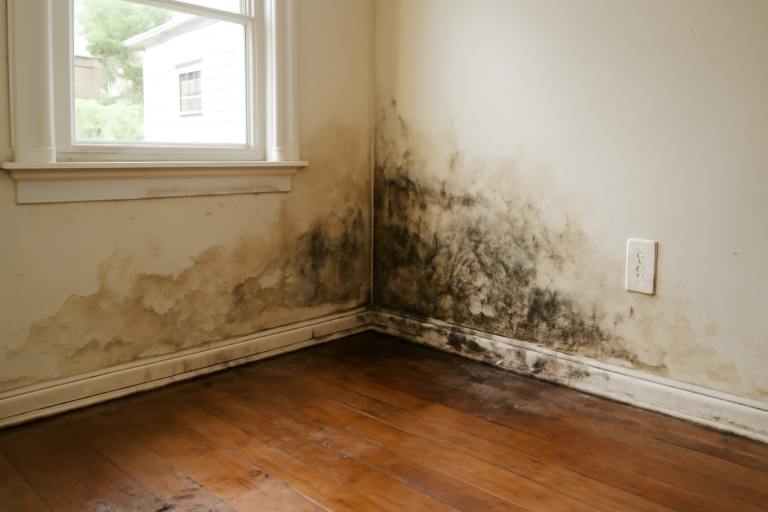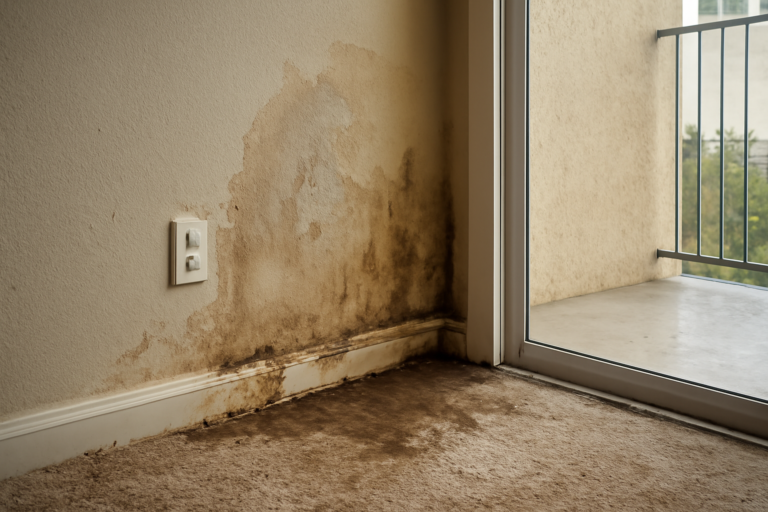
Trusted by 170+ Homeowners
Tile Floor Water Extraction in Macon, GA
- Over 189 5-Star Reviews
- Free Estimates and Quotes
- 100% Satisfaction Guaranteed
- Child, Family & Pet Safe Steps
- 24-Hour Emergency Service
- Fully Licensed & Insured
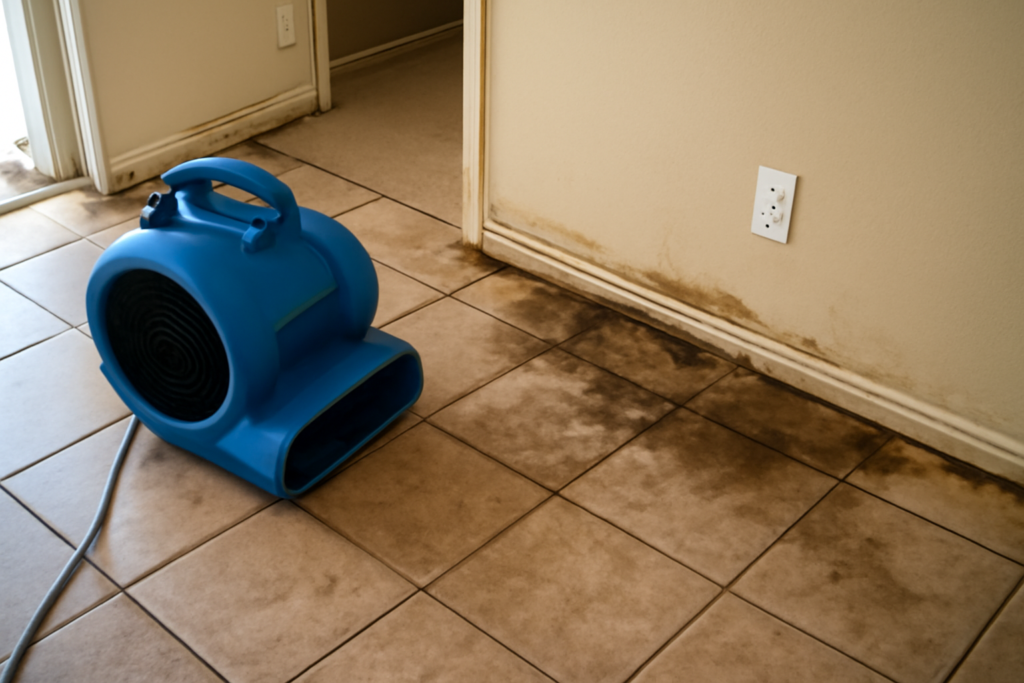
Don’t Let Water Damage Ruin Your Tile Floors Forever in Macon, GA
You’re probably already stressing about the water damage to your tile floors. It’s not just about the aesthetic; it’s about the health risks, structural integrity, and added repair costs if you wait too long. Our team is here to reassure you that prompt action can make all the difference. We’ve helped over 165 homeowners in the area restore their tile floors to their former glory, and we can do the same for you.
- Get your tile floors dried within 60 minutes to prevent mold growth.
- Prevent structural damage to your walls and foundation.
- Save thousands of dollars in repair costs by acting quickly.
How Our Team Works Its Magic for Tile Floor Water Extraction in Macon, GA
Our process for tile floor water extraction is designed to be fast, efficient, and effective. We understand that water damage is not just a cosmetic issue; it’s a health risk and a structural threat. That’s why our team is trained to assess the situation, extract the water, and dry the floors within a short timeframe. Our equipment includes heavy-duty water extraction machines, air movers, and dehumidifiers to ensure your tile floors are dry and safe within 3-5 days.
Step 1: Assess the Damage
Our team arrives within 60 minutes to assess the situation and identify the source of the water damage. We’ll take note of the affected area, the type of tile, and the amount of water present. This step is crucial in determining the best course of action and ensuring our equipment is suitable for the job.
Step 2: Extract the Water
Using our heavy-duty water extraction machines, we’ll remove as much water as possible from the affected area. We’ll also use specialized equipment to remove any standing water, which can lead to mold growth and further damage.
Step 3: Dry the Floors
Once the water is extracted, we’ll use air movers and dehumidifiers to dry the floors. This step is crucial in preventing mold growth and structural damage. We’ll also use specialized equipment to dry the tile, grout, and subfloor to ensure a safe and dry environment.
Step 4: Clean and Sanitize
After the floors are dry, we’ll clean and sanitize the area to prevent any remaining bacteria or contaminants from spreading. This step is essential in maintaining a healthy environment and preventing future issues.
Step 5: Inspect and Repair
Finally, we’ll inspect the area to ensure it’s safe and dry. If any repairs are needed, we’ll make them to prevent further damage and ensure your tile floors are restored to their former glory.
Don’t wait any longer to get your tile floors restored. Call us today to schedule an on-site assessment and let us take care of the rest. Get your tile floors dried within 60 minutes. Prevent mold growth and structural damage. Save thousands of dollars in repair costs.
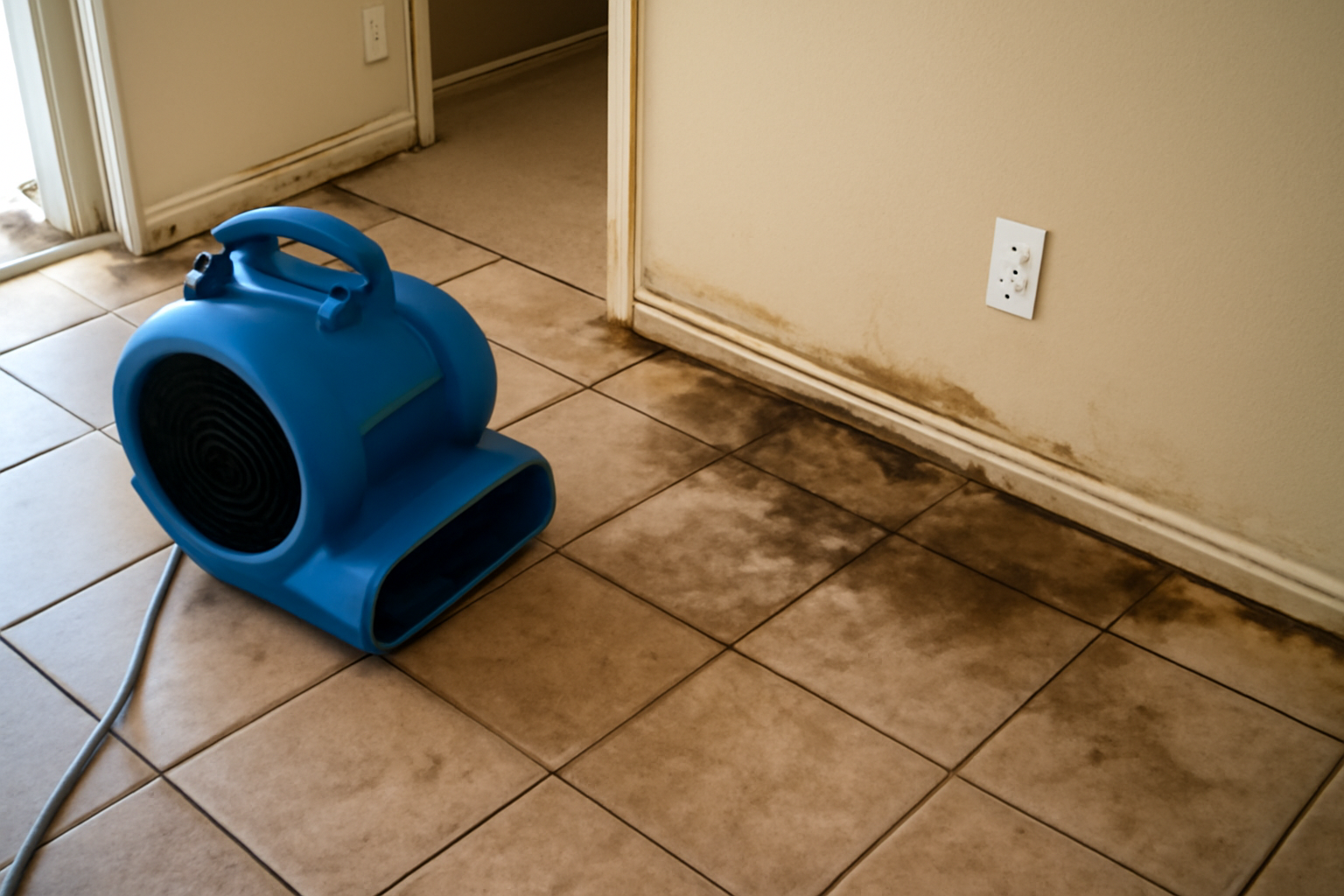
Warning Signs You Need Tile Floor Water Extraction in Macon, GA
Ignoring the warning signs of water damage can lead to costly repairs and health risks. That’s why it’s essential to recognize the signs early on and take action quickly. Here are some common warning signs that show you need tile floor water extraction:
Musty Odors That Won’t Go Away
Musty odors are a clear indication of mold growth, which can spread quickly and cause further damage. If you notice a musty smell in your home, especially in areas where water has been present, it’s essential to take action quickly.
Water Stains on Your Ceiling or Walls
Water stains on your ceiling or walls can be a sign of a larger issue, such as a leaky pipe or a roof leak. If you notice water stains, it’s crucial to investigate the source and take action quickly to prevent further damage.
Warped or Buckled Flooring
Warped or buckled flooring can be a sign of water damage, especially if the flooring is made of wood or laminate. If you notice your flooring is warped or buckled, it’s essential to take action quickly to prevent further damage.
Peeling Paint or Drywall
Peeling paint or drywall can be a sign of water damage, especially if the paint or drywall is near a water source. If you notice peeling paint or drywall, it’s crucial to investigate the source and take action quickly to prevent further damage.
Soft or Spongy Flooring
Soft or spongy flooring can be a sign of water damage, especially if the flooring is made of wood or laminate. If you notice your flooring is soft or spongy, it’s essential to take action quickly to prevent further damage.
Water Damage to Your Electrical Outlets
Water damage to your electrical outlets can be a serious safety hazard. If you notice water damage to your electrical outlets, it’s crucial to take action quickly to prevent further damage and ensure your safety.
Tile Floor Water Extraction vs. DIY: When to Call a Professional
| Situation | DIY? | Call a Pro? | Why |
|---|---|---|---|
| Small water spill on a ceramic tile floor | Yes | No | DIY with a wet vacuum and some towels. No need for a professional. |
| Larger water spill on a laminate floor | No | Yes | Call a professional to extract the water and dry the floor to prevent further damage. |
| Water damage to a wood floor | No | Yes | Call a professional to assess and repair the damage to prevent further damage and ensure a safe and healthy environment. |
| Water damage to a subfloor | No | Yes | Call a professional to assess and repair the damage to prevent further damage and ensure a safe and healthy environment. |
| Water damage to electrical outlets | No | Yes | Call a professional to assess and repair the damage to prevent further damage and ensure your safety. |
| Water damage to a large area | No | Yes | Call a professional to assess and repair the damage to prevent further damage and ensure a safe and healthy environment. |
While DIY might seem like a cost-effective solution, it’s essential to remember that water damage is a complex issue that needs specialized knowledge and equipment to resolve correctly. If you’re unsure about the extent of the damage or how to handle it, it’s always best to call a professional.
Tile Floor Water Extraction Cost in Macon, GA
The cost of tile floor water extraction in Macon, GA, can vary depending on the severity of the damage, the size of the affected area, and local conditions. On average, the cost can range from $500 to $2,500. Here’s a breakdown of the typical price range for each aspect of the service:
| Service | Typical Price Range | What Affects Cost |
|---|---|---|
| Water extraction | $500-$1,500 | Size of affected area, type of flooring, and local conditions. |
| Drying and dehumidification | $1,000-$2,000 | Size of affected area, type of flooring, and local conditions. |
| Cleaning and sanitizing | $500-$1,000 | Size of affected area, type of flooring, and local conditions. |
| Inspection and repair | $1,000-$2,500 | Severity of damage, size of affected area, and local conditions. |
| Equipment rental | $500-$1,000 | Size of affected area, type of flooring, and local conditions. |
| Travel and labor costs | $500-$1,000 | Location, distance, and time of day. |
Keep in mind that these estimates are subject to change based on the specific circumstances of your case. A free on-site assessment will provide a more accurate quote.
Service Areas Near Macon, GA
We serve the following nearby communities: Warner Robins, Houston County, Peach County, Bibb County, Jones County, Monroe County, and Butts County.
Common Questions About Tile Floor Water Extraction
Is water damage to a tile floor covered by my homeowner’s insurance?
Yes, water damage to a tile floor may be covered by your homeowner’s insurance, but it depends on the circumstances of the damage and your policy specifics. Contact your insurance provider to find out the extent of your coverage.
How long does it take to dry a tile floor after a water spill?
The drying time for a tile floor after a water spill can vary depending on the size of the affected area, the type of flooring, and the ambient temperature and humidity. But, with our specialized equipment, we can typically dry a tile floor within 3-5 days.
Can I use a wet vacuum to extract water from a tile floor?
Yes, you can use a wet vacuum to extract water from a tile floor, but it’s essential to use a wet/dry vacuum specifically designed for this purpose. Do not use a standard vacuum cleaner, as it can damage the flooring and push the water further into the subfloor.
How do I prevent water damage to a tile floor?
Preventing water damage to a tile floor needs regular maintenance, including inspecting your plumbing, checking for leaks, and ensuring proper drainage around your home. You should also clean up spills quickly and address any water-related issues quickly.
Is tile floor water extraction a complex process?
Tile floor water extraction can be a complex process, especially if the damage is extensive or the flooring is made of a sensitive material. It’s essential to call a professional to assess and repair the damage to prevent further damage and ensure a safe and healthy environment.
Check Our Other Relevant Services
Serving Macon, GA And Nearby Areas