Woodbury, GA · Meriwether County
Tile Floor Water Damage Restoration in Woodbury, GAWater Under Tile Flooring Removal & Tile Floor Water Extraction
Tile Floor Water Damage Restoration in Woodbury starts with tile floor water extraction, wet tile floor cleanup, and tile floor water damage repair.
Answered 24/7
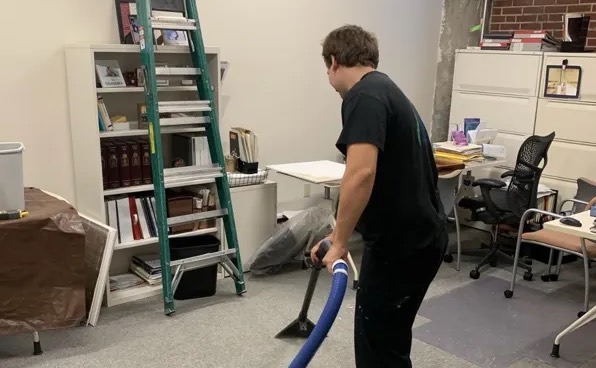
Professional Tile Floor Water Damage Restoration in Woodbury, GA
Tile floor moisture issues in Woodbury often stem from appliance failures or plumbing leaks. Untreated, this can ruin the tile installation, damage the subfloor, and require a full, costly replacement of the flooring system.
Tile floor water damage restoration is a common need for properties in Woodbury and nearby areas like Molena, Manchester and Concord. Water leaks or spills can quickly affect tile surfaces and the underlying structure.
Key Tile Floor Water Damage Restoration Services Offered in Woodbury
Water Under Tile Flooring Removal
When water migrates under the tile surface, standard extraction isn't enough. Experts assess the situation and use methods like vacuum mat systems to draw moisture up through the grout lines.
Tile Floor Water Extraction
Extraction clears visible water from the floor. This initial step prepares the tile area for the drying phase.
Flooded Tile Floor Restoration
Restoring a flooded tile floor involves addressing both surface and subsurface damage. Specialists work methodically to mitigate loss, dry all materials, and execute necessary repairs.
Tile Floor Drying Services
Following water removal, air movers and dehumidifiers are deployed. This drying phase addresses moisture held in grout and underlayment materials.
Tile Floor Water Damage Repair
Tile repair involves matching materials to achieve a consistent appearance. Sourcing compatible tiles and grout color is part of this process.
Signs of Water Damage Needing Tile Floor Water Damage Restoration
Tiles Are Loose or Shifting
Tiles that rock underfoot or come loose have lost their bond, usually because water got under them.
Increased Humidity in the Room
A noticeable spike in room humidity, often near a tiled area, suggests evaporating moisture from a hidden leak. This warrants a professional tile floor water damage inspection.
A Musty Odor Persists
A persistent earthy or musty smell from your tile floor suggests hidden moisture and potential mold growth underneath. This odor calls for a tile floor moisture inspection.
Mold Spots on Grout Lines
Black, green or gray specks along grout lines are mold, which means moisture is staying in the floor.
How Tile Floor Water Damage Restoration Works in Woodbury
Step 1: Initial Damage Assessment
The Tile Floor Water Damage Restoration process starts with a detailed assessment to determine the source, extent, and category of water affecting the tile floor and subfloor.
Step 2: Water Removal and Cleanup
All standing water is extracted, followed by wet tile floor cleanup of debris and contaminants.
Step 3: Structural Drying Phase
Specialized drying equipment creates airflow and controls humidity to methodically remove moisture from the tile installation system and prevent warping.
Step 4: Verification and Final Repair
Final moisture readings verify dryness. Any compromised tiles are then addressed with matching replacements, completing the flooded tile floor restoration.
Common Causes of Water Damage to Tile Floors in Woodbury
Appliance Leaks and Malfunctions
Dishwashers, washing machines, water heaters, and refrigerators with ice makers can leak slowly, saturating the subfloor beneath adjacent tile flooring over time.
HVAC Condensation Issues
A malfunctioning air conditioner or uninsulated condensation drain line can drip constant moisture onto a tile floor, creating a hidden, chronic dampness issue.
Overflowing Sinks or Tubs
An overflowing bathroom sink, shower, or bathtub can send large volumes of water across a tile floor, seeping into grout and underneath the tiles.
Pet Water Bowl Spills
Repeated spills from a pet's water bowl, especially on unsealed tile or grout, can allow water to penetrate and cause localized tile floor water damage.
Both Residential & Commercial Tile Floor Water Damage Restoration in Woodbury
Residential Tile Floor Water Damage Restoration
Homeowners face tile floor water damage from appliance leaks, toilet overflows, and plumbing failures. The restoration process involves careful tile floor moisture inspection to map the damage, followed by targeted drying to save the installation.
Commercial Tile Floor Water Damage Restoration
Restaurants, gyms and clinics need tile floors dried quickly. Local water damage restoration pros use commercial equipment to pull moisture from under the tile so the space can reopen.
Professional Tile Floor Water Damage Restoration or DIY Cleanup in Woodbury
After a minor spill, open windows and run fans to dry the tile surface. Moisture in the grout and subfloor needs water damage restoration pros with industrial dehumidifiers.
Factors Affecting Tile Floor Water Damage Restoration Cost in Woodbury
Price depends on the drying time, how hard the water is to extract and the size of the affected area.
Subfloor Condition
Removing water under tile flooring and assessing the subfloor for damage can add steps to the repair process.
Mold Prevention Needs
If tile floor moisture issues present a mold risk, additional antimicrobial treatments may be part of the restoration cost.
Tile and Grout Type
Specialized materials like porous stone or intricate grout can complicate the tile floor water damage repair procedure.
Does Insurance Cover Tile Floor Water Damage Restoration?
Tile floor mold prevention costs may be covered if the mold results from a water loss event included in your policy. Pros provide documentation linking the moisture issue to the initial damage.
The Value of Local Pros for Tile Floor Water Damage Restoration
Mold Prevention Focus
Addressing humidity quickly is part of tile floor mold prevention to safeguard your indoor air quality.
Structural Integrity Consideration
The subfloor is checked before tile repairs, so new tile goes down on a sound base.
Detailed Damage Documentation
Pros document the tile floor water damage inspection with readings and photos for your personal records.
24/7 Tile Floor Water Damage Restoration Help in Woodbury
Wet tile floor emergency? Call local pros at (478) 779-1453 day or night. Starting drying quickly limits repairs to the subfloor.
Call Now (478) 779-1453Tile Floor Water Damage Restoration Service Area Including Woodbury
The places below are also served, and each one has its own page.
- Tile Floor Water Damage Restoration in Molena
- Tile Floor Water Damage Restoration in Manchester
- Tile Floor Water Damage Restoration in Concord
- Tile Floor Water Damage Restoration in Zebulon
- Tile Floor Water Damage Restoration in Thomaston
- Tile Floor Water Damage Restoration in Williamson
- Tile Floor Water Damage Restoration in Talbotton
- Tile Floor Water Damage Restoration in Yatesville
- Emergency Damage Restoration in 30293
- Storm Damage Restoration in 30293
- Water Damage Restoration in 30293
- Water Extraction Service in 30293
- Water Leak Detection in 30293
- Water Removal Service in 30293
Tile Floor Water Damage Restoration Common Questions Answered
What tools are used for tile floor water damage inspection?
Inspections utilize tools like moisture meters, hygrometers, thermal imaging cameras, and sometimes borescopes to accurately assess both visible and concealed water damage within the flooring assembly.
What causes tile floor moisture issues?
Common causes include appliance leaks like from dishwashers, plumbing failures such as burst pipes, overflow incidents from sinks or tubs, or groundwater intrusion through cracks in the foundation.
What is flooded tile floor restoration?
It covers extraction, structural drying, sanitizing and any repairs to the tile and the floor beneath it after a major water event.
Why is quick action critical for tile floor water damage?
A start to extraction and drying minimizes absorption, limits damage to the subfloor, and drastically reduces the risk of mold development.
How is a tile floor moisture inspection conducted?
Pros use non-invasive moisture meters and thermal imaging to detect hidden dampness in the tile, grout, and the underlying substrate.