Jackson, GA · Butts County
Tile Floor Water Damage Restoration in Jackson, GATile Floor Mold Prevention & Tile Floor Drying Services
Tile Floor Water Damage Restoration in Jackson covers tile floor water extraction, tile floor water damage repair and tile floor mold prevention.
Answered 24/7
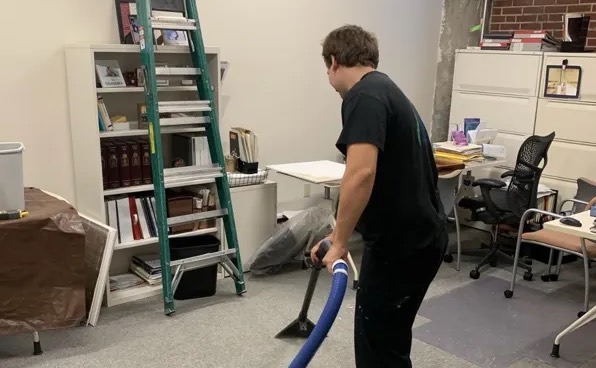
Tile Floor Water Damage Restoration Experts Serving Jackson, Georgia
Tile floors in Jackson are durable, but water exposure can compromise grout and subflooring. Prompt tile floor water damage restoration prevents costly long-term repairs and maintains a home's integrity by addressing hidden moisture and potential mold growth.
Tile floor water damage restoration is a common need for properties in Jackson and nearby areas like Orchard Hill, Juliette and Monticello. Water leaks or spills can quickly affect tile surfaces and the underlying structure.
Key Tile Floor Water Damage Restoration Services Offered in Jackson
Tile Floor Mold Prevention
Preventing mold growth requires thorough drying of the entire tile assembly. Appropriate treatments are then applied to tile and grout surfaces.
Tile Floor Drying Services
Incomplete drying leads to long-term problems like mold and floor failure. Professionals implement a structured drying plan using commercial-grade equipment to circulate air and remove humidity.
Tile Floor Moisture Inspection
Before any work begins, a thorough inspection defines the project scope. Pros document moisture levels, photograph the damage, and create a report.
Water Under Tile Flooring Removal
Pros use injection drying through grout lines or lift select tiles to reach and dry the subfloor, so the repair lasts.
Tile Floor Water Damage Repair
Not every water-damaged tile needs replacing. Pros can often repair the grout and re-secure loose tiles, which saves time and money.
Warning Signs You Need Tile Floor Water Damage Restoration
Increased Humidity in the Room
A noticeable spike in room humidity, often near a tiled area, suggests evaporating moisture from a hidden leak. This warrants a professional tile floor water damage inspection.
Efflorescence on Tile Surface
A white, powdery residue on tiles is efflorescence, a mineral deposit left by evaporating water. It signals previous moisture issues that need addressing.
Tiles Are Loose or Shifting
Tiles that rock underfoot or come loose have lost their bond, usually because water got under them.
Grout Crumbling Away
Grout that cracks, crumbles or falls out between tiles often means water is getting underneath.
How Tile Floor Water Damage Restoration Works in Jackson
Step 1: First Call and Inspection
Local tile floor water removal experts inspect the water damaged tile floors to understand the scope and begin documentation for insurance purposes.
Step 2: Gross Water Extraction
The bulk of the water is extracted from the tile surface and any pooling areas, mitigating immediate damage and preparing for in-depth drying.
Step 3: Comprehensive Drying Cycle
A full drying system runs for the necessary duration to pull moisture from the porous grout, tiles, and underlying layers, preventing long-term damage.
Step 4: Evaluation for Necessary Repairs
Once dry, the installation is evaluated to determine if tile floor water damage repair is needed to restore the floor's stability and appearance.
Typical Sources of Tile Floor Water Damage
Overflowing Sinks or Tubs
An overflowing bathroom sink, shower, or bathtub can send large volumes of water across a tile floor, seeping into grout and underneath the tiles.
Pet Water Bowl Spills
Repeated spills from a pet's water bowl, especially on unsealed tile or grout, can allow water to penetrate and cause localized tile floor water damage.
HVAC Condensation Issues
A malfunctioning air conditioner or uninsulated condensation drain line can drip constant moisture onto a tile floor, creating a hidden, chronic dampness issue.
Plumbing Pipe Leaks
A leaking supply line, drain pipe, or fitting beneath a tile floor can release a steady flow of water, leading to widespread tile floor water damage.
Home and Business Tile Floor Water Damage Restoration in Jackson
Residential Tile Floor Water Damage Restoration
Homeowners face tile floor water damage from appliance leaks, toilet overflows, and plumbing failures. The restoration process involves careful tile floor moisture inspection to map the damage, followed by targeted drying to save the installation.
Commercial Tile Floor Water Damage Restoration
Restaurants, gyms and clinics need tile floors dried quickly. The experts use commercial equipment to pull moisture from under the tile so the space can reopen.
The Risks of DIY Tile Floor Water Damage Restoration
Clean the tile with a mild detergent and avoid harsh chemicals that can damage grout. If you notice a musty odor or mold on grout, stop and call pros.
What Influences Tile Floor Water Damage Restoration Pricing in Jackson
The experts assess critical factors like moisture levels, the size of the affected area, and the required cleanup scope to determine an accurate restoration price for the project.
Emergency Service Timing
A 24/7 response for flooded tile floor restoration may involve different service rates compared to scheduled appointments.
Subfloor Condition
Removing water under tile flooring and assessing the subfloor for damage can add steps to the repair process.
Mold Prevention Needs
If tile floor moisture issues present a mold risk, additional antimicrobial treatments may be part of the restoration cost.
Does Insurance Cover Tile Floor Water Damage Restoration?
Flooded tile floor restoration might be covered under certain policy endorsements or separate flood insurance. The experts document all moisture inspection findings.
Reasons to Hire Local Experts for Tile Floor Water Damage Restoration in Jackson
Mold Prevention Focus
Addressing humidity quickly is part of tile floor mold prevention to safeguard your indoor air quality.
Structural Integrity Consideration
The subfloor is checked before tile repairs, so new tile goes down on a sound base.
Detailed Damage Documentation
Pros document the tile floor water damage inspection with readings and photos for your personal records.
Emergency Tile Floor Water Damage Restoration Response for Jackson
Wet tile floor emergency? Call local pros at (478) 779-1453 day or night. Starting drying quickly limits repairs to the subfloor.
Call Now (478) 779-1453Local Tile Floor Water Damage Restoration Areas Around Jackson
Flooded tile floor restoration requires specialized attention for properties in Jackson. The pros offer their services in Jackson and nearby including Orchard Hill, Juliette and Monticello.
- Tile Floor Water Damage Restoration in Orchard Hill
- Tile Floor Water Damage Restoration in Juliette
- Tile Floor Water Damage Restoration in Monticello
- Tile Floor Water Damage Restoration in Griffin
- Tile Floor Water Damage Restoration in Forsyth
- Tile Floor Water Damage Restoration in Milner
- Tile Floor Water Damage Restoration in Barnesville
- Tile Floor Water Damage Restoration in Smarr
- Emergency Damage Restoration in 30233
- Storm Damage Restoration in 30233
- Water Damage Restoration in 30233
- Water Extraction Service in 30233
- Water Leak Detection in 30233
- Water Removal Service in 30233
Tile Floor Water Damage Restoration FAQ for Jackson Residents
How long does the tile floor water damage process take?
Drying typically takes 2-5 days, but the full timeline depends on the extent of damage, materials, and environmental conditions in the home.
How do pros find water under tile flooring?
Non-penetrating moisture meters detect elevated moisture levels without damaging the tile, while thermal imaging cameras can reveal temperature differences that often indicate trapped water below.
How is water under tile flooring removed?
To remove water under tile flooring, strategic access points may be created or specialized systems used to direct airflow and dehumidification beneath the tile surface for effective drying.
What are tile floor drying services?
These services use industrial air movers and dehumidifiers in a calculated layout to evaporate and remove moisture from the tile assembly.
What causes tile floor moisture issues?
Common causes include appliance leaks like from dishwashers, plumbing failures such as burst pipes, overflow incidents from sinks or tubs, or groundwater intrusion through cracks in the foundation.