Dry Branch, GA · Bibb County
Tile Floor Water Damage Restoration in Dry Branch, GAWater Under Tile Flooring Removal & Flooded Tile Floor Restoration
Tile Floor Water Damage Restoration in Dry Branch covers tile floor water extraction, tile floor water damage repair and tile floor mold prevention.
Answered 24/7
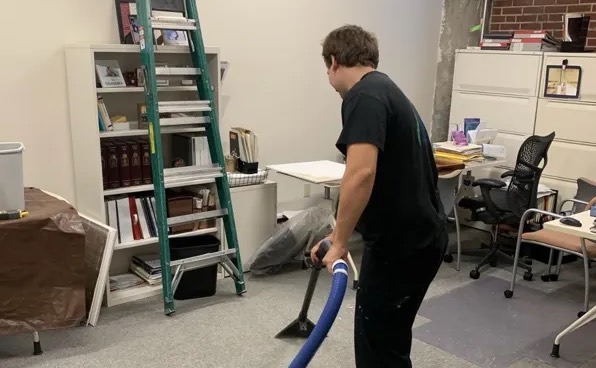
Tile Floor Water Damage Restoration Response in Dry Branch, GA
In properties across Dry Branch, tile floors are common in kitchens and bathrooms where leaks occur. Wet tile floor cleanup must be thorough to avoid lingering dampness, odor, and the deterioration of the subfloor materials.
Across Dry Branch and nearby places like Franklinton, Griswoldville and Huber, water damaged tile floors need expert care to restore their appearance and function. The tile floor water damage cost can escalate if moisture isn't fully removed.
Comprehensive Tile Floor Water Damage Restoration for Dry Branch
Water Under Tile Flooring Removal
Pros use injection drying through grout lines or lift select tiles to reach and dry the subfloor, so the repair lasts.
Flooded Tile Floor Restoration
When a flood covers tile floors in Dry Branch, local pros extract the water, dry, clean and disinfect the floor, then repair what was damaged.
Tile Floor Mold Prevention
Pros sanitize the tile and grout and dry the area fully, so a leak today does not turn into a mold problem later.
Tile Floor Water Damage Repair
Repair work can include regrouting or replacing damaged tiles. Local pros assess the floor to determine what specific fixes are needed.
Tile Floor Water Extraction
Extraction clears visible water from the floor. This initial step prepares the tile area for the drying phase.
Warning Signs You Need Tile Floor Water Damage Restoration
Baseboards Swelling Nearby
Swollen or discolored baseboards adjacent to a tile floor often trace water migration from underneath. This is a secondary indicator of a serious moisture problem.
Mold Spots on Grout Lines
Black, green or gray specks along grout lines are mold, which means moisture is staying in the floor.
Squeaking Sounds When Walking
Squeaks or creaks from a tile floor when walked upon can mean the underlayment is compromised by water. This is a subtle sign of water damage.
Tiles Are Loose or Shifting
Tiles that rock underfoot or come loose have lost their bond, usually because water got under them.
How Tile Floor Water Damage Restoration Works in Dry Branch
Step 1: Containment and Extraction
To prevent cross-contamination, the work area is isolated. Then, focused tile floor water extraction removes all liquid water from the surface and crevices.
Step 2: Deep Moisture Detection
Pros use moisture sensors to find water under the tile that you cannot see.
Step 3: Targeted Drying Strategy
Air movers and dehumidifiers are set up in a layout planned for the affected floor.
Step 4: Antimicrobial Application
To support tile floor mold prevention, EPA-registered antimicrobial agents are applied to the subfloor and grout lines where moisture was present.
Sources of Water Damage for Tile Floor Water Damage Restoration
Plumbing Pipe Leaks
A leaking supply line, drain pipe, or fitting beneath a tile floor can release a steady flow of water, leading to widespread tile floor water damage.
Overflowing Sinks or Tubs
An overflowing bathroom sink, shower, or bathtub can send large volumes of water across a tile floor, seeping into grout and underneath the tiles.
Toilet Overflows and Seal Failures
A clogged toilet or a failed wax ring seal lets water spill onto the bathroom floor and seep under the tile.
Slab Foundation Moisture Wicking
In homes on slab foundations, ground moisture can wick up through the concrete and into the tile installation, causing persistent tile floor moisture issues.
Both Residential & Commercial Tile Floor Water Damage Restoration in Dry Branch
Residential Tile Floor Water Damage Restoration
In homes, tile floor water damage often occurs in kitchens, bathrooms, laundry rooms, and entryways. Local floor drying specialists focus on preserving the flooring's appearance and integrity while protecting the home's structure from subfloor rot and mold.
Commercial Tile Floor Water Damage Restoration
For businesses, water damaged tile floors in lobbies, restrooms, kitchens, and retail spaces present safety and image concerns. The specialists in Dry Branch prioritize discreet restoration to minimize downtime.
Professional Tile Floor Water Damage Restoration or DIY Cleanup in Dry Branch
You can mop or wet-vac standing water off the tile. After a toilet overflow, appliance leak or flood, call the specialists to remove water from under the tile.
Cost Considerations for Tile Floor Water Damage Restoration in Dry Branch
Price depends on the drying time, how hard the water is to extract and the size of the affected area.
Water Source Category
Clean water from a supply line is simpler to address than contaminated flood water, affecting the tile floor cleanup process.
Drying Time Required
Prolonged tile floor drying services to reach safe moisture levels add to operational hours and the overall service cost.
Access and Obstructions
Furniture removal and confined spaces can extend the timeline for tile floor water extraction and impact pricing.
Does Insurance Cover Tile Floor Water Damage Restoration?
For water under tile flooring removal, coverage depends on if the cause is a covered peril. The pros in Dry Branch record moisture levels and the extraction process for your claim file.
Reasons to Hire Floor Drying Specialists for Tile Floor Water Damage Restoration in Dry Branch
Thorough Water Extraction
Powerful equipment removes standing water and moisture from grout lines during the wet tile floor cleanup phase.
Clear Process Communication
You receive straightforward explanations of each step, from initial assessment through the final moisture verification.
IICRC-Standard Methods
The specialists use industry-standard procedures for tile floor water extraction and drying to promote effective damage control.
Emergency Tile Floor Water Damage Restoration Response for Dry Branch
Flooded tile floor restoration starts with an emergency call to (478) 779-1453. The pros are available around the clock to initiate the water extraction process.
Call Now (478) 779-1453Tile Floor Water Damage Restoration Service Area Including Dry Branch
For tile floor water damage repair in Dry Branch and surrounding communities, the pros are ready to assist. Service extends to areas including Franklinton, Griswoldville and Huber.
- Tile Floor Water Damage Restoration in Franklinton
- Tile Floor Water Damage Restoration in Griswoldville
- Tile Floor Water Damage Restoration in Huber
- Tile Floor Water Damage Restoration in Macon
- Tile Floor Water Damage Restoration in Rutland
- Tile Floor Water Damage Restoration in Jeffersonville
- Tile Floor Water Damage Restoration in Avondale
- Tile Floor Water Damage Restoration in Sofkee
- Emergency Damage Restoration in 31020
- Storm Damage Restoration in 31020
- Water Damage Restoration in 31020
- Water Extraction Service in 31020
- Water Leak Detection in 31020
- Water Removal Service in 31020
Tile Floor Water Damage Restoration Common Questions Answered
What does tile floor water damage repair involve?
Repair can range from re-sealing grout and re-adhering tiles to replacing sections of damaged subfloor, depending on the inspection findings.
What is tile floor mold prevention after water damage?
It involves rapid drying to remove the moisture mold needs, along with applying EPA-registered antimicrobials to affected areas during restoration.
What causes tile floor moisture issues?
Common causes include appliance leaks like from dishwashers, plumbing failures such as burst pipes, overflow incidents from sinks or tubs, or groundwater intrusion through cracks in the foundation.
Why is quick action critical for tile floor water damage?
A start to extraction and drying minimizes absorption, limits damage to the subfloor, and drastically reduces the risk of mold development.
What affects tile floor water damage cost the most?
Primary cost factors are the size of the affected area, the depth and duration of saturation, and the complexity of the required drying setup.