Ashburn, GA · Turner County
Tile Floor Water Damage Restoration in Ashburn, GATile Floor Moisture Inspection & Tile Floor Water Extraction
Tile Floor Water Damage Restoration in Ashburn starts with tile floor water extraction, wet tile floor cleanup, and tile floor water damage repair.
Answered 24/7
Local Tile Floor Water Damage Restoration Services for Ashburn Homes
Tile floors in Ashburn are durable, but water exposure can compromise grout and subflooring. Prompt tile floor water damage restoration prevents costly long-term repairs and maintains a home's integrity by addressing hidden moisture and potential mold growth.
Across Ashburn and nearby places like Arabi, Rebecca and Pitts, water damaged tile floors need expert care to restore their appearance and function. The tile floor water damage cost can escalate if moisture isn't fully removed.
Comprehensive Tile Floor Water Damage Restoration for Ashburn
Tile Floor Moisture Inspection
Hidden moisture is the primary enemy of tile floors. Experts conduct a systematic inspection to detect water in the subfloor and behind walls adjacent to the wet tile.
Tile Floor Water Extraction
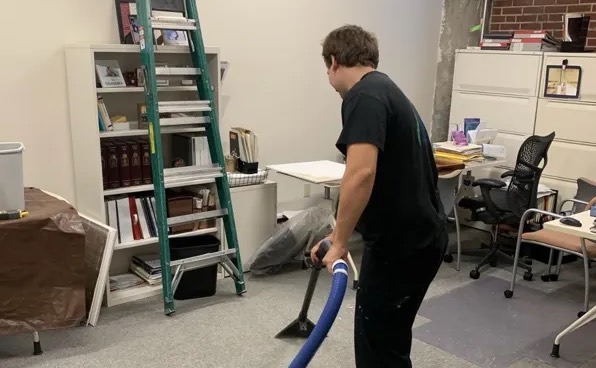
Bulk water removal from tile surfaces and grout lines prevents seepage into subflooring. Powerful extraction equipment is used for this initial step.
Flooded Tile Floor Restoration
From the initial emergency call to the final walkthrough, flooded tile floor restoration is a complete solution.
Wet Tile Floor Cleanup
Cleanup involves removing debris and sanitizing tile and grout. This eliminates contaminants from the water for any Ashburn residence.
Tile Floor Water Damage Repair
Tile repair involves matching materials to achieve a consistent appearance. Sourcing compatible tiles and grout color is part of this process.
Indicators for Tile Floor Water Damage Restoration in Ashburn
Warping or Buckling Sections
Tiles that lift, warp or buckle usually sit on a soaked subfloor.
Efflorescence on Tile Surface
A white, powdery residue on tiles is efflorescence, a mineral deposit left by evaporating water. It signals previous moisture issues that need addressing.
Baseboards Swelling Nearby
Swollen or discolored baseboards adjacent to a tile floor often trace water migration from underneath. This is a secondary indicator of a serious moisture problem.
Tile Floor Discoloration
Water damaged tile floors often show dark spots or light patches where moisture has altered the surface. This discoloration is a clear warning sign of ongoing moisture issues.
How Tile Floor Water Damage Restoration Works in Ashburn
Step 1: First Call and Inspection
Local water damage restoration pros inspect the water damaged tile floors to understand the scope and begin documentation for insurance purposes.
Step 2: Gross Water Extraction
The bulk of the water is extracted from the tile surface and any pooling areas, mitigating immediate damage and preparing for in-depth drying.
Step 3: Comprehensive Drying Cycle
A full drying system runs for the necessary duration to pull moisture from the porous grout, tiles, and underlying layers, preventing long-term damage.
Step 4: Evaluation for Necessary Repairs
Once dry, the installation is evaluated to determine if tile floor water damage repair is needed to restore the floor's stability and appearance.
Sources of Water Damage for Tile Floor Water Damage Restoration
Overflowing Sinks or Tubs
An overflowing bathroom sink, shower, or bathtub can send large volumes of water across a tile floor, seeping into grout and underneath the tiles.
Plumbing Pipe Leaks
A leaking supply line, drain pipe, or fitting beneath a tile floor can release a steady flow of water, leading to widespread tile floor water damage.
Slab Foundation Moisture Wicking
In homes on slab foundations, ground moisture can wick up through the concrete and into the tile installation, causing persistent tile floor moisture issues.
Improper Initial Tile Installation
Tile installed without a proper moisture barrier or waterproof underlayment is vulnerable to water intrusion from above, leading to premature failure.
Both Residential & Commercial Tile Floor Water Damage Restoration in Ashburn
Residential Tile Floor Water Damage Restoration
At home, pros decide whether tiles can be saved or must be replaced, and blend new tile and grout with the old.
Commercial Tile Floor Water Damage Restoration
In commercial settings, tile floor mold prevention is critical after a water event to protect employee and customer health. Local water damage restoration pros follow industry-standard methods for antimicrobial treatment and ensure the subsurface is fully dry to prevent future mold in the business property.
The Risks of DIY Tile Floor Water Damage Restoration
You can mop or wet-vac standing water off the tile. After a toilet overflow, appliance leak or flood, call the pros to remove water from under the tile.
Cost Considerations for Tile Floor Water Damage Restoration in Ashburn
Cost depends on how much water is under the tile, whether mold prevention is needed and whether the subfloor needs repair.
Tile and Grout Type
Specialized materials like porous stone or intricate grout can complicate the tile floor water damage repair procedure.
Water Source Category
Clean water from a supply line is simpler to address than contaminated flood water, affecting the tile floor cleanup process.
Access and Obstructions
Furniture removal and confined spaces can extend the timeline for tile floor water extraction and impact pricing.
Does Insurance Cover Tile Floor Water Damage Restoration?
Coverage for tile floor water damage restoration depends entirely on your policy's cause-of-loss provisions and specific limits. Local pros document all damage with photos and moisture readings for your claim submission.
Benefits of Local Pros for Tile Floor Water Damage Restoration in Ashburn
Clear Process Communication
You receive straightforward explanations of each step, from initial assessment through the final moisture verification.
Thorough Water Extraction
Powerful equipment removes standing water and moisture from grout lines during the wet tile floor cleanup phase.
IICRC-Standard Methods
The pros use industry-standard procedures for tile floor water extraction and drying to promote effective damage control.
24/7 Tile Floor Water Damage Restoration Help in Ashburn
Wet tile floor emergency? Call local pros at (478) 779-1453 day or night. Starting drying quickly limits repairs to the subfloor.
Call Now (478) 779-1453Tile Floor Water Damage Restoration Service Area Including Ashburn
Other places served are listed below, each with its own page.
- Tile Floor Water Damage Restoration in Arabi
- Tile Floor Water Damage Restoration in Rebecca
- Tile Floor Water Damage Restoration in Pitts
- Tile Floor Water Damage Restoration in Cordele
- Tile Floor Water Damage Restoration in Rochelle
- Tile Floor Water Damage Restoration in Cobb
- Tile Floor Water Damage Restoration in Desoto
- Tile Floor Water Damage Restoration in Abbeville
- Emergency Damage Restoration in 31714
- Storm Damage Restoration in 31714
- Water Damage Restoration in 31714
- Water Extraction Service in 31714
- Water Leak Detection in 31714
- Water Removal Service in 31714
Tile Floor Water Damage Restoration FAQs
What is flooded tile floor restoration?
It covers extraction, structural drying, sanitizing and any repairs to the tile and the floor beneath it after a major water event.
How is water under tile flooring removed?
To remove water under tile flooring, strategic access points may be created or specialized systems used to direct airflow and dehumidification beneath the tile surface for effective drying.
Why is quick action critical for tile floor water damage?
A start to extraction and drying minimizes absorption, limits damage to the subfloor, and drastically reduces the risk of mold development.
What is tile floor water damage restoration?
It is the professional process of extracting water, thoroughly drying the tile and subfloor, and repairing damage to restore your floor after a water incident.
What causes tile floor moisture issues?
Common causes include appliance leaks like from dishwashers, plumbing failures such as burst pipes, overflow incidents from sinks or tubs, or groundwater intrusion through cracks in the foundation.