Gray, GA · Jones County
Temperature-Controlled Drying in Gray, GAHumidity Control For Restoration & Moisture Mapping
Temperature-Controlled Drying in Gray by local temperature-controlled drying specialists includes thermal drying for water damage, climate-controlled drying systems, and rapid structural drying services.
Answered 24/7
Expert Temperature-Controlled Drying Services in Gray, Georgia
In Gray, materials dry at different rates. Local pros map moisture content so each material gets the drying it needs.
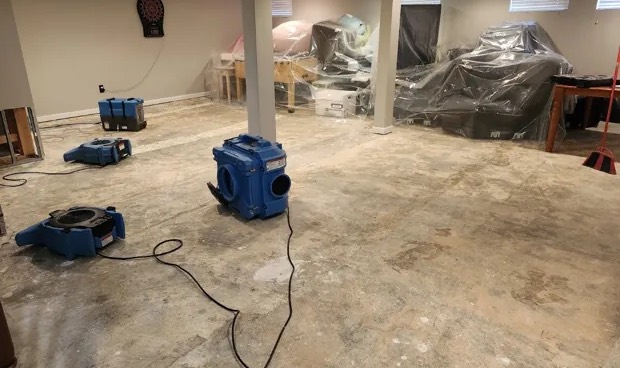
In Gray and nearby Haddock, Griswoldville and Macon, fast structural drying stops mold before it starts. Local pros map moisture, then use LGR dehumidifiers and planned air mover placement until readings are normal.
Specialized Temperature-Controlled Drying Offerings in Gray, GA
Humidity Control for Restoration
Local temperature-controlled drying specialists keep humidity low in properties in Gray, so water evaporates from materials instead of soaking back in.
Moisture Mapping
Moisture mapping uses penetrating and non-penetrating meters to document water migration. This creates a blueprint of wet areas, including hidden moisture behind walls.
Air Mover Placement for Drying
Expert deployment of air movers displaces the saturated air layer clinging to wet materials. Proper placement helps ensure every surface receives directed airflow, the engine of evaporation.
Rapid Structural Drying Services
Rapid drying protocols focus on core materials providing a building's strength. The pros implement these methods for wood, concrete, and steel.
Climate-Controlled Drying Systems
The specialists set up systems that control temperature, humidity and airflow together, adjusting them as moisture readings change.
Indicators for Temperature-Controlled Drying in Gray Properties
Warping of Wood Floors or Trim
Floorboards begin to cup, buckle, or separate at the seams. This warping is a direct result of excessive, uneven moisture content.
Visible Mold Growth in Corners
Black, green or white specks in damp corners or on baseboards are usually mold, which means moisture has been there a while.
Equipment Running With No Result
Fans or dehumidifiers that run for days without drying the area mean the moisture is deeper than household equipment can reach.
Damp Odors Persisting After Water
A musty smell lingers even after visible water is gone, indicating hidden moisture. That odor often signals mold or trapped dampness.
How Temperature-Controlled Drying Works in Gray
Step 1: Establishing the Drying Environment
The first step involves preparing the area by removing debris and setting up containment if needed.
Step 2: Implementing the Drying Array
Air movers and dehumidifiers are paired in a planned layout to dry walls and floors.
Step 3: Executing Temperature-Controlled Drying
The system executes temperature-controlled drying, maintaining ideal conditions to draw moisture out of materials.
Step 4: Final Verification and Documentation
Final verification compares moisture readings in affected materials to known dry standards in the home.
Typical Reasons for Drying Needs in Gray
Sprinkler System Activation
A fire sprinkler discharges, releasing a large volume of water quickly. This event saturates entire areas and requires precise air mover placement and strategy.
Roof Leak During Heavy Rain
Wind-driven rain through a damaged roof or flashing can run down inside wall cavities, where it needs targeted drying.
Foundation Cracks and Seepage
Hydrostatic pressure forces groundwater through cracks in the foundation wall. This seepage creates a constant dampness that challenges standard drying technology.
Overflowing Sinks or Bathtubs
A simple blockage or forgetfulness leads to an overflow event. Water spreads quickly, soaking cabinetry and flooring, and requires thorough drying equipment deployment.
Residential and Commercial Drying in Gray, GA
Residential Temperature-Controlled Drying
In condos and apartments, containment barriers and negative air machines keep moisture from moving into neighboring units while drying runs.
Commercial Temperature-Controlled Drying
Restaurants and food service businesses need rapid, sanitary drying to comply with health regulations after a water event. The pros use specialized equipment and antimicrobial treatments during the drying process.
Professional Temperature-Controlled Drying vs. Do-It-Yourself in Gray
For a small, recent water spill, use towels to blot surface water and improve air circulation with fans. If water soaks into porous materials like drywall or carpet padding, contact the experts.
Understanding Temperature-Controlled Drying Cost in Gray
In Gray, the cost depends on how much drying equipment is used and how long it runs, plus the moisture readings taken along the way.
Drying Time Required
Longer drying periods for climate-controlled systems mean more equipment runtime and monitoring, impacting the overall cost of the restoration project.
Structural Material Types
Porous materials like concrete or dense wood require more aggressive drying strategies and extended monitoring, influencing the project timeline and cost.
Moisture Mapping Complexity
Checking moisture in layered floors or hidden cavities takes more time and equipment.
Does Insurance Cover Temperature-Controlled Drying?
Many homeowner policies cover temperature-controlled drying when it stems from a sudden, covered peril like a burst pipe. The specialists document all damage with photos and moisture readings for your claim submission.
Advantages of Hiring Local Specialists in Gray for Temperature-Controlled Drying
IICRC-Standard Drying Methods
Drying follows industry guidelines and is checked with meters, which keeps framing and floors from staying wet.
Ongoing Moisture Monitoring
Regular checks with moisture meters verify that drying goals are met, helping ensure no residual dampness remains within walls or floors.
Strategic Equipment Deployment
Air movers and dehumidifiers are placed according to a plan for even airflow and low humidity.
24/7 Temperature-Controlled Drying for Emergencies in Gray
Don't let moisture settle in. For emergency deployment of drying equipment and strategic air mover placement to start controlled drying, reach the specialists directly at (478) 779-1453, available 24/7.
Call Now (478) 779-1453Local Temperature-Controlled Drying Coverage for Gray, Haddock, Griswoldville and Macon
Controlled drying with detailed drying logs is available in Gray, and near Haddock, Griswoldville and Macon.
- Temperature-Controlled Drying in Haddock
- Temperature-Controlled Drying in Griswoldville
- Temperature-Controlled Drying in Macon
- Temperature-Controlled Drying in Hillsboro
- Temperature-Controlled Drying in Franklinton
- Temperature-Controlled Drying in Bolingbroke
- Temperature-Controlled Drying in Gordon
- Temperature-Controlled Drying in Juliette
- Emergency Damage Restoration in 31032
- Storm Damage Restoration in 31032
- Water Damage Restoration in 31032
- Water Extraction Service in 31032
- Water Leak Detection in 31032
- Water Removal Service in 31032
Frequently Asked Questions About Temperature-Controlled Drying
What is the difference between air movers and dehumidifiers?
Air movers evaporate moisture from surfaces into the air, and dehumidifiers pull it back out of the air.
What is the strategy behind air mover placement?
They are angled to move air across wet surfaces in a pattern, so moisture evaporates into the air where dehumidifiers can capture it.
How is drying progress verified during moisture monitoring?
Progress is verified by taking comparative moisture readings with penetrating and non-penetrating meters over time, ensuring levels drop to established dry standards for each material.
What happens if hidden moisture is not found during mapping?
Undetected moisture can lead to ongoing deterioration, odor issues, and mold growth inside walls or under floors, underscoring the critical need for thorough initial assessment.
How does humidity control aid in restoration?
Drier air pulls water out of wet materials faster, so lowering humidity speeds up drying.