Warner Robins, GA · Houston County
Structural Drying & Dehumidification in Warner Robins, GAEmergency Flood Drying & Ceiling Cavity Drying
Structural Drying & Dehumidification in Warner Robins covers crawl space dehumidification, emergency flood drying and concrete slab drying.
Answered 24/7
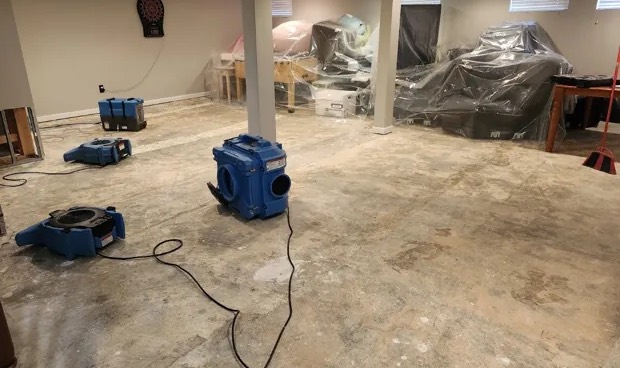
Expert Structural Drying & Dehumidification in Warner Robins, Georgia
Timely drying in Warner Robins prevents staining, swelling and lasting damage. Crawl spaces and concrete slabs hold water longer than other areas, so they need professional equipment.
Drying service in Warner Robins and nearby Centerville, Bonaire and Avondale covers crawl spaces and the areas under hardwood floors, where dampness causes decay and odors. Residents can request drying for one room or a whole building.
Structural Drying & Dehumidification Methods Used in Warner Robins
Emergency Flood Drying
Powerful dehumidification and air movement keep severe flooding from weakening the structure.
Ceiling Cavity Drying
Water above a ceiling soaks insulation and framing, and pros dry it before the ceiling gives way.
Crawl Space Dehumidification
Excess crawl space moisture causes wood decay and draws pests, so pros set up systems to keep it dry.
Subfloor Moisture Extraction
Pros dry water trapped under finished flooring to prevent rot and protect the floor structure.
Concrete Slab Drying
Pros draw water out of saturated slabs with specialized systems so new flooring adhesive does not fail later.
Indicators for Structural Drying & Dehumidification in Warner Robins
Condensation on Windows
Constant condensation on windows points to high indoor humidity, often from a damp crawl space.
Expanded or Swollen Wood
Swollen door frames or cabinets show that wood has absorbed water and needs drying.
Cold and Damp Concrete Floors
A concrete floor that stays cold and damp is pulling moisture up from below.
Soft or Crumbling Drywall
Drywall that feels soft or crumbles has absorbed a lot of water and may need removal.
How Structural Drying & Dehumidification Works in Warner Robins
Step 1: Emergency Drying Response
Pros assess how far the water spread and choose which areas to dry first to limit further damage.
Step 2: High-Efficiency Moisture Extraction
Extraction equipment pulls water out of soaked subfloors and wall cavities before drying starts.
Step 3: Targeted Structural Drying Process
Air movers and dehumidifiers create steady drying conditions for concrete slabs and hardwood floors.
Step 4: Final Drying Validation
Moisture readings confirm every material is dry before the equipment is removed and repairs begin.
Sources of Moisture Requiring Dehumidification Services in Warner Robins
Roof Leaks During Storms
Wind-driven rain or damaged shingles let water into the attic and ceiling cavities.
Plumbing Leaks or Bursts
A broken pipe or leaking fixture can soak walls and floors in a short time.
Construction Defects or Leaks
Faulty flashing or poorly installed windows let water in slowly, where it stays hidden.
Foundation Cracks and Seepage
Cracks in the foundation or slab let groundwater in, wetting concrete and basement walls.
Residential and Commercial Structural Drying & Dehumidification in Warner Robins
Residential Structural Drying & Dehumidification
Crawl space and subfloor drying protect a home's foundation and air, and pros record moisture readings for your claim.
Commercial Structural Drying & Dehumidification
Commercial drying covers complex building systems, with photos and moisture readings provided for your business and insurance records.
Professional Structural Drying & Dehumidification or DIY in Warner Robins
For minor spills, wipe up surface water with towels and mops. If water has soaked into drywall, flooring or subfloors, call local drying pros to dry the hidden moisture.
Cost Considerations for Structural Drying & Dehumidification in Warner Robins
The size of the wet area, hidden moisture in wall cavities and the type of water involved all affect pricing.
Water Category and Source
Clean water from a supply line is simpler to handle than contaminated floodwater.
Extent of Saturation
A soaked subfloor takes longer to dry and needs more powerful dehumidifiers.
Required Drying Duration
Each day of equipment use and monitoring visits adds to the final invoice.
Does Insurance Cover Structural Drying & Dehumidification?
After a flood, your insurer looks at the cause and extent of the damage to decide coverage. Do not assume a service is covered; pros provide the records insurers need.
Why Choose Local Pros for Structural Drying & Dehumidification in Warner Robins
Advanced Moisture Detection
Meters and sensors map moisture in walls and subfloors so drying targets the wet areas.
Moisture Remediation Focus
The goal is full drying of hidden materials, not just removing the visible water.
Targeted Crawl Space Dehumidification
Crawl spaces with standing water or high humidity get equipment suited to tight areas.
Round-the-Clock Structural Drying & Dehumidification in Warner Robins, GA
Do not let water sit, since materials start to swell and rot within days. For 24/7 dehumidification in Warner Robins, call (478) 779-1453 to reach local drying specialists.
Call Now (478) 779-1453Structural Drying & Dehumidification Service Area Including Warner Robins
Drying and dehumidification are available for properties in Warner Robins and nearby communities like Centerville, Bonaire and Avondale.
Structural Drying & Dehumidification Information FAQs
Why does quick action matter for water damage drying?
Materials absorb water soon after a leak starts, so quick action limits the wet area and shortens repairs.
How is moisture extraction measured and verified?
Moisture meters check materials and air, and drying is complete when readings meet dry standards for each material.
What are the signs that hardwood floor drying is needed?
Cupping, crowning, dark stains or a spongy feel. Drying can often save the boards.
What areas of a home need moisture remediation after a leak?
Wet floors and walls, plus hidden spaces like wall cavities, subfloors, ceilings and under cabinets.
What is wet wall cavity drying?
Small openings or injection systems push dry air inside the wall to dry studs and insulation that fans cannot reach.