Rutland, GA · Bibb County
Standing Water Removal in Rutland, GAStanding Water Sanitization & Water Heater Leak Cleanup
Critical standing water removal in Rutland includes basement standing water removal, crawl space water extraction, and garage flood water cleanup.
Answered 24/7
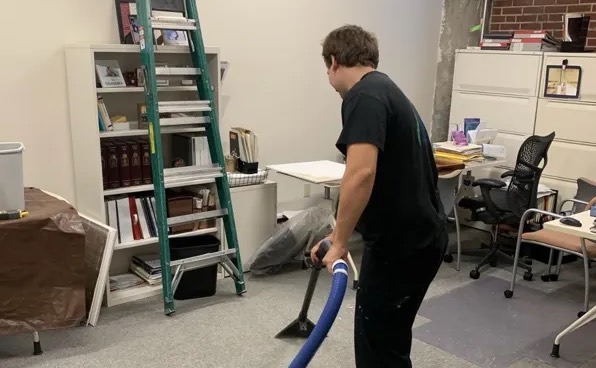
Local Standing Water Removal Services in Rutland
In Rutland, removing standing water quickly prevents warped wood and electrical hazards. Local water removal pros pump out the water, then dry and sanitize.
In Rutland, stagnant water is an electrical and health hazard. Local pros remove water from basements and crawl spaces around the Rutland area, such as Sofkee, Walden and Avondale.
Standing Water Removal and Water Extraction in Rutland
Standing Water Sanitization
Flood water is often contaminated. After it is removed, pros apply EPA-registered antimicrobial agents to the surfaces it touched.
Water Heater Leak Cleanup
A water heater that leaks or bursts can leave standing water across a garage, closet or utility room in Rutland. The water is removed and the area dried.
Commercial Property Water Removal
Standing water in a commercial property can halt operations and damage inventory. The pros are equipped to handle large-scale extraction from retail spaces, offices, and warehouses.
Garage Flood Water Cleanup
Flooding risks vehicles and stored items. Experts remove standing water and debris, then dry porous materials like cardboard and wood shelving.
Sump Pump Failure Cleanup
Immediate removal prevents foundation damage after a pump fails. Experts pump out water and assess saturation for the drying process.
Signs You Need Emergency Standing Water Removal in Rutland
Crawl Space Moisture
High humidity or water in your crawl space damages the wood framing and can lead to mold.
Mold or Mildew Growth
Mold or mildew patches mean water has been sitting somewhere for days.
Damp Carpet or Flooring
Carpets or floors that stay damp for hours after a leak mean water is trapped below the surface.
Persistent Musty Odors
A musty smell that lingers often means water is sitting somewhere hidden, such as under flooring or in a crawl space.
How Standing Water Removal Works in Rutland
Step 1: Initial Inspection and Containment
The pros inspect the extent and type of water. They may contain the area to limit moisture spread before beginning the standing water cleanup process.
Step 2: Bulk Water Removal Process
Submersible pumps and extractors are used for bulk water removal. This step rapidly lowers water levels, whether for basement water removal or commercial spaces.
Step 3: Targeted Moisture Extraction
Specialized tools extract moisture from materials like concrete, wood, and drywall. This precise water extraction prevents hidden dampness that leads to long-term damage.
Step 4: Verification Drying and Documentation
Pros confirm dryness with moisture meters and document conditions for your insurer.
Leading Causes of Water Damage in Rutland
Plumbing System Leaks
Broken pipes, faulty fittings and cracked supply lines release water nonstop until the valve is shut.
HVAC System Condensation
Clogged condensate lines from air handlers or furnaces can overflow and leave water pooled on the floor around the unit.
Foundation Cracks and Seepage
Hairline cracks in the foundation or basement walls let groundwater seep in.
Natural Groundwater Rise
Groundwater that rises after heavy rain can seep into crawl spaces and pool under the house.
Standing Water Removal for Homes and Businesses in Rutland
Residential Standing Water Removal
At home, pros clean up garage floods after storms and sanitize finished basements. They extract the water and dry the space to protect the structure and the air.
Commercial Standing Water Removal
In commercial settings, standing water can disrupt operations in gyms, medical offices, or schools. The pros execute a systematic flooded area cleanup, using specialized equipment for concrete drying and content restoration to resume normal activities.
When to Choose Standing Water Removal Pros Over DIY in Rutland
For a tiny, clear water puddle from a tipped glass, simple cleanup suffices. For any water from appliances, toilets, drains, or storms, assume contamination and call for standing water sanitization.
Investing in Professional Standing Water Removal in Rutland
In Georgia, multiple affected floors or tight spaces like a crawl space raise the cost of cleanup and drying.
Material Composition
Drywall and carpet hold moisture longer than concrete and often need special drying techniques or removal.
Required Sanitization
If bacteria is suspected, the standing water sanitization step adds antimicrobial treatments to the experts' protocol.
Affected Area Size
The total square footage needing standing water extraction directly influences the time and equipment required, from a laundry room to a full basement.
Does Insurance Cover Standing Water Removal?
Business policies vary widely in water damage coverage, and the insurer decides based on the cause. Pros document the loss for your records.
Why Hire Local Pros in Rutland for Standing Water Removal
IICRC-Standard Drying Methods
Pros follow proven drying protocols for structures and contents, which prevents secondary damage after the water is gone.
Comprehensive Sanitization Options
When needed, antimicrobial treatments are applied to affected surfaces after water removal to address potential hygiene concerns from contaminated standing water.
Containment & Air Filtration
Containing the work area and filtering the air controls cross-contamination and airborne particles during the standing water cleanup and drying process.
Round-the-Clock Standing Water Removal in Rutland, GA
For commercial water removal after business hours, call (478) 779-1453 at any hour. Quick action helps limit business interruption and protect stock and equipment.
Call Now (478) 779-1453Standing Water Removal in Rutland and Other Areas Served
Other places served are listed below, each with its own page.
Common Standing Water Removal Questions Answered
How quickly should standing water extraction begin after a flood?
To prevent severe water damage and mold growth, extraction should start within 24 to 48 hours.
What is the goal of water damage restoration after extraction?
The aim is a dry, clean, stable property, with damaged materials restored where possible.
What are the risks of delaying standing water cleanup?
Delays increase risks of structural weakening, mold growth within 24-48 hours, permanent staining, warping of materials, and attracting pests to the damp, organic-rich environment.
What happens during commercial property water removal?
The scale is larger, using high-capacity extractors and many drying units. The process minimizes business interruption and addresses specific materials common in commercial settings during water extraction.
Why is sump pump failure cleanup considered an emergency?
A failed sump pump can allow groundwater to rapidly flood a basement. Sump pump failure cleanup requires water removal to prevent structural damage and potential electrical hazards.