Ellaville, GA · Schley County
Standing Water Extraction in Ellaville, GAFlooded Room Drying & Post-Flood Sanitization
In Ellaville, Standing Water Extraction consists of post-flood sanitization, basement standing water removal and flooded room drying.
Answered 24/7
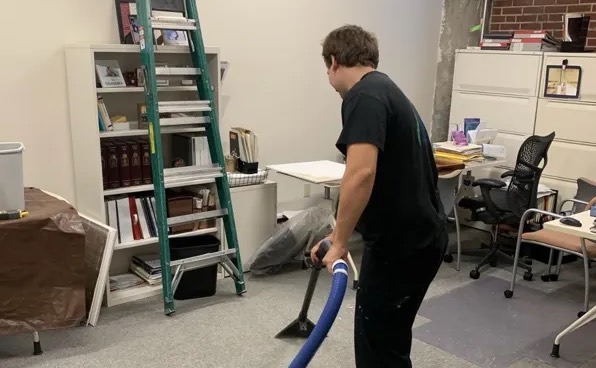
Standing Water Extraction Experts Serving Ellaville
In Ellaville, standing water lets bacteria grow and can make people sick. Removal and sanitizing make the space safe to live in again.
Businesses in Ellaville, Andersonville, Ideal and Americus lose money while water sits on the floor. Local standing water removal experts bring high-capacity pumps and dryers to remove it after roof or plumbing leaks.
Complete Standing Water Extraction Services in Ellaville
Flooded Room Drying
Flooded room drying starts with powerful extractors removing all surface water. Pros then deploy air movers and dehumidifiers to dry floors, walls, and furnishings, preventing warping.
Post-Flood Sanitization
Final sanitization is a key phase following water removal. The experts perform this cleaning to address microorganisms that may have been introduced by the floodwater, an essential process for a truly restored and healthy indoor environment.
Crawl Space Water Extraction
Standing water trapped in a crawl space requires technical removal. The process involves extracting the water and then applying focused dehumidification to address the unique dampness challenges presented by the enclosed space beneath the house.
Basement Standing Water Removal
When water pools in your basement, extraction is non-negotiable. The process utilizes high-capacity equipment to eliminate standing water, then systematically dries the area to prevent concrete degradation and mold colonization within the home's lower level.
Groundwater Flood Extraction
Groundwater from heavy rain or soaked soil can seep into lower rooms. Submersible pumps remove large volumes, and moisture meters confirm the floor and walls are dry.
When to Call for Standing Water Extraction in Ellaville
Appliance Leak Pooling
Water pooling around a water heater, washer or dishwasher means the appliance or its hose is leaking.
Carpets Saturated and Heavy
Heavy, soggy carpet is holding water. Extracting it fast may save the carpet and pad.
Groundwater in Utility Room
Water in a mechanical room threatens the water heater, furnace and wiring.
Visible Water in Basement
Puddles or soaked floors in the basement point to groundwater seeping in or a plumbing failure.
How Standing Water Extraction Works in Ellaville
Step 1: On-Scene Flood Damage Evaluation
The experts classify the water category, map the affected zones, and plan the sequence for emergency flood cleanup.
Step 2: Standing Water Removal
The primary remove standing water action uses extractors to pull water from carpets, pads, and hard floor surfaces throughout the property.
Step 3: Controlled Environment Drying
Dehumidifiers keep humidity down while materials dry, which helps prevent mold and odor.
Step 4: Antimicrobial Application
As a preventative measure, approved antimicrobial agents are applied to damp surfaces during the post-flood sanitization step.
Frequent Sources of Water Damage
Plumbing System Failures
Burst pipes, leaking fittings and failed supply hoses can release large volumes of water fast.
Foundation Cracks and Seepage
Hairline cracks in concrete foundations let groundwater seep into the basement, especially after heavy rain.
Roof Leaks and Gutter Failures
Damaged roofing or blocked gutters send water inside the walls, where it collects unseen.
Sewer or Sump Pump Backup
A clogged sewer line or failed sump pump lets water back up into basements.
Standing Water Extraction for All Property Types in Ellaville
Residential Standing Water Extraction
A flood at home ruins carpets, furniture and drywall. The pros find the source, remove the water from the basement or crawl space and start drying.
Commercial Standing Water Extraction
Offices, stores and warehouses need water gone fast. Pros use truck-mounted pumps for large areas and document the damage for your business insurance claim.
Standing Water Extraction vs. DIY: When to Call Local Experts
After a small leak, open windows and run fans if the weather allows, and clear floor drains you can reach. Water under flooring or in walls needs professional extraction.
Pricing for Standing Water Extraction Services
The pros assess the situation to provide an estimate. Factors include the depth of standing water, the number of rooms flooded, and the materials like carpet or hardwood that require drying.
Documentation for Insurance
Detailed photo and moisture documentation for your claim file adds a professional service layer that is part of the process.
Materials Affected
Porous materials like drywall and carpet hold more water and often must be removed, which adds to the job.
Location Accessibility
Hard-to-reach areas like crawl spaces or basements can complicate equipment setup and extraction, potentially increasing the time and effort required.
Does Insurance Cover Standing Water Extraction?
Coverage varies. Most standard homeowners policies exclude flooding from outside water, and some water sources need separate coverage. Check with your insurer.
Why Professional Standing Water Extraction Matters
Direct Communication
You receive clear explanations of the standing water removal process and the findings from the initial assessment of your property.
IICRC-Standard Extraction Methods
Pros follow industry drying standards to remove water fully, which helps prevent mold and secondary damage.
Post-Extraction Sanitization
After water removal, affected surfaces are cleaned and treated to address potential mold, a key step in flood damage cleanup.
24/7 Standing Water Extraction When You Need It
When you discover standing water in your basement or crawl space, act fast. Contact the pros at (478) 779-1453 for emergency service.
Call Now (478) 779-1453Where Standing Water Extraction is Provided
Residential and commercial water removal is available throughout Ellaville. From basement floods to appliance leaks, local pros help in Ellaville, Andersonville, Ideal and Americus, plus other nearby communities.
- Standing Water Extraction in Andersonville
- Standing Water Extraction in Ideal
- Standing Water Extraction in Americus
- Standing Water Extraction in Oglethorpe
- Standing Water Extraction in Montezuma
- Standing Water Extraction in Butler
- Standing Water Extraction in Leslie
- Standing Water Extraction in Reynolds
- Emergency Damage Restoration in 31806
- Storm Damage Restoration in 31806
- Water Damage Restoration in 31806
- Water Extraction Service in 31806
- Water Leak Detection in 31806
- Water Removal Service in 31806
FAQs About Professional Water Extraction
Is post-flood sanitization always necessary?
Post-flood sanitization is recommended after most flooding events, especially if the water was contaminated, to disinfect surfaces and inhibit mold after drying is complete.
What is the process for standing water extraction?
The process begins with an assessment and water removal using powerful pumps. Then, industrial air movers and dehumidifiers dry the area, followed by moisture monitoring to confirm it's dry.
What is included in commercial water removal?
Commercial water removal involves large-scale extraction, protecting inventory and equipment, strategic drying to minimize business interruption, and detailed documentation for property management.
How long does groundwater flood extraction take?
Groundwater flood extraction time varies by volume and area. The pumping itself may take hours, but the complete drying process often takes several days of monitored effort.
What equipment is used for flooded room drying?
Flooded room drying uses industrial air movers to circulate air, dehumidifiers to remove moisture from it, and moisture meters to track the drying progress of walls and floors.