Butler, GA · Taylor County
Septic Tank Backup Water Removal in Butler, GASeptic Backup Odor Removal & Septic Overflow Decontamination
Septic Tank Backup Water Removal in Butler is a specialized task to protect a home from sewage, involving septic tank backup water extraction, septic backup odor removal and septic system water damage repair.
Answered 24/7
Septic Tank Backup Water Removal Specialists Serving Butler
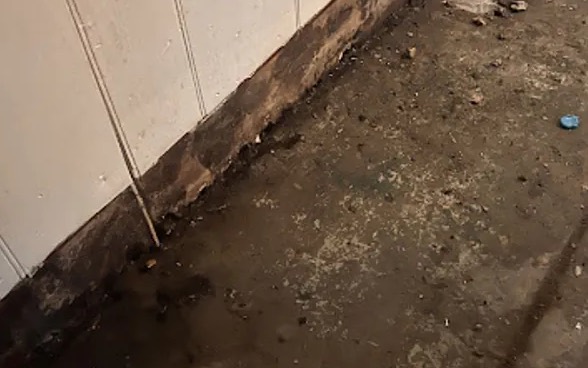
Septic system overflow water removal in Butler protects your investment by preventing secondary damage like mold and wood rot. The standing sewage water can warp cabinets, ruin insulation and stain concrete.
Septic tank backup water removal services in Butler are vital for homes that rely on septic systems, which can fail due to blockages or heavy use. Properties in nearby areas like Reynolds, Junction City and Ideal also face similar risks from septic overflows.
Complete Septic Tank Backup Water Removal Solutions in Butler
Septic Backup Odor Removal
Odor removal after a septic backup in Butler targets the source of the smell within porous materials and the air.
Septic Overflow Decontamination
Decontamination after a septic overflow in Butler uses antimicrobial treatments to address pathogens on surfaces and in the air.
Emergency Septic Backup Response
For a septic backup emergency, local restoration pros respond day or night to start the extraction and cleanup process.
Septic Tank Backup Water Extraction
Thorough septic backup water extraction is a priority for the pros in Butler to protect your home's foundation and air quality. The process targets all standing water before advanced drying begins.
Septic Backup Flood Water Removal
The first priority is removing standing water from a septic system failure. In Butler, extraction experts handle sewage-contaminated fluids.
Signs of Septic Tank Trouble in Butler
Foul Odors Near the Drain Field
Persistent sewage smells around your yard or near plumbing fixtures signal a potential septic system overflow. These odors often worsen after water use.
Water Backs Up in Lowest Fixtures
Sewage or water appearing in a basement shower or floor drain is a classic sign of septic tank backup water removal being urgently needed.
Overflow From Septic Tank Lid Area
Visible effluent or wet soil around the septic tank access lid is a clear sign the tank is full and septic system water removal is required.
Sewage Backup in Bathtub or Shower
Wastewater surfacing in tubs or showers, particularly on lower floors, is a dire warning of a main line septic backup cleanup emergency.
How Septic Tank Backup Water Removal Works in Butler
Step 1: Septic Overflow Response
Local pros respond day or night and assess how far the septic water has spread.
Step 2: Septic System Water Removal
Extraction equipment removes the contaminated liquid quickly and limits the health hazard.
Step 3: Comprehensive Sewage Cleanup
Sanitizing and odor removal follow, so the space is fully decontaminated before drying.
Step 4: Repair and Documentation
The damage is documented for your insurer, and repairs address any structural harm from the backup.
Reasons for Sewage Backup in Butler
Excessive Water Usage Overloading System
Too much water entering the tank at once can overwhelm it and send sewage back into the home.
Compacted Soil Over the Drain Field
Heavy vehicles or structures parked above the leach field prevent proper drainage. This compaction causes backups.
Broken or Misaligned Sewer Pipes
Settling soil, age or pressure can break the main line from the house to the tank.
Improper Tank or System Design
A tank or drain field that is too small for the household leads to repeated backups.
Septic Tank Backup Water Removal for Homes and Businesses in Butler
Residential Septic Tank Backup Water Removal
Residential septic tank flooding often damages finished basements, bathrooms, and laundry rooms. The pros focus on extracting contaminated water, removing ruined materials like drywall and carpet, and implementing drying protocols to prevent secondary mold growth from the moisture.
Commercial Septic Tank Backup Water Removal
Commercial properties like restaurants or retail stores face severe sanitation violations from a septic overflow. The pros secure the area, extract wastewater, and perform aggressive odor removal and sanitization to allow for a thorough, compliant reopening.
Septic Tank Backup Water Removal vs. DIY: When to Call Local Pros
Ventilate the area by opening windows if it's safe to do so, but avoid using household fans which can aerosolize contaminants. You can move uncontaminated belongings from the affected area.
What Influences Septic Tank Backup Water Removal Pricing in Butler
The more complicated the backup, such as sewage under flooring or in several rooms, the more labor the cleanup takes.
Odor Removal Needs
Persistent septic backup odors often need advanced air scrubbing and sealing techniques, which require additional equipment and time to address effectively.
Decontamination Procedures
Thorough septic overflow decontamination involves specialized antimicrobial agents and cleaning processes, which contribute to the overall material and labor costs.
Structural Repairs
Any necessary septic system water damage repair, such as replacing subflooring or wall structures, is a separate line item in the restoration process.
Does Insurance Cover Septic Tank Backup Water Removal?
Whether insurance covers septic backup sewage cleanup depends on your policy's language regarding sewer or septic line backups. Some policies require a specific rider or endorsement for this type of water damage.
Selecting Local Pros for Septic Tank Backup Water Removal in Butler
Advanced Water Extraction
Powerful pumps and truck-mounted units are used for rapid septic tank water extraction, removing the bulk of the contaminated liquid quickly.
IICRC-Standard Decontamination
Septic overflow decontamination follows industry protocols to neutralize harmful pathogens and bacteria, making the affected area safe again.
Thorough Drain Backup Cleanup
The process addresses the septic tank drain backup completely, cleaning the affected plumbing fixtures and surrounding areas.
Urgent Septic Tank Backup Water Removal Response in Butler
Sewage from a septic backup needs to be cleaned up quickly. Stop using water in the house and call (478) 779-1453.
Call Now (478) 779-1453Local Septic Tank Backup Water Removal for Reynolds, Junction City and Ideal
The pros work in Butler to handle urgent septic tank drain backup situations. Their coverage area includes nearby places such as Reynolds, Junction City and Ideal for on-site assistance.
- Septic Tank Backup Water Removal in Reynolds
- Septic Tank Backup Water Removal in Junction City
- Septic Tank Backup Water Removal in Ideal
- Septic Tank Backup Water Removal in Roberta
- Septic Tank Backup Water Removal in Geneva
- Septic Tank Backup Water Removal in Marshallville
- Septic Tank Backup Water Removal in Talbotton
- Septic Tank Backup Water Removal in Fort Valley
- Emergency Damage Restoration in 31006
- Storm Damage Restoration in 31006
- Water Damage Restoration in 31006
- Water Extraction Service in 31006
- Water Leak Detection in 31006
- Water Removal Service in 31006
Septic Tank Backup Water Removal FAQs
How long does septic tank overflow cleanup take?
The timeline varies with the severity. Simple extraction and cleaning may take a day, while jobs involving structural repairs and detailed decontamination can span several days.
What areas need septic line backup water removal?
Any area where sewage has surfaced, usually bathrooms, basements or utility rooms near drain lines.
How do pros document septic system water damage?
They use moisture meters, thermal imaging cameras, and photography to map affected areas, creating a detailed report for your records and potential insurance claim submission.
Is residential septic backup cleanup a DIY job?
No. Sewage exposure is a serious biohazard risk. Professional septic backup cleanup specialists have the training, equipment, and protective gear to handle contamination safely and effectively.
What is septic tank backup water removal?
It is safely extracting contaminated water from a failed septic system, then cleaning and decontaminating the affected rooms.