Geneva, GA · Talbot County
Residential Water Removal in Geneva, GAStructural Drying Services & Wet Carpet Drying
Expert Residential Water Removal in Geneva, including broken pipe water cleanup, water damage restoration process, and moisture inspection.
Answered 24/7
Local Residential Water Removal Experts Serving Geneva
In the Geneva area, removing water quickly keeps framing from weakening and mold from starting. Restoration pros map moisture to track drying progress.
Residential water removal in Geneva deals with problems like basement flooding or plumbing leaks that can hit any home. The pros serve properties here and in nearby communities like Junction City, Talbotton and Butler.
Detailed Residential Water Removal for Geneva Homes
Structural Drying Services
Structural drying targets wood framing, concrete and drywall. Air movers and dehumidifiers pull the moisture out until readings are normal.
Wet Carpet Drying
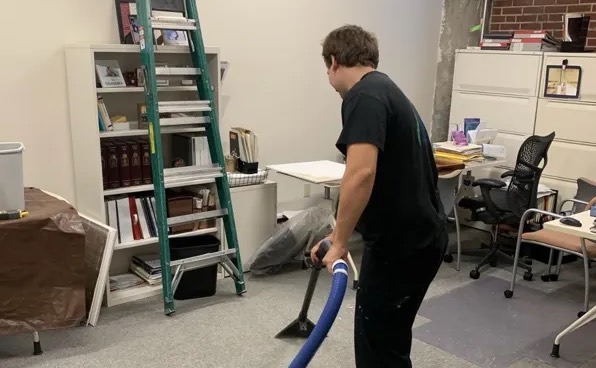
The pros extract water with specialized tools, then deploy air movers for complete drying to protect flooring in Geneva.
Broken Pipe Water Cleanup
The cleanup involves water extraction, opening cavities to promote drying, and removing unsalvageable wet materials like drywall.
Moisture Inspection
A moisture inspection is a standard step after water removal. Moisture meters and thermal imaging help map water migration, so the drying plan addresses all affected materials.
Emergency Water Extraction Services
For a sudden indoor flood, emergency water extraction removes the bulk water quickly. This first step uses powerful equipment to prevent water from permeating porous materials, setting the stage for drying in Geneva.
Signs Your Geneva Home Needs Water Extraction
Wet or Soggy Carpeting
Carpet that feels damp, squishes underfoot or shows wet spots is holding water in the pad.
Sagging or Stained Ceilings
Ceilings that droop or have large water stains signal a leak from above.
Musty Odors in Your Home
A persistent earthy smell often means hidden moisture behind walls or under floors.
Visible Water Pooling on Floors
Standing water in rooms, hallways or basements is a clear sign water extraction is needed to prevent structural damage.
How Residential Water Removal Works in Geneva
Step 1: Source Containment and Water Extraction
The first priority is stopping the water source if possible, then deploying extraction equipment to remove the bulk of the water from the property.
Step 2: Moisture Mapping for Hidden Damage
Meters and thermal cameras map moisture inside wall cavities and under flooring before drying starts.
Step 3: Industrial Drying and Dehumidification
High-volume air movers and commercial dehumidifiers work in tandem to evaporate and collect moisture from the air and building materials.
Step 4: Cleaning and Post-Restoration Evaluation
Once dry, surfaces are cleaned, and a final evaluation confirms the success of the water damage restoration, addressing any lingering concerns.
What Leads to Needing Residential Water Removal in Geneva
Sprinkler System or Irrigation Leaks
Damaged underground sprinkler lines or malfunctioning irrigation controllers can saturate the soil and foundation.
Clogged or Backed-Up Sewer Lines
Blockages in main sewer drains or septic systems can cause contaminated water to back up into basements.
Faulty or Overflowing Plumbing Fixtures
Toilets, sinks, bathtubs and showers can overflow due to clogs, faulty valves or simply being left running.
Foundation Cracks and Seepage
Hydrostatic pressure from saturated soil can force groundwater through cracks in your home's concrete foundation.
Residential and Commercial Water Removal in Geneva
Residential Water Removal
In houses, broken pipes are common and often leak into crawl spaces and walls. Pros check those areas with meters so hidden moisture is dried.
Commercial Water Removal
In multi-tenant buildings, water moves through shared walls. The pros dry each affected unit and keep humidity down across the building.
The Risks of DIY Residential Water Removal in Geneva
If safe to do so, you can turn off the main water supply to stop the flow from a broken pipe. Remove small, movable items like rugs and furniture from the wet area to prevent staining.
Understanding Residential Water Removal Cost in Geneva
Costs in Geneva for a flooded basement depend on how deep the water is and how long structural drying runs.
Material Damage Level
Costs adjust based on the extent of damage to materials like drywall, flooring, or personal contents needing restoration or removal.
Affected Square Footage
Larger wet areas take more time, equipment and labor to extract and dry.
Water Volume and Source
The amount of water and whether it's from a clean or contaminated source directly influences the scope and cost of the extraction work.
Does Insurance Cover Residential Water Removal?
For emergency water extraction services in Geneva, insurance may cover the cost if the cause is a covered peril. Homeowners should confirm coverage details directly with their insurer, as written terms vary.
Selecting Local Experts for Your Geneva Residential Water Removal
Methodical Drying Process
Each room is checked with meters so no wet area is missed.
IICRC-Standard Water Removal
The experts follow industry-standard methods for water extraction and drying, promoting effective moisture removal and damage control.
Water Mitigation
Fast action on broken pipes and other emergencies keeps the damage smaller.
Geneva Emergency Water Removal Services
For help with drying or limiting mold after a water problem in Geneva, call (478) 779-1453 any time, day or night.
Call Now (478) 779-1453Locations Served for Residential Water Removal from Geneva
The places below are also served, and each one has its own page.
- Residential Water Removal in Junction City
- Residential Water Removal in Talbotton
- Residential Water Removal in Butler
- Residential Water Removal in Manchester
- Residential Water Removal in Thomaston
- Residential Water Removal in Ideal
- Residential Water Removal in Reynolds
- Residential Water Removal in Ellaville
- Emergency Damage Restoration in 31810
- Storm Damage Restoration in 31810
- Water Damage Restoration in 31810
- Water Extraction Service in 31810
- Water Leak Detection in 31810
- Water Removal Service in 31810
Your Residential Water Removal Questions Resolved
What happens to personal items during residential water removal?
Items are moved to a dry area if possible. Some may be cleaned and dried on-site, while heavily damaged contents may require specialized off-site restoration.
How does emergency water extraction work?
Powerful truck-mounted or portable extractors are used to rapidly remove bulk water from floors, carpets, and other surfaces, the critical first mitigation step.
How is basement water removal handled differently?
It often involves pumping out deeper water, addressing potential contamination concerns, and drying foundational elements like concrete walls and floors over an extended period.
What happens during broken pipe water cleanup?
The water source is first stopped, then extraction begins. The area is inspected for hidden moisture, and a full drying plan is implemented to prevent further damage.
When is mold remediation needed after water damage?
If mold growth is already visible or detected during inspection after a delayed response, a separate mold remediation protocol by specialized pros may be necessary.