Fort Valley, GA · Peach County
Residential Water Damage Restoration in Fort Valley, GAWet Drywall Removal Service & Burst Pipe Water Cleanup
Residential Water Damage Restoration in Fort Valley covers flooded carpet water extraction, burst pipe water cleanup, and ceiling leak damage repair.
Answered 24/7
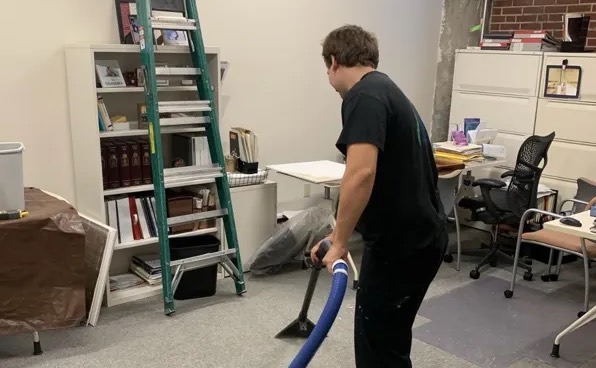
Your Fort Valley Residential Water Damage Restoration Specialists
Emergency water removal is critical in Fort Valley to halt the spread of water and protect belongings from permanent ruin. Delay often leads to warped floors and damaged drywall.
Flood cleanup in homes is common in the Fort Valley area, including communities near Marshallville, Byron and Perry. Pros remove standing water, pull soaked carpet pad and dry floors and walls.
Detailed Residential Water Damage Restoration in Fort Valley
Wet Drywall Removal Service
When drywall becomes wet, removal often stops mold growth in Fort Valley. Restoration pros cut out saturated areas for future patching.
Burst Pipe Water Cleanup
A burst pipe can release hundreds of gallons. In Fort Valley, the experts remove water and dry concealed spaces like under cabinets.
Basement Flood Water Removal
Removing flood water from a basement requires powerful pumps. In Fort Valley, the pros extract water and assess hidden moisture in concrete.
Ceiling Leak Damage Repair
Repairing ceiling leak damage involves removing wet materials and drying the cavity. In Fort Valley, the pros ensure the leak source is fixed.
Sewage Backup Cleanup Service
Cleaning up after a sewage backup involves extracting contaminated water and applying EPA-registered disinfectants. In Fort Valley, the pros wear protective gear and use air scrubbers to clean the air.
Signs of Water Damage in Fort Valley Homes
Water Stains on Ceilings
Brownish stains on ceilings mean a past or active leak above, and the ceiling may need repair.
Wet Drywall Swelling
Swollen or bubbling drywall indicates water has seeped inside. This can lead to structural weakening and mold growth if not dried promptly.
High Indoor Humidity Levels
Consistently high humidity can indicate evaporating water from a hidden leak. This complicates the overall water damage restoration process.
Visible Mold Growth
Patches of mildew on walls or ceilings mean moisture has been there a long time and needs drying.
How Residential Water Damage Restoration Works in Fort Valley
Step 1: On-Site Evaluation and Planning
The pros check the damage and plan drying for each area, from a wet basement to a leaking ceiling.
Step 2: Efficient Water Extraction and Removal
Standing water is removed with extractors first, so it stops soaking into floors and walls.
Step 3: Advanced Drying Technology Deployment
Dehumidifiers and air movers dry the structure, with readings taken until it is dry enough to limit mold and rot.
Step 4: Completion and Documentation for Claims
The job is completed once drying goals are met. Detailed documentation, including moisture logs, is provided to assist you with your insurance claim process.
Water Damage Sources in Fort Valley, GA
Appliance Malfunctions and Leaks
Failing washing machines, water heaters, or dishwashers can leak. Appliance leak water extraction addresses the water and prevents further appliance damage.
Clogged or Backed-Up Sewers
Blocked sewer lines can force contaminated water back into your home. This is a job for sewage backup cleanup service professionals.
Roof Leaks From Storm Damage
Damaged shingles or flashing let water into the attic and down into ceilings.
Overflowing Bathtubs or Sinks
A simple overflow from a bathtub or sink can soak floors and walls. Wet carpet drying is often needed to prevent secondary damage.
Residential Water Damage Restoration for All Properties in Fort Valley
Residential Water Damage Restoration
For homes, water damage can ruin belongings and soak drywall in living spaces. The pros save family items where possible and dry the home so it is livable again.
Commercial Water Damage Restoration
For businesses, water intrusion disrupts operations, damages inventory, and creates liability risks. The pros prioritize minimizing downtime, protecting assets, and ensuring the workspace is safe and dry for employees and customers through commercial-grade water removal.
Professional Residential Water Damage Restoration vs. DIY in Fort Valley
If you suspect a sewage backup, avoid contact with the water and keep children and pets away. Do not use any drains or toilets until the line has been checked.
Understanding Residential Water Damage Restoration Costs in Fort Valley
Investment in emergency water removal for your home in Fort Valley depends on the water category and the required drying time. Contaminated water from a sewage backup demands different protocols than clean water from a burst pipe, affecting cost.
Material Type
Different materials like carpet, drywall, or subflooring absorb water at varying rates and require specific removal or drying techniques.
Secondary Damage
The presence of mold growth or structural weakening from prolonged moisture can add steps like mold remediation to the project.
Access Complexity
Hard-to-reach areas, such as behind walls or under cabinets, can extend the time required for thorough water leak cleanup.
Does Insurance Cover Residential Water Damage Restoration?
Insurance for water damage repair hinges on the cause listed in your homeowner's or renter's policy. Your insurer assesses this information against your policy language to make a coverage determination.
The Value of Local Pros in Fort Valley for Residential Water Damage Restoration
Odor Control Measures
Addressing musty odors from water damage is part of the process, using air scrubbing and antimicrobial treatments where appropriate.
Comprehensive Water Extraction
Powerful truck-mounted or portable extractors remove the bulk water quickly, which is the first critical step in restoration.
Detailed Documentation
Systematic photos and moisture readings create a clear record of the damage and restoration process for your reference.
Round-the-Clock Emergency Residential Water Damage Restoration in Fort Valley
For sudden flooding or sewage backup in Fort Valley, delay can lead to severe structural damage and health hazards. Reach the experts at (478) 779-1453, day or night.
Call Now (478) 779-1453Residential Water Damage Restoration Near Fort Valley: Areas Served
For a flooded home in Fort Valley or Marshallville, Byron and Perry, call (478) 779-1453. The pros handle burst pipes, appliance leaks and storm water day or night.
- Residential Water Damage Restoration in Marshallville
- Residential Water Damage Restoration in Byron
- Residential Water Damage Restoration in Perry
- Residential Water Damage Restoration in Reynolds
- Residential Water Damage Restoration in Centerville
- Residential Water Damage Restoration in Roberta
- Residential Water Damage Restoration in Warner Robins
- Residential Water Damage Restoration in Lizella
- Emergency Damage Restoration in 31030
- Storm Damage Restoration in 31030
- Water Damage Restoration in 31030
- Water Extraction Service in 31030
- Water Leak Detection in 31030
- Water Removal Service in 31030
Residential Water Damage Restoration FAQs
Are home water damage repair services available 24/7?
Yes, because water emergencies can happen anytime, the pros offer 24/7 emergency response for situations like burst pipes or major flooding that require immediate action.
What makes sewage backup cleanup service different?
Sewage backup involves highly contaminated water requiring strict safety containment, specialized disinfection, and often the disposal of affected porous materials that cannot be safely cleaned.
Does a burst pipe water cleanup require special steps?
Clean water from a burst pipe still requires extraction and drying to prevent secondary damage.
How long does the residential flood cleanup process take?
Simple water extraction may take a day, while projects involving structural drying and repairs can take several days to over a week.
How do water extraction service providers handle hidden moisture?
Using non-invasive moisture meters and thermal imaging cameras, the pros can detect water behind walls or under floors without unnecessary demolition, guiding targeted drying efforts.