Warner Robins, GA · Houston County
Library Damage Restoration in Warner Robins, GALibrary Sewage Cleanup & Library Storm Damage Repair
Library Damage Restoration in Warner Robins covers library storm damage repair, library mold remediation and emergency library water extraction.
Answered 24/7
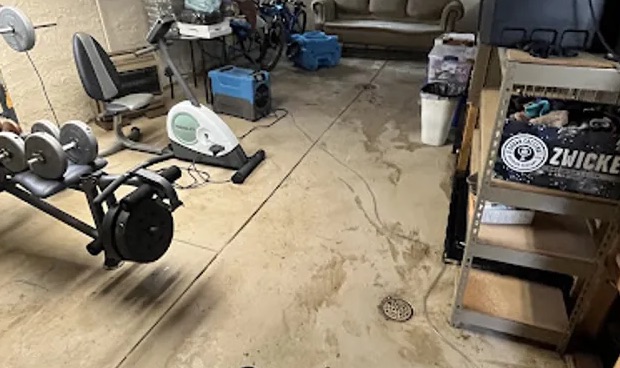
Local Library Damage Restoration for Warner Robins, Georgia
In Warner Robins, archive recovery depends on controlling temperature and humidity fast, which protects photographs, maps and paper. Stabilization is the first priority to enable later restoration efforts.
Library damage restoration for properties in Warner Robins and nearby areas like Centerville, Bonaire and Avondale addresses the specific challenges of protecting bound collections and electronic media from water, mold and fire.
Library Damage Restoration Services in Warner Robins
Library Sewage Cleanup
A sewer line issue can release hazardous waste into a library. Sewage cleanup experts use professional-grade equipment for extraction. The area is treated with EPA-registered antimicrobial solutions. This remediation protects patrons and staff from potential biohazards.
Library Storm Damage Repair
Wind-driven rain or falling debris can breach library exteriors. The experts assess and document all storm-related damage. Quick action helps mitigate long-term damage to library assets.
Library Water Damage Restoration
Storm or plumbing failures can cause significant library water damage. Local pros document all affected areas for a homeowner's insurance claim. The focus is on careful water removal and controlled drying to salvage collections.
Library Book Water Damage Recovery
When water reaches the stacks, soaked books must be handled quickly to save reference and historical materials. The experts use document recovery techniques to mitigate permanent damage to pages and bindings from moisture.
Emergency Library Water Extraction
Emergency library water extraction in Warner Robins is available 24/7. The pros prioritize stopping the water source and extracting all visible moisture.
When to Call for Library Damage Restoration in Warner Robins
Water Dripping From Ceiling Tiles
Active leaks above drop ceilings can soak books and documents on the shelves below very quickly.
Condensation on Windows and Glass
Excess humidity inside the library leads to condensation, promoting mold and damaging book bindings and archival materials.
Smoke or Soot Residue Post-Fire
Even a small fire leaves corrosive soot on books and surfaces that needs careful cleaning.
Soggy or Damp Carpeting
Wet carpet in entryways or study areas is a sign of flooding or seepage that can damage subfloors.
How Library Damage Restoration Works in Warner Robins
Step 1: Damage Assessment and Containment
The process begins with a thorough assessment of water damage in libraries. The professionals establish containment zones to prevent cross-contamination of unaffected areas.
Step 2: Water Removal and Drying
Powerful extraction equipment removes water from carpets, floors, and affected materials. Industrial-grade dehumidifiers then work to pull moisture from the air and building materials.
Step 3: Library Mold Remediation and Cleaning
If mold is present, experts contain the area, safely remove contaminated materials, and clean all surfaces with antimicrobial solutions to prevent regrowth.
Step 4: Content Restoration and Return
The focus shifts to library archive recovery. Restored books, documents, and other contents are cleaned, treated for odors, and systematically returned to the space.
Leading Causes of Damage in Warner Robins Libraries
Improper Ventilation in Storage Areas
Stale, humid air in closed stacks or storage rooms lets mold grow on books and shelving.
Historical Document Storage Conditions
Inadequate climate control in special collections rooms can slowly damage fragile materials through humidity fluctuations and mold growth.
Burst Pipes or Plumbing Failures
Failing pipes inside walls or ceilings can release large amounts of water into the library.
Poor Building Envelope Sealing
Gaps around windows, doors, or foundations let in humid outside air or driven rain, creating persistent damp conditions.
Library Damage Restoration for All Libraries in Warner Robins
Water Damage Help for Homes
For home libraries, local pros extract water to protect bindings and paper. Historical document restoration techniques may be applied to family heirlooms. The aim is to save your personal archive.
Library Damage Restoration for Owners and Managers
Commercial library sewage cleanup addresses contamination risks to public collections and infrastructure. Specialists in library storm damage repair secure the building envelope and begin drying materials. All actions are recorded to support the organization's insurance process.
Why DIY Library Cleanup Fails: Trust Book Restoration Professionals in Warner Robins
You can document the damage for your insurance claim by taking clear photographs and making a list of affected items. The coverage decisions belong to your insurer, so confirm details with them, as the professionals will also provide thorough documentation.
Factors Affecting Library Damage Restoration Price in Warner Robins
Whether the damage is confined to one reading room or has spread through multiple floors and storage areas changes the project scale. Containing cross-contamination in large libraries requires additional setup.
Containment Needs
Containment keeps mold spores and soot away from undamaged collections. Building containment barriers and managing airflow adds to project steps.
Water Category
Clean water from a HVAC leak is simpler to address than black water from a sewer backup. Category 3 water demands rigorous sanitization for safety.
Damage Severity
A minor leak in a corner differs from a ceiling collapse that soaked entire stacks.
Does Insurance Cover Library Damage Restoration?
The cause of the damage is the primary factor for insurance. Storm damage or fire is often covered, while flooding from external sources typically requires a separate flood insurance policy.
The Value of Local Professionals for Library Damage Restoration
Advanced Humidity Control
Industrial dehumidifiers and air movers target ambient moisture in library archives. The space is cleaned and stabilized.
24/7 Emergency Response
Damage doesn't wait for business hours. Immediate library water extraction helps prevent irreversible harm to paper, bindings, and building materials.
Containment Protocols
Setting up physical barriers helps isolate affected areas from clean collections. This limits the spread of contaminants and mold spores.
Round-the-Clock Library Damage Restoration for Warner Robins Libraries
Storm damage can compromise a library's roof and windows, letting water inside. Secondary mold growth starts rapidly. For storm damage restoration for libraries, call (478) 779-1453 any time, day or night.
Call Now (478) 779-1453Local Library Damage Restoration for Warner Robins and Vicinity
When water damage in libraries occurs, it endangers both the building and its contents. The specialists provide library flood cleanup and recovery for properties in Warner Robins and nearby Centerville, Bonaire and Avondale.
Frequently Asked Questions About Library Damage Restoration
Why is emergency library restoration critical?
Quick action limits swelling, warping and mold. Water extraction and humidity control keep collections from getting worse.
What does library storm damage repair involve?
Securing the building from further weather intrusion, extracting water, drying the structure, and repairing roofs, windows, or walls damaged by wind, rain, or debris.
What is library water damage restoration?
It is the process of extracting water, drying structures and contents, and cleaning affected areas in a library after a leak or flood. It prevents mold and saves books and documents.
How quickly should water damage in libraries be addressed?
Within 24-48 hours to prevent irreversible damage to paper and bindings. Mold can begin growing quickly in the warm, moist environment of wet books and carpet.
How long does library sewage cleanup and drying take?
Cleanup may take several days, followed by a drying phase of 3-5 days or more. The timeline depends on the extent of contamination and the building's construction.