Deepstep, GA · Washington County
Laminate Floor Water Extraction in Deepstep, GALaminate Floor Subfloor Drying & Laminate Floor Mold Prevention
Laminate Floor Water Extraction in Deepstep covers emergency laminate floor water cleanup and laminate floor mold prevention.
Answered 24/7
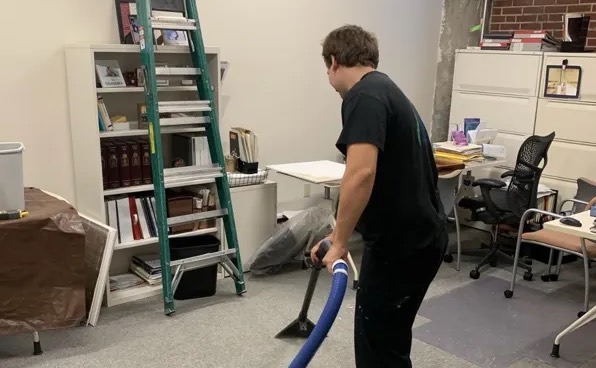
Laminate Floor Water Extraction Services in Deepstep, Georgia
In properties in Deepstep, prolonged exposure leads to swollen seams, buckling, and irreversible damage to the locking systems.
Laminate floor water extraction in Deepstep is a common need due to plumbing issues or appliance failures. Local water damage pros serve Deepstep and nearby areas like Sandersville, Tennille and Oconee, providing emergency water extraction for floors and subfloor drying.
Detailed Laminate Floor Water Extraction Methods for Deepstep Residents
Laminate Floor Subfloor Drying
Restoration pros employ a balanced drying system, pushing airflow beneath the remaining laminate to evaporate trapped moisture.
Laminate Floor Mold Prevention
The pros dry the area completely and may apply EPA-registered antimicrobial agents to the subfloor.
Laminate Floor Flood Damage Restoration
The pros manage the entire project, coordinating drying, documentation, and repair to handle the complexity of significant water damage in Deepstep.
Laminate Floor Moisture Inspection
The pros take readings with both surface and penetrating meters to create a moisture map of the floor, locating concealed damp areas within homes in Deepstep.
Laminate Floor Water Extraction
Laminate flooring swells quickly after a leak. The laminate floor water extraction procedure starts by extracting standing water from the floor surface and perimeter.
When to Call for Laminate Floor Water Extraction in Deepstep, GA
Recent Plumbing Leak or Appliance Flood
Any recent leak from a dishwasher, fridge, or plumbing line means water likely reached your laminate floors.
Visible Water Stains or Discoloration
Dark stains, discoloration, or a cloudy appearance on the laminate surface point to water damage.
Water Seeping From Floor Edges
Water pooling or seeping from the edges of your laminate floor planks is a clear sign of a leak or spill underneath.
Spongy or Soft Feeling Underfoot
A soft, spongy feeling when you walk on the floor suggests water has saturated the subfloor beneath.
How Laminate Floor Water Extraction Works in Deepstep
Step 1: Laminate Floor Flood Cleanup
Water is contained and extracted from the laminate surface and the seams with floor extraction tools.
Step 2: Laminate Floor Moisture Check
An inspection finds the source and how deep the water went into the planks and the layer below.
Step 3: Execution of Laminate Water Removal
Water under the floor is removed, sometimes by pulling baseboards to reach underneath.
Step 4: Drying Laminate Floors After Leak
Drying is monitored until every material is back to a normal, dry reading.
Common Sources of Water Requiring Laminate Floor Water Extraction
Pet Accidents or Spilled Liquids
Spills from drinks, aquariums, or pet accidents that are not dried immediately seep between plank seams.
Foundation Cracks or Slab Moisture
Cracks in a concrete slab or high groundwater can cause moisture vapor to rise through, wetting laminate.
Appliance Leaks and Malfunctions
Dishwasher, washing machine, or refrigerator water line failures are common causes of sudden laminate floor flooding.
Plumbing Leaks Under the Floor
Leaking supply pipes or drain lines beneath the subfloor slowly saturate materials, damaging laminate from below.
Local Laminate Floor Water Extraction for Deepstep Residences and Offices
Residential Laminate Floor Water Extraction
Protecting laminate in homes starts with fast, complete water extraction. The professionals dry the underlayment and subfloor fully so no damp layer is left under the planks.
Commercial Laminate Floor Water Extraction
In commercial buildings, laminate cleanup is planned with the property manager. The water is extracted and the slab dried to avoid long closures.
Risks of DIY Laminate Floor Water Extraction in Deepstep
If you discover water on your laminate floor, you can safely remove surface water with towels or a wet-dry vacuum. Immediately move furniture and rugs off the wet area.
What Affects Laminate Floor Water Extraction Pricing in Deepstep
Emergency extraction cost in Deepstep depends on when help is needed and how much water is under the laminate.
Floor Repair Complexity
Repairing or replacing planks after extraction adds materials and labor to the job.
Structural Accessibility
Hard-to-reach areas and moving heavy furniture out of the way add time to the job.
Extent of Water Damage
How much laminate got wet and how deep the water went are the main cost drivers.
Does Insurance Cover Laminate Floor Water Extraction?
The experts in Deepstep provide detailed documentation to support your claim, but you must confirm coverage directly with your insurance provider.
The Value of Expert Laminate Floor Water Extraction in Deepstep, Georgia
Comprehensive Damage Documentation
Photos and moisture logs are provided for your records and any insurance claim.
Targeted Subfloor Drying
Drying equipment targets the subfloor under the planks, which is where lasting damage starts.
Focused Laminate Floor Repair
Each plank is checked so only the ones that cannot be saved are replaced.
24/7 Emergency Laminate Floor Water Extraction in Deepstep
A flooded laminate floor is a pressing emergency. Reach the pros for emergency laminate floor water cleanup at (478) 779-1453, day or night.
Call Now (478) 779-1453Laminate Floor Water Extraction Service Area Including Deepstep, GA
The places below are also served, and each one has its own page.
- Laminate Floor Water Extraction in Sandersville
- Laminate Floor Water Extraction in Tennille
- Laminate Floor Water Extraction in Oconee
- Laminate Floor Water Extraction in Toomsboro
- Laminate Floor Water Extraction in Milledgeville
- Laminate Floor Water Extraction in Abbeville
- Laminate Floor Water Extraction in Rochelle
- Laminate Floor Water Extraction in Chauncey
Frequently Asked Questions About Laminate Floor Water Extraction
What happens during emergency water extraction for floors?
Standing water is extracted, drying equipment is set up and moisture is monitored to keep the damage from spreading.
Can wet laminate floorboards be saved after water damage?
However, planks that are cupped, swollen, or delaminated often require removal as part of the repair process.
Does laminate floor water damage always lead to mold?
Laminate floor water damage often leads to mold if moisture remains for over 48 hours.
What are common laminate floor drying methods used by pros?
Extraction wands, air movers and dehumidifiers set up together to dry the laminate and subfloor.
When is water damaged laminate floor repair necessary?
When planks will not lock back together or are permanently swollen, those sections are removed and replaced.