Warner Robins, GA · Houston County
Insulation Replacement in Warner Robins, GAWall Insulation Removal & Fiberglass Insulation Removal
Insulation Replacement in Warner Robins includes moldy insulation removal, wall cavity insulation removal and fiberglass insulation removal.
Answered 24/7
Local Insulation Replacement Services in Warner Robins
In Warner Robins, new insulation cuts energy loss and keeps rooms comfortable year-round. Damaged insulation, whether from rodents, water, or age, undermines your home's envelope and can attract further pests or mold growth.
In Warner Robins, insulation replacement covers fiberglass removal and new attic insulation. Local insulation removal pros focus on safety and efficiency for each home. It is available in Warner Robins and nearby areas including Centerville, Bonaire and Avondale. Proper attic ventilation is a key factor in the replacement process.
Detailed Insulation Replacement Offerings
Wall Insulation Removal
Old insulation is removed to expose the attic floor or wall framing. Gaps, cracks and openings are then sealed with foam or caulk to cut air leaks.
Fiberglass Insulation Removal
Upgrading from old, settled fiberglass batts starts with thorough removal. Pros handle the itchy, dusty work and clear every joist bay so no old material is left.
Moldy Insulation Removal
Moldy insulation is a health hazard that requires careful abatement. Removal follows strict containment protocols to prevent spore dispersion throughout your home during the extraction and disposal process.
Rodent-Infested Insulation Removal
It safely removes insulation fouled by rodents or other pests. It eliminates the source of allergens and odors, preparing your attic for sanitation and a fresh installation of clean insulation material.
Wet Insulation Removal
Wet insulation left in place can lead to mold and wood rot. Removal uses containment and vacuums to keep fibers and moisture from spreading through the attic or walls.
Signs of Damaged Attic Insulation
Increased Indoor Allergies
Worsening allergy symptoms indoors can be caused by allergens from old or rodent-infested insulation.
Poor Temperature Regulation
Rooms that are consistently too hot or cold can result from inadequate or damaged wall cavity insulation.
Attic Rodent Noises
Scratching or scurrying sounds above your ceiling are a clear sign of rodent-infested insulation removal needs.
Visible Attic Moisture
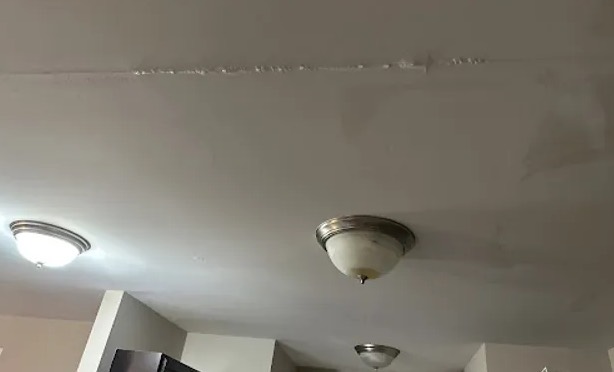
Water stains or condensation on rafters or insulation batts indicate a leak affecting the insulation.
How Insulation Replacement Works in Warner Robins
Step 1: Moisture and Damage Inspection
The pros begin with a thorough evaluation using tools to find hidden wet areas and assess attic insulation removal needs. Photos are taken for documentation.
Step 2: Old Insulation Extraction
Fiberglass or blown-in insulation removal then begins. Industrial vacuums and hand tools remove the material safely.
Step 3: Cavity Cleaning and Drying
Once empty, wall cavities and attic floors are cleaned of debris and dust. Any residual moisture is addressed to create a dry substrate for the new material.
Step 4: Replacement and Air Sealing
New batts or blown-in insulation is installed. The pros also seal gaps and penetrations to complete the insulation replacement and improve thermal performance.
Sources of Attic Insulation Failure
High Indoor Humidity
Daily activities like cooking and showering create vapor that can collect in a poorly vented attic.
Flooding or Storm Damage
Groundwater intrusion or wind-driven rain can soak wall cavities and lower levels, ruining insulation.
Aging and Settling Insulation
Over decades, blown-in insulation compacts and loses loft, while fiberglass batts sag or tear, drastically reducing their original thermal performance and R-value.
Improper Original Installation
Gaps, compression, or incorrect material choices during the initial installation can lead to early thermal failure and drafts within the building envelope.
Insulation Replacement for Homes and Businesses
Residential Insulation Replacement
Residential Insulation Replacement often involves removing old, settled cellulose or fiberglass from attics and crawlspaces where moisture or pests have caused damage. The pros contain and dispose of contaminated material before installing new insulation.
Commercial Insulation Replacement
In commercial settings, the pros address insulation damage in mechanical rooms, above suspended ceilings, and within exterior wall assemblies. Their process includes assessing attic ventilation needs and documenting conditions to help prevent future moisture problems and energy loss.
Hiring Insulation Removal Pros for Insulation Replacement vs. Doing It Yourself
You can visually check attic ventilation to see if soffit and ridge vents are clear of debris. Use a flashlight to look for blockages from nests or insulation. If you suspect mold, leave it alone and call the pros to remove it and improve attic ventilation.
Pricing for Insulation Replacement Services
The final price for insulation replacement in Warner Robins depends on the scale of damage and the removal method needed. Factors like the attic's size and whether mold is present affect the total. Additional work like air sealing your attic also changes the overall investment.
Accessibility
Hard-to-reach attics or closed wall cavities take more time and equipment to access.
Removal Method
The removal method, such as for wet or blown-in insulation, sets the equipment and labor needed.
Additional Services
Extra work like air sealing, ventilation upgrades or attic cleaning adds to the total cost.
Does Insurance Cover Insulation Replacement?
Insurance coverage for insulation replacement in Warner Robins depends entirely on your policy's cause of loss. Sudden events like a burst pipe causing wet insulation may be covered. The pros document all damage with photos and moisture readings for your claim. Submit this documentation to your adjuster. The final decision on coverage belongs solely to your insurance company.
Benefits of Local Pros for Insulation Replacement
Ventilation Assessment
The attic ventilation system is checked during insulation replacement to help prevent future moisture and condensation issues.
Detailed Damage Documentation
Pros document the scene with photos and moisture readings, creating a clear record for your personal reference.
Material Handling Expertise
Correct handling and disposal of old fiberglass insulation or other materials is performed with appropriate safety measures.
Urgent Insulation Replacement for Warner Robins
An attic flooding event requires emergency insulation removal. Call (478) 779-1453 for 24/7 assistance from the pros. Quick removal of soaked insulation is the first step to prevent mold and restore your attic's condition.
Call Now (478) 779-1453Insulation Replacement Across Warner Robins and Neighboring Towns
In Warner Robins and neighboring places such as Centerville, Bonaire and Avondale, removing rodent-infested or moldy insulation is a health priority. Proper disposal and replacement restore the thermal barrier. The pros handle the entire process from assessment to final installation.
Frequently Asked Insulation Replacement Questions
How long does attic insulation removal take?
The timeline depends on attic size, contamination level, and material type. A standard removal and replacement project for an average attic often takes one to two days.
Can wall cavity insulation be replaced?
Yes. The pros can remove old wall insulation through small openings and often blow new insulation into the cavities.
How soon can new insulation be installed after removal?
New insulation can be installed once the attic space is completely clean, dry, and any necessary air sealing or repair work has been finished.
What are signs you need insulation replacement?
Signs include high energy bills, uneven room temperatures, visible moisture or mold on insulation, pest infestations, or insulation that is sagging or compacted.
What happens during rodent-infested insulation removal?
The process involves removing all contaminated insulation, sanitizing the attic framing with antimicrobial solutions, and sealing entry points before new insulation is installed.