Chester, GA · Dodge County
Industrial Dehumidification in Chester, GAMold Remediation Services & Commercial Water Damage Cleanup
Industrial Dehumidification in Chester includes mold remediation services, structural drying services, and disaster recovery drying.
Answered 24/7
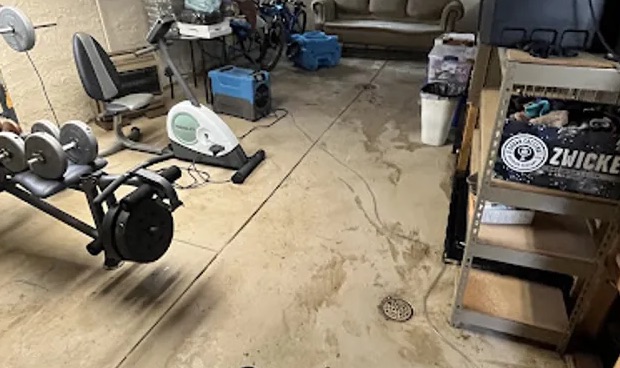
Industrial Dehumidification Solutions in Chester, Georgia
Data centers, storage rooms and archives need stable humidity. After water damage, condensation and corrosion can harm equipment and records.
Industrial dehumidification is a priority for large facilities in Chester and nearby areas like Dexter, Cadwell and Rentz. Whether dealing with a burst pipe or ongoing humidity issues, local water damage pros apply commercial dehumidification techniques.
Professional Industrial Dehumidification in Chester
Mold Remediation Services
Extensive mold requires professional remediation to ensure occupant safety. Industrial dehumidification is a core part of stopping the mold lifecycle.
Commercial Water Damage Cleanup
Leaks or floods in commercial properties need high-capacity dehumidifiers. Humidity control in expansive areas targets moisture in concrete slabs and behind walls.
Warehouse Moisture Control
Managing warehouse air quality requires continuous moisture removal. Systems run to prevent rust on metal shelving and spoilage of goods.
Industrial Flood Damage Restoration
Major industrial flooding demands comprehensive restoration. Pros start by extracting water and then dry the structure. They focus on preventing corrosion to metal assets and electrical systems.
Disaster Recovery Drying
After a large flood or leak, whole floors or wings of a building may need drying at once. High-capacity dehumidifiers and air movers make that possible.
Signs of Moisture Requiring Industrial Dehumidification in Chester
Damp Insulation or Drywall
Wet materials behind walls or above ceilings stay wet for weeks without forced drying and can rot.
Noticeable Water Pooling
Standing water in a warehouse or industrial space needs to be removed before drying can start.
Visible Mold
Black, green or white spots on walls or contents mean humidity has been high for too long.
Warped or Buckling Materials
Swollen wood, peeling paint or distorted flooring are signs of too much moisture in the building.
How Industrial Dehumidification Works in Chester
Step 1: Site Assessment and Inspection
An inspection finds the water sources, the wet materials and how much cleanup is needed.
Step 2: Containment and Water Removal
Containment is set up if needed, then industrial extractors remove the bulk water.
Step 3: Deploy Drying Equipment
Desiccant and refrigerant dehumidifiers and air movers are placed to dry the building.
Step 4: Continuous Monitoring and Adjustment
Equipment runs around the clock, and humidity is checked so the setup can be adjusted as areas dry.
Causes of Industrial Humidity Problems in Chester
HVAC System Condensation Issues
Cooling systems that are poorly maintained or oversized can produce a lot of condensation and raise humidity.
Process Water or Chemical Spills
Industrial processes that use liquids carry a constant risk of accidental spills and releases.
Groundwater Intrusion and Saturation
Poor drainage around the building can let water seep up through the floor.
Burst Pipes or Plumbing Leaks
Failed supply lines, faulty fittings, or cracked pipes can release thousands of gallons.
Residential and Commercial Industrial Dehumidification in Chester
Residential Industrial Dehumidification
In homes, water from a burst pipe spreads inside walls and under floors. Local water damage restoration pros find the wet areas with meters and dry them to save the structure and finishes.
Commercial Industrial Dehumidification
Manufacturing plants and warehouses need large-scale drying after a major water incident. Drying brings the space back to the humidity levels production requires.
Industrial Dehumidification vs. Do-It-Yourself in Chester
A property owner can document the first damage with photos and written notes for the insurance provider before cleanup begins. Large-scale extraction and structural drying, though, take industrial pumps, dehumidifiers and trained pros.
What Influences Industrial Dehumidification Expense in Chester
The cost of temporary dehumidification depends on the size of the building, the humidity target and whether concrete needs special drying.
Mold Remediation Needs
If mold is found, containment, removal and air scrubbing are added to the job.
Structural Material Type
Concrete, wood and steel dry differently, which changes the approach and the time.
Equipment Quantity
The number of dehumidifiers, air movers and meters needed grows with the size of the flood.
Does Insurance Cover Industrial Dehumidification?
Insurance coverage for industrial dehumidification work in Chester depends entirely on the specific terms and conditions of a property owner's policy. The final coverage decision rests solely with the insurance carrier.
Why Chester Properties Need Local Pros for Industrial Dehumidification
Structural Material Knowledge
Concrete, wood and drywall dry at different rates, and the plan accounts for each.
Detailed Moisture Documentation
Meters and sensors track humidity and moisture, so you can see drying progress day by day.
IICRC-Standard Drying Methods
The pros follow industry drying standards so moisture is fully removed from the structure.
24/7 Emergency Industrial Dehumidification in Chester
Removing water early prevents more damage to the structure and lowers the mold risk. Call (478) 779-1453 any time, day or night, for help in Chester.
Call Now (478) 779-1453Local Industrial Dehumidification Areas: Chester and Beyond
The pros provide commercial dehumidification and water cleanup for facilities in Chester and nearby Dexter, Cadwell and Rentz.
- Industrial Dehumidification in Dexter
- Industrial Dehumidification in Cadwell
- Industrial Dehumidification in Rentz
- Industrial Dehumidification in Dudley
- Industrial Dehumidification in Montrose
- Industrial Dehumidification in Cochran
- Industrial Dehumidification in Eastman
- Industrial Dehumidification in Allentown
- Emergency Damage Restoration in 31012
- Storm Damage Restoration in 31012
- Water Damage Restoration in 31012
- Water Extraction Service in 31012
- Water Leak Detection in 31012
- Water Removal Service in 31012
Industrial Dehumidification FAQs for Chester Property Owners
What is included in commercial water damage cleanup?
It covers water extraction, handling of affected contents, antimicrobial treatment when needed, structural drying and ongoing humidity control.
How is drying progress monitored?
The pros take moisture readings from materials and the air each day and keep drying logs that show progress.
What is the goal of disaster recovery drying?
It is drying a building after a large water loss so the business can return to normal use as soon as possible.
What is the first step in emergency water removal?
The initial critical step is extracting all standing water using truck-mounted or portable pumps and extractors.
How does commercial dehumidification differ from residential?
The focus extends beyond drying to include minimizing operational downtime and protecting sensitive inventory or machinery.