Thomaston, GA · Upson County
Hydrostatic Pressure Water Removal in Thomaston, GAGroundwater Intrusion Mitigation & Sump Pump Failure Cleanup
Hydrostatic Pressure Water Removal in Thomaston covers groundwater intrusion mitigation, wet subfloor removal and crawl space water extraction.
Answered 24/7
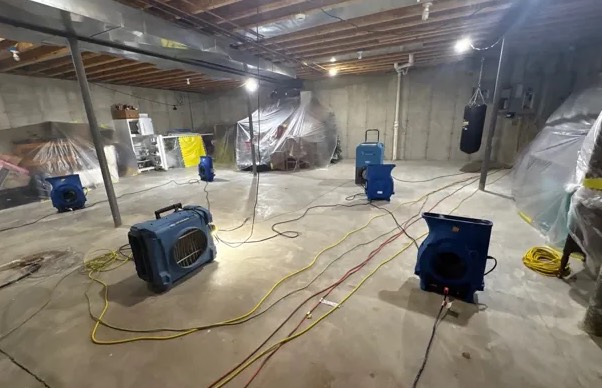
Professional Hydrostatic Pressure Water Removal in Thomaston, GA
In Thomaston homes, water pushed in by soil pressure can keep subfloors and framing damp long after the puddles are gone, which leads to rot and mold.
In Thomaston and nearby Yatesville, Molena and Culloden, soaked soil can push water into basements and crawl spaces. Local hydrostatic pressure experts extract the water and dry the structure.
Specialized Hydrostatic Pressure Water Removal for Thomaston
Groundwater Intrusion Mitigation
Moisture readings and entry points are recorded during the work, which helps plan both the drying and any drainage changes outside.
Sump Pump Failure Cleanup
The cleanup process removes all water, cleans the pit, and ensures the area is dry before a new pump is installed or the existing one is repaired.
Crawl Space Water Extraction
A wet crawl space is a hidden problem that can lead to mold and wood rot.
Foundation Crack Water Infiltration
Even hairline cracks can let in a lot of water when the soil is soaked. The water inside is removed, and sealing the crack is left to a foundation contractor.
Wet Subfloor Removal
Subfloor that stayed soaked after a groundwater flood may have to be removed. The water is extracted, the damaged sections cut out and the area dried for new material.
Warning Signs You Need Hydrostatic Pressure Water Removal
Visible Cracks in Foundation Floors
New or widening cracks in a basement slab can let groundwater in when the soil is wet.
Water Seeping From Foundation Walls
Water seeping at the base of foundation walls means groundwater is being pushed in by pressure from the soil.
Spongy or Soft Spots on Floors
Damp spots or lifting flooring on a slab can mean water is coming up from below.
Damp or Musty Odors in Basement
A constant musty smell in the lower level often means groundwater is getting in somewhere.
How Hydrostatic Pressure Water Removal Works in Thomaston
Step 1: Initial Pressure Evaluation
The pros look at where the water came in and how wet the soil-side walls and floor are.
Step 2: Sub-Slab Water Removal
Using specialized extraction tools, pros remove water trapped beneath concrete slabs and flooring.
Step 3: Targeted Structural Drying
Drying equipment is aimed at framing, joists and sill plates so the structure dries all the way through.
Step 4: Documentation for Insurance
Moisture readings, photos and notes on the work are put together for your insurance claim.
Sources Requiring Hydrostatic Pressure Water Removal
Foundation Settlement and Cracks
As a foundation settles, cracks form and give groundwater a direct path inside.
Heavy or Prolonged Rainfall
Long periods of rain soak the soil, and the water presses against the foundation until it finds a way in.
Improper Landscaping and Irrigation
Landscaping that slopes toward the house, or heavy watering near it, adds water to the soil against the foundation.
High Water Table Levels
A high water table keeps steady pressure on the foundation and pushes water through cracks and joints.
Hydrostatic Pressure Water Removal for All Property Types
Residential Hydrostatic Pressure Water Removal
Persistent basement flooding from hydrostatic pressure can ruin furnaces, water heaters and stored items. Local structural drying professionals dry the structure fully to prevent further damage.
Commercial Hydrostatic Pressure Water Removal
In multi-tenant buildings, groundwater cleanup has to be planned around other businesses. The pros coordinate access and drying to limit disruption.
Hydrostatic Pressure Damage: DIY Risks vs. Professional Hydrostatic Pressure Water Removal
A dehumidifier can help with humidity in a damp basement once water has stopped coming in. Drying wet subfloor and framing needs professional equipment for a full dry-out.
Hydrostatic Pressure Water Removal Cost in Thomaston, GA
In Thomaston, the price depends on the size of the wet area, how deep the water got and how many days of drying the structure needs.
Equipment Needs
Large pumps and industrial dehumidifiers for big jobs add to the equipment cost.
Affected Area Size
Larger flooded areas or large wet subfloors need more equipment and more days of drying.
Water Source Type
A slow slab seep and a sudden flood through a wall crack need different approaches and equipment.
Does Insurance Cover Hydrostatic Pressure Water Removal?
Whether insurance covers foundation water removal depends on how your policy treats groundwater. The pros document the flooded area and the damage, and your insurer makes the final call.
Benefits of Local Pros for Hydrostatic Pressure Issues
Focused Mitigation Planning
You get notes on where water came in, so you can plan drainage work with a contractor.
Controlled Demolition Protocols
Only subfloor and materials that cannot be dried are removed, which keeps the repair smaller.
Methodical Cleanup Process
Each step, from extraction to final readings, is done in order so nothing is left wet.
24/7 Emergency Hydrostatic Pressure Water Removal in Thomaston
Emergency groundwater intrusion cleanup is available around the clock for properties in Thomaston, by calling (478) 779-1453. The experts pump out crawl spaces and start drying.
Call Now (478) 779-1453Hydrostatic Pressure Water Removal Near Thomaston: Areas Served
Help with hydrostatic pressure water removal is available for properties in Thomaston and nearby Yatesville, Molena and Culloden.
- Hydrostatic Pressure Water Removal in Yatesville
- Hydrostatic Pressure Water Removal in Molena
- Hydrostatic Pressure Water Removal in Culloden
- Hydrostatic Pressure Water Removal in Zebulon
- Hydrostatic Pressure Water Removal in Barnesville
- Hydrostatic Pressure Water Removal in Concord
- Hydrostatic Pressure Water Removal in Woodbury
- Hydrostatic Pressure Water Removal in Manchester
- Emergency Damage Restoration in 30286
- Storm Damage Restoration in 30286
- Water Damage Restoration in 30286
- Water Extraction Service in 30286
- Water Leak Detection in 30286
- Water Removal Service in 30286
Common Hydrostatic Pressure Water Removal Questions Answered
What equipment is used for groundwater extraction?
Groundwater extraction uses submersible pumps for deep water, wet-dry vacuums for shallow flooding, and specialized extractors for under-slab water removal.
What causes foundation crack water infiltration?
Usually water pressure from soaked soil, or settlement cracks that give groundwater a path into the building.
What are signs of soil pressure water intrusion?
Water seeping where the floor meets the wall, damp foundation walls and ongoing moisture in a crawl space.
When is wet subfloor removal necessary?
When wood subflooring is so soaked that it cannot be dried, it is removed to prevent rot and a weak floor.
How long does drying take after groundwater comes in?
Most jobs take several days of drying. Waterproofing repairs, if needed, are a separate job for a waterproofing contractor.