Montrose, GA · Laurens County
Hydrostatic Pressure Water Removal in Montrose, GASlab Leak Water Removal & Slab Seepage Water Removal
Hydrostatic Pressure Water Removal in Montrose covers groundwater intrusion mitigation, wet subfloor removal and crawl space water extraction.
Answered 24/7
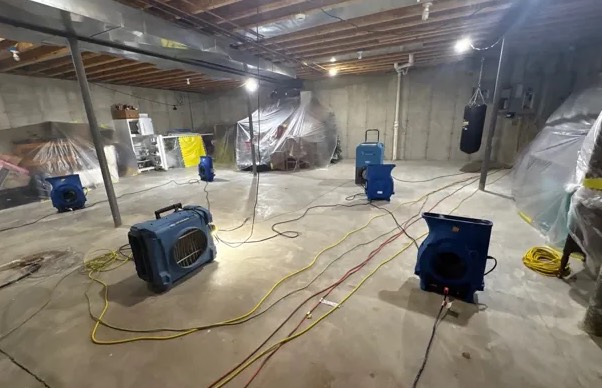
Hydrostatic Pressure Water Removal Solutions for Montrose Homes
In Montrose, a damp crawl space from groundwater affects the air in the whole house and can draw pests and mold if it is not dried fully.
In Montrose and nearby Allentown, Dudley and Danville, soaked soil can push water into basements and crawl spaces. Local structural drying professionals extract the water and dry the structure.
Comprehensive Hydrostatic Pressure Water Removal Solutions
Slab Leak Water Removal
For slab leaks in Montrose, structural drying professionals remove the water and dry the slab and flooring above it.
Slab Seepage Water Removal
Groundwater pushed up through a concrete slab can leave damp spots or a thin sheet of water. It is extracted and the slab and flooring are dried.
Foundation Crack Water Infiltration
The pros first extract the water, then document the damage for your insurance claim before repair planning.
Wet Subfloor Removal
The pros assess the damage, remove the compromised materials, and ensure the underlying joists are dry and sound before reconstruction.
Basement Hydrostatic Pressure Flooding
The process involves extracting standing water, assessing the foundation for entry points, and beginning the structural drying process to stabilize the environment.
Warning Signs You Need Hydrostatic Pressure Water Removal
Pooling Water in Crawl Space
Standing water in a crawl space is a clear sign water is getting in and needs to be removed.
Warped or Buckling Flooring
Flooring that warps or buckles near walls can mean water is coming up from below and the subfloor is wet.
Spongy or Soft Spots on Floors
Damp spots or lifting flooring on a slab can mean water is coming up from below.
Water Seeping From Foundation Walls
Water seeping at the base of foundation walls means groundwater is being pushed in by pressure from the soil.
How Hydrostatic Pressure Water Removal Works in Montrose
Step 1: Water Mitigation Response
Help is available 24/7, starting with extraction to stop more damage in the flooded lower level.
Step 2: Groundwater Intrusion Mitigation
Techniques are applied to divert or relieve groundwater pressure against the foundation.
Step 3: Comprehensive Moisture Mapping
Moisture meters find hidden dampness in walls and floors and guide where drying equipment goes.
Step 4: Sanitization and Odor Treatment
Affected areas are cleaned and treated to eliminate odors and microbial concerns.
Sources Requiring Hydrostatic Pressure Water Removal
Failed or Missing Waterproofing
Worn exterior coatings or membranes let groundwater reach the foundation wall directly.
Heavy or Prolonged Rainfall
Long periods of rain soak the soil, and the water presses against the foundation until it finds a way in.
Soil Expansion and Contraction
Clay soil swells when wet, adding pressure on foundation walls and opening paths for water.
Plumbing Leaks Under the Slab
A broken water line under the slab keeps feeding water up through the floor.
Hydrostatic Pressure Water Removal for Foundation Protection
Residential Hydrostatic Pressure Water Removal
In homes, groundwater can ruin a finished basement, belongings stored there and the crawl space under the house. Removing it early limits mold and keeps more of the space usable.
Commercial Hydrostatic Pressure Water Removal
In stores and offices, water in a lower level is a safety issue. The pros remove it and dry the space so it can be used again.
Hydrostatic Pressure Water Removal vs. DIY: When to Call the Pros
Clearing gutters and extending downspouts away from the foundation are good steps to reduce water at the walls. If water is already coming in, call (478) 779-1453 for extraction and drying.
Understanding Hydrostatic Pressure Water Removal Expenses
The price for hydrostatic pressure water removal in Montrose varies based on factors like the severity of the slab leak and the complexity of wet subfloor removal required.
Required Drying Time
The number of days the structure takes to dry is a large part of the cost.
Equipment Needs
Large pumps and industrial dehumidifiers for big jobs add to the equipment cost.
Intrusion Severity
How deep the water is and how much keeps coming in decide how long extraction takes.
Does Insurance Cover Hydrostatic Pressure Water Removal?
Coverage for structural drying depends on your policy's limits and exclusions. The professionals provide moisture maps and drying logs, so check the details with your agent.
Selecting Local Pros for Hydrostatic Pressure Water Removal in Montrose, GA
Structural Damage Assessment
The pros check where water came in and which materials it reached before drying starts.
24/7 Emergency Response
Removing water from a flooded lower level early limits damage to framing and lowers the mold risk.
Comprehensive Moisture Mapping
Moisture meters find water in subfloors and walls so every wet area gets dried.
Round-the-Clock Hydrostatic Pressure Water Removal in Montrose, GA
Water forced in through a foundation crack can spread across a floor quickly. Call (478) 779-1453 any time for help with water removal and drying in Montrose.
Call Now (478) 779-1453Areas Served for Hydrostatic Pressure Water Removal Near Montrose
From slab seepage to water through foundation cracks, the professionals work in Montrose and nearby Allentown, Dudley and Danville.
- Hydrostatic Pressure Water Removal in Allentown
- Hydrostatic Pressure Water Removal in Dudley
- Hydrostatic Pressure Water Removal in Danville
- Hydrostatic Pressure Water Removal in Dexter
- Hydrostatic Pressure Water Removal in Chester
- Hydrostatic Pressure Water Removal in Dublin
- Hydrostatic Pressure Water Removal in Cochran
- Hydrostatic Pressure Water Removal in Rentz
- Emergency Damage Restoration in 31065
- Storm Damage Restoration in 31065
- Water Damage Restoration in 31065
- Water Extraction Service in 31065
- Water Leak Detection in 31065
- Water Removal Service in 31065
Frequently Asked Questions About Hydrostatic Pressure Removal
What steps are in flooded foundation cleanup?
Extraction, removal of mud and debris, cleaning of surfaces and full drying of the basement structure.
What is hydrostatic pressure water damage?
It is water pushed through foundation cracks or slab joints by water pressure in the soil, which floods the lower level and soaks the structure.
Why does sump pump failure cause flooding?
A sump pump collects groundwater and pumps it out. When it fails, that water has nowhere to go and builds up in the lower level.
Will drying stop water from coming back?
No. Drying fixes the damage that is already there. Keeping water out takes drainage, grading or waterproofing work by a contractor.
What equipment is used for groundwater extraction?
Groundwater extraction uses submersible pumps for deep water, wet-dry vacuums for shallow flooding, and specialized extractors for under-slab water removal.