Eatonton, GA · Putnam County
Hydrostatic Pressure Water Removal in Eatonton, GASump Pump Failure Cleanup & Slab Seepage Water Removal
Hydrostatic Pressure Water Removal in Eatonton covers groundwater intrusion mitigation, wet subfloor removal and crawl space water extraction.
Answered 24/7
Addressing Hydrostatic Pressure Water Damage in Eatonton
Water forced through foundation cracks is rarely clean. It carries minerals and silt that stain concrete and rust metal, so surfaces are cleaned after the water is removed.
In Eatonton and nearby Monticello, Hillsboro and Milledgeville, soaked soil can push water into basements and crawl spaces. Local groundwater extraction specialists extract the water and dry the structure.
Hydrostatic Pressure Water Removal Services in Eatonton
Sump Pump Failure Cleanup
A failed sump pump often floods a crawl space or lower level. Local groundwater extraction specialists remove the water and explain what needs drying and what a plumber should check.
Slab Seepage Water Removal
Slab seepage water removal clears water that soil pressure forces through joints and cracks in the slab, then the flooring and baseboards are checked with moisture meters.
Basement Hydrostatic Pressure Flooding
For properties in Eatonton, the initial response typically involves high-capacity pumping to remove standing water from lower levels.
Foundation Crack Water Infiltration
Even hairline cracks can let in a lot of water when the soil is soaked. The water inside is removed, and sealing the crack is left to a foundation contractor.
Groundwater Intrusion Mitigation
The first step is extracting all visible water. The pros then note where water is getting in so you know what to ask a drainage contractor about.
Signs of Groundwater Intrusion Requiring Hydrostatic Pressure Water Removal
Warped or Buckling Flooring
Flooring that warps or buckles near walls can mean water is coming up from below and the subfloor is wet.
Efflorescence on Concrete Surfaces
White, chalky deposits on foundation walls or the slab show water has been pushing through the concrete.
Pooling Water in Crawl Space
Standing water in a crawl space is a clear sign water is getting in and needs to be removed.
High Indoor Humidity Levels
High humidity in lower levels that does not go away can mean water is seeping through the foundation.
How Hydrostatic Pressure Water Removal Works in Eatonton
Step 1: Emergency Water Extraction
The specialists use truck-mounted pumps to remove standing water from basements and crawl spaces.
Step 2: Foundation Leak Assessment
An inspection finds where groundwater is getting in and maps how far the water spread.
Step 3: Structural Drying Deployment
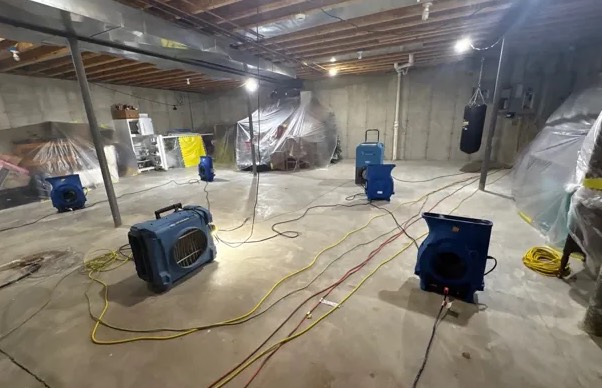
Industrial air movers and dehumidifiers are positioned strategically to dry wall cavities, subfloors, and structural members until readings return to normal.
Step 4: Final Moisture Verification
Professionals use moisture meters and sensors to confirm all materials are dry.
What Causes Hydrostatic Pressure Water Damage
Poor Exterior Drainage Systems
Clogged gutters, downspouts and poor grading send water toward the foundation, where it builds pressure in the soil.
High Water Table Levels
A high water table keeps steady pressure on the foundation and pushes water through cracks and joints.
Sump Pump Malfunction or Failure
A sump pump that fails cannot remove groundwater, so it builds up and floods the lower level.
Clogged or Collapsed Footing Drains
When perimeter drains clog or fail, water has nowhere to go and presses against the walls and slab.
Hydrostatic Pressure Water Removal for Foundation Protection
Residential Hydrostatic Pressure Water Removal
Persistent basement flooding from hydrostatic pressure can ruin furnaces, water heaters and stored items. The professionals dry the structure fully to prevent further damage.
Commercial Hydrostatic Pressure Water Removal
In multi-tenant buildings, groundwater cleanup has to be planned around other businesses. The pros coordinate access and drying to limit disruption.
Hydrostatic Pressure Water Removal: Why DIY Falls Short
If a plumbing leak may be adding to the water, shut off the main valve. Finding where groundwater enters and drying the structure takes meters and drying equipment.
What Influences Hydrostatic Pressure Water Removal Costs in Eatonton
In Eatonton, the price depends on the size of the wet area, how deep the water got and how many days of drying the structure needs.
Required Drying Time
The number of days the structure takes to dry is a large part of the cost.
Water Source Type
A slow slab seep and a sudden flood through a wall crack need different approaches and equipment.
Intrusion Severity
How deep the water is and how much keeps coming in decide how long extraction takes.
Does Insurance Cover Hydrostatic Pressure Water Removal?
Coverage for crawl space water often depends on the cause, such as groundwater versus a plumbing leak. The specialists in Putnam County document the water and damage for you to send to your insurer.
Selecting Local Pros for Hydrostatic Pressure Water Removal in Eatonton, GA
IICRC-Standard Drying Methods
Drying the structure fully after water intrusion protects the foundation and framing from lasting damage.
24/7 Emergency Response
Removing water from a flooded lower level early limits damage to framing and lowers the mold risk.
Focused Mitigation Planning
You get notes on where water came in, so you can plan drainage work with a contractor.
Urgent Hydrostatic Pressure Water Removal for Eatonton Homes
Drying after groundwater gets in starts with a call to (478) 779-1453. The specialists are available 24/7 in Eatonton to remove the water and set up drying.
Call Now (478) 779-1453Hydrostatic Pressure Water Removal in Eatonton and Other Areas Served
The places below are also served, and each one has its own page.
- Hydrostatic Pressure Water Removal in Monticello
- Hydrostatic Pressure Water Removal in Hillsboro
- Hydrostatic Pressure Water Removal in Milledgeville
- Hydrostatic Pressure Water Removal in Haddock
- Hydrostatic Pressure Water Removal in Greensboro
- Hydrostatic Pressure Water Removal in Gray
- Hydrostatic Pressure Water Removal in Juliette
- Hydrostatic Pressure Water Removal in Gordon
- Emergency Damage Restoration in 31024
- Storm Damage Restoration in 31024
- Water Damage Restoration in 31024
- Water Extraction Service in 31024
- Water Leak Detection in 31024
- Water Removal Service in 31024
Hydrostatic Pressure Water Removal in Eatonton: Your Questions
What does groundwater intrusion mitigation involve?
Removing the water, drying the structure and then, often, drainage or waterproofing work outside by a contractor.
How long does drying take after groundwater comes in?
Most jobs take several days of drying. Waterproofing repairs, if needed, are a separate job for a waterproofing contractor.
How does foundation water removal work?
Standing water is extracted, the structure is dried with dehumidifiers and air movers, and the place where water came in is noted.
What causes foundation crack water infiltration?
Usually water pressure from soaked soil, or settlement cracks that give groundwater a path into the building.
Will drying stop water from coming back?
No. Drying fixes the damage that is already there. Keeping water out takes drainage, grading or waterproofing work by a contractor.