Deepstep, GA · Washington County
Hydrostatic Pressure Water Removal in Deepstep, GABasement Hydrostatic Pressure Flooding & Wet Subfloor Removal
Hydrostatic Pressure Water Removal in Deepstep covers groundwater intrusion mitigation, wet subfloor removal and crawl space water extraction.
Answered 24/7
Local Pros for Hydrostatic Pressure Water Removal in Deepstep
Water forced through foundation cracks is rarely clean. It carries minerals and silt that stain concrete and rust metal, so surfaces are cleaned after the water is removed.
In Deepstep and nearby Sandersville, Tennille and Oconee, soaked soil can push water into basements and crawl spaces. Local hydrostatic pressure experts extract the water and dry the structure.
The Hydrostatic Pressure Water Removal Process in Deepstep
Basement Hydrostatic Pressure Flooding
Water pushed in by soil pressure is common in lower levels in Deepstep. Local hydrostatic pressure experts extract the standing water first, then note where it came in so a contractor can look at it.
Wet Subfloor Removal
The pros assess the damage, remove the compromised materials, and ensure the underlying joists are dry and sound before reconstruction.
Slab Seepage Water Removal
When water seeps up through a slab in Deepstep, flooring may need to be lifted so the concrete can dry. Pros explain what a foundation specialist should look at.
Sump Pump Failure Cleanup
When a sump pump fails, the lower level can flood quickly. Cleanup covers extraction, a look at why the pump failed and drying of the wet area.
Slab Leak Water Removal
When water comes up through a slab, it is extracted before it wicks into the walls, and the slab surface and nearby materials are dried.
Signs of Hydrostatic Pressure Water Damage in Deepstep
Spongy or Soft Spots on Floors
Damp spots or lifting flooring on a slab can mean water is coming up from below.
Water Seeping From Foundation Walls
Water seeping at the base of foundation walls means groundwater is being pushed in by pressure from the soil.
Efflorescence on Concrete Surfaces
White, chalky deposits on foundation walls or the slab show water has been pushing through the concrete.
Mold on Baseboards
Mold along baseboards or lower walls points to ongoing moisture coming through the foundation.
How Hydrostatic Pressure Water Removal Works in Deepstep
Step 1: Emergency Water Extraction
The experts use truck-mounted pumps to remove standing water from basements and crawl spaces.
Step 2: Foundation Leak Assessment
An inspection finds where groundwater is getting in and maps how far the water spread.
Step 3: Structural Drying Deployment
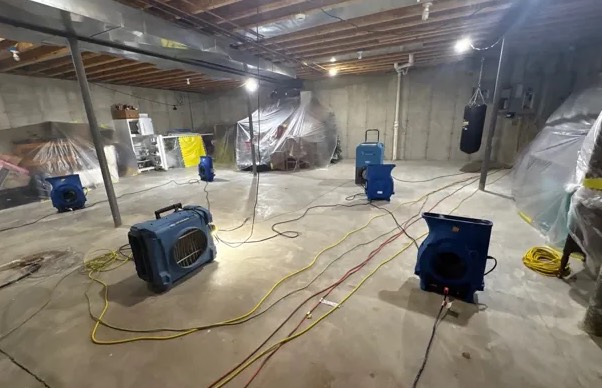
Industrial air movers and dehumidifiers are positioned strategically to dry wall cavities, subfloors, and structural members until readings return to normal.
Step 4: Final Moisture Verification
Professionals use moisture meters and sensors to confirm all materials are dry.
Common Causes of Water Damage in Deepstep
Sump Pump Malfunction or Failure
A sump pump that fails cannot remove groundwater, so it builds up and floods the lower level.
Foundation Settlement and Cracks
As a foundation settles, cracks form and give groundwater a direct path inside.
Soil Expansion and Contraction
Clay soil swells when wet, adding pressure on foundation walls and opening paths for water.
Failed or Missing Waterproofing
Worn exterior coatings or membranes let groundwater reach the foundation wall directly.
Hydrostatic Pressure Water Removal for Homes and Businesses in Deepstep
Residential Hydrostatic Pressure Water Removal
In homes, groundwater can ruin a finished basement, belongings stored there and the crawl space under the house. Removing it early limits mold and keeps more of the space usable.
Commercial Hydrostatic Pressure Water Removal
In stores and offices, water in a lower level is a safety issue. The pros remove it and dry the space so it can be used again.
Hydrostatic Pressure Water Removal: Why DIY Falls Short
Take photos and video of the damage from a safe spot for your insurance claim. Stay out of flooded areas with power still on, and let the pros handle the moisture mapping.
Hydrostatic Pressure Water Removal Cost in Deepstep, GA
Groundwater cleanup cost around Sandersville, Tennille and Oconee depends on how strong the pressure is, which materials are affected and how much waterproofing repair is needed.
Mitigation Measures
Drainage or waterproofing work to stop water from returning is a separate cost from the water removal.
Water Source Type
A slow slab seep and a sudden flood through a wall crack need different approaches and equipment.
Equipment Needs
Large pumps and industrial dehumidifiers for big jobs add to the equipment cost.
Does Insurance Cover Hydrostatic Pressure Water Removal?
Whether insurance covers foundation water removal depends on how your policy treats groundwater. The pros document the flooded area and the damage, and your insurer makes the final call.
Why Choose Local Pros for Hydrostatic Pressure Water Removal in Deepstep
Comprehensive Moisture Mapping
Moisture meters find water in subfloors and walls so every wet area gets dried.
Methodical Cleanup Process
Each step, from extraction to final readings, is done in order so nothing is left wet.
24/7 Emergency Response
Removing water from a flooded lower level early limits damage to framing and lowers the mold risk.
Around-the-Clock Help for Hydrostatic Flooding in Deepstep
If water is coming into your basement now, call (478) 779-1453 day or night. The experts in Deepstep can start extraction to limit the damage.
Call Now (478) 779-1453Hydrostatic Pressure Water Removal in Deepstep and Other Areas Served
Each place listed below has its own page with local details.
- Hydrostatic Pressure Water Removal in Sandersville
- Hydrostatic Pressure Water Removal in Tennille
- Hydrostatic Pressure Water Removal in Oconee
- Hydrostatic Pressure Water Removal in Toomsboro
- Hydrostatic Pressure Water Removal in Milledgeville
- Hydrostatic Pressure Water Removal in Abbeville
- Hydrostatic Pressure Water Removal in Rochelle
- Hydrostatic Pressure Water Removal in Chauncey
Hydrostatic Pressure Water Removal FAQs
What equipment is used for groundwater extraction?
Groundwater extraction uses submersible pumps for deep water, wet-dry vacuums for shallow flooding, and specialized extractors for under-slab water removal.
What does groundwater intrusion mitigation involve?
Removing the water, drying the structure and then, often, drainage or waterproofing work outside by a contractor.
How is hydrostatic pressure measured during flooding?
It is not measured directly. The depth of water and how fast it comes in show how much pressure the soil is putting on the foundation.
When is wet subfloor removal necessary?
When wood subflooring is so soaked that it cannot be dried, it is removed to prevent rot and a weak floor.
Can crawl space water extraction prevent mold?
Removing the water quickly and drying the crawl space fully takes away the moisture mold needs, which keeps it from starting.