Butler, GA · Taylor County
Hydrostatic Pressure Water Removal in Butler, GACrawl Space Water Extraction & Groundwater Intrusion Mitigation
Hydrostatic Pressure Water Removal in Butler covers groundwater intrusion mitigation, wet subfloor removal and crawl space water extraction.
Answered 24/7
Local Pros for Hydrostatic Pressure Water Removal in Butler
In Butler areas where the water table rises in wet seasons, groundwater presses on foundation walls and can seep inside.
In Butler and nearby Reynolds, Junction City and Ideal, soaked soil can push water into basements and crawl spaces. Local groundwater extraction specialists extract the water and dry the structure.
Detailed Hydrostatic Pressure Water Removal Methods
Crawl Space Water Extraction
A wet crawl space is a hidden problem that can lead to mold and wood rot.
Groundwater Intrusion Mitigation
Moisture readings and entry points are recorded during the work, which helps plan both the drying and any drainage changes outside.
Basement Hydrostatic Pressure Flooding
For properties in Butler, the initial response typically involves high-capacity pumping to remove standing water from lower levels.
Structural Drying After Intrusion
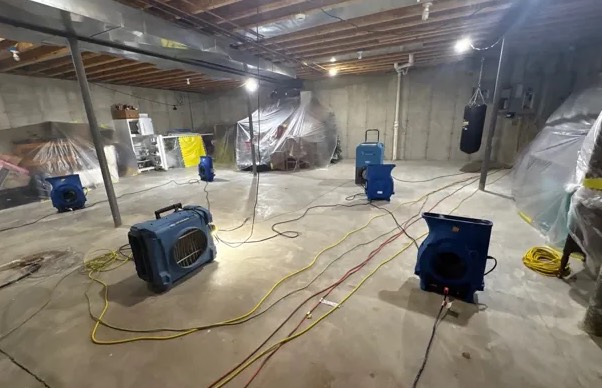
After water is pushed inside, air movers and dehumidifiers dry the wood, concrete and drywall it reached so rot and mold do not start.
Wet Subfloor Removal
Subfloor that stayed soaked after a groundwater flood may have to be removed. The water is extracted, the damaged sections cut out and the area dried for new material.
Signs of Hydrostatic Pressure Water Damage in Butler
Mold on Baseboards
Mold along baseboards or lower walls points to ongoing moisture coming through the foundation.
Visible Cracks in Foundation Floors
New or widening cracks in a basement slab can let groundwater in when the soil is wet.
Warped or Buckling Flooring
Flooring that warps or buckles near walls can mean water is coming up from below and the subfloor is wet.
Gurgling Sounds From Floor Drains
Gurgling floor drains during heavy rain can mean water pressure is building in the drain lines around the house.
How Hydrostatic Pressure Water Removal Works in Butler
Step 1: Emergency Water Extraction
Local groundwater extraction specialists use truck-mounted pumps to remove standing water from basements and crawl spaces.
Step 2: Foundation Leak Assessment
An inspection finds where groundwater is getting in and maps how far the water spread.
Step 3: Structural Drying Deployment
Industrial air movers and dehumidifiers are positioned strategically to dry wall cavities, subfloors, and structural members until readings return to normal.
Step 4: Final Moisture Verification
Professionals use moisture meters and sensors to confirm all materials are dry.
Sources Requiring Hydrostatic Pressure Water Removal
Sump Pump Malfunction or Failure
A sump pump that fails cannot remove groundwater, so it builds up and floods the lower level.
High Water Table Levels
A high water table keeps steady pressure on the foundation and pushes water through cracks and joints.
Poor Exterior Drainage Systems
Clogged gutters, downspouts and poor grading send water toward the foundation, where it builds pressure in the soil.
Foundation Settlement and Cracks
As a foundation settles, cracks form and give groundwater a direct path inside.
Hydrostatic Pressure Water Removal for Foundation Protection
Residential Hydrostatic Pressure Water Removal
In homes, groundwater pushed through a wall or slab can soak flooring and drywall. Fast extraction and drying keep the damage from spreading to walls and stored items.
Commercial Hydrostatic Pressure Water Removal
Restaurants, medical offices, and other sensitive environments require meticulous groundwater extraction and sanitization after water intrusion. The pros ensure these spaces meet strict hygiene standards.
Hydrostatic Pressure Damage: DIY Risks vs. Professional Hydrostatic Pressure Water Removal
Checking known foundation cracks for changes in width or new moisture is a reasonable DIY task. If water starts flowing through any crack, stop monitoring and call for water removal and repair right away.
Hydrostatic Pressure Water Removal Cost in Butler, GA
The cost of hydrostatic pressure water removal in Butler depends on how much of the lower level flooded and how much water came in.
Structural Complexity
Tight crawl spaces and complex foundations make water removal and drying slower.
Material Saturation Level
Deeply soaked subflooring or wet foundation walls need more extraction and dehumidification.
Water Source Type
A slow slab seep and a sudden flood through a wall crack need different approaches and equipment.
Does Insurance Cover Hydrostatic Pressure Water Removal?
Coverage for structural drying depends on your policy's limits and exclusions. The specialists provide moisture maps and drying logs, so check the details with your agent.
The Value of Local Pros for Hydrostatic Pressure Water Removal
Targeted Groundwater Extraction
Equipment made for tight spaces removes water from crawl spaces and around slabs.
Sump Pump System Evaluation
After a sump pump failure, the pros help you understand why it failed so a plumber can fix it.
Comprehensive Moisture Mapping
Moisture meters find water in subfloors and walls so every wet area gets dried.
Round-the-Clock Hydrostatic Pressure Water Removal in Butler, GA
Drying after groundwater gets in starts with a call to (478) 779-1453. The specialists are available 24/7 in Butler to remove the water and set up drying.
Call Now (478) 779-1453Hydrostatic Pressure Water Removal for Butler and Nearby Communities
The specialists provide hydrostatic pressure water removal for homes in Butler and nearby Reynolds, Junction City and Ideal, for flooded lower levels and groundwater seepage.
- Hydrostatic Pressure Water Removal in Reynolds
- Hydrostatic Pressure Water Removal in Junction City
- Hydrostatic Pressure Water Removal in Ideal
- Hydrostatic Pressure Water Removal in Roberta
- Hydrostatic Pressure Water Removal in Geneva
- Hydrostatic Pressure Water Removal in Marshallville
- Hydrostatic Pressure Water Removal in Talbotton
- Hydrostatic Pressure Water Removal in Fort Valley
- Emergency Damage Restoration in 31006
- Storm Damage Restoration in 31006
- Water Damage Restoration in 31006
- Water Extraction Service in 31006
- Water Leak Detection in 31006
- Water Removal Service in 31006
Hydrostatic Pressure Water Removal FAQs
Will drying stop water from coming back?
No. Drying fixes the damage that is already there. Keeping water out takes drainage, grading or waterproofing work by a contractor.
How long does drying take after groundwater comes in?
Most jobs take several days of drying. Waterproofing repairs, if needed, are a separate job for a waterproofing contractor.
What does groundwater intrusion mitigation involve?
Removing the water, drying the structure and then, often, drainage or waterproofing work outside by a contractor.
What equipment is used for groundwater extraction?
Groundwater extraction uses submersible pumps for deep water, wet-dry vacuums for shallow flooding, and specialized extractors for under-slab water removal.
What is included in structural water damage restoration?
Water extraction, drying, cleaning and replacing materials that groundwater or flood water damaged beyond drying.