Byron, GA · Peach County
HVAC Leak Water Removal in Byron, GAMoisture Remediation For HVAC Systems & HVAC Cabinet Water Extraction
HVAC Leak Water Removal in Byron includes emergency HVAC leak cleanup, wet insulation removal near HVAC and coil leak water damage repair.
Answered 24/7
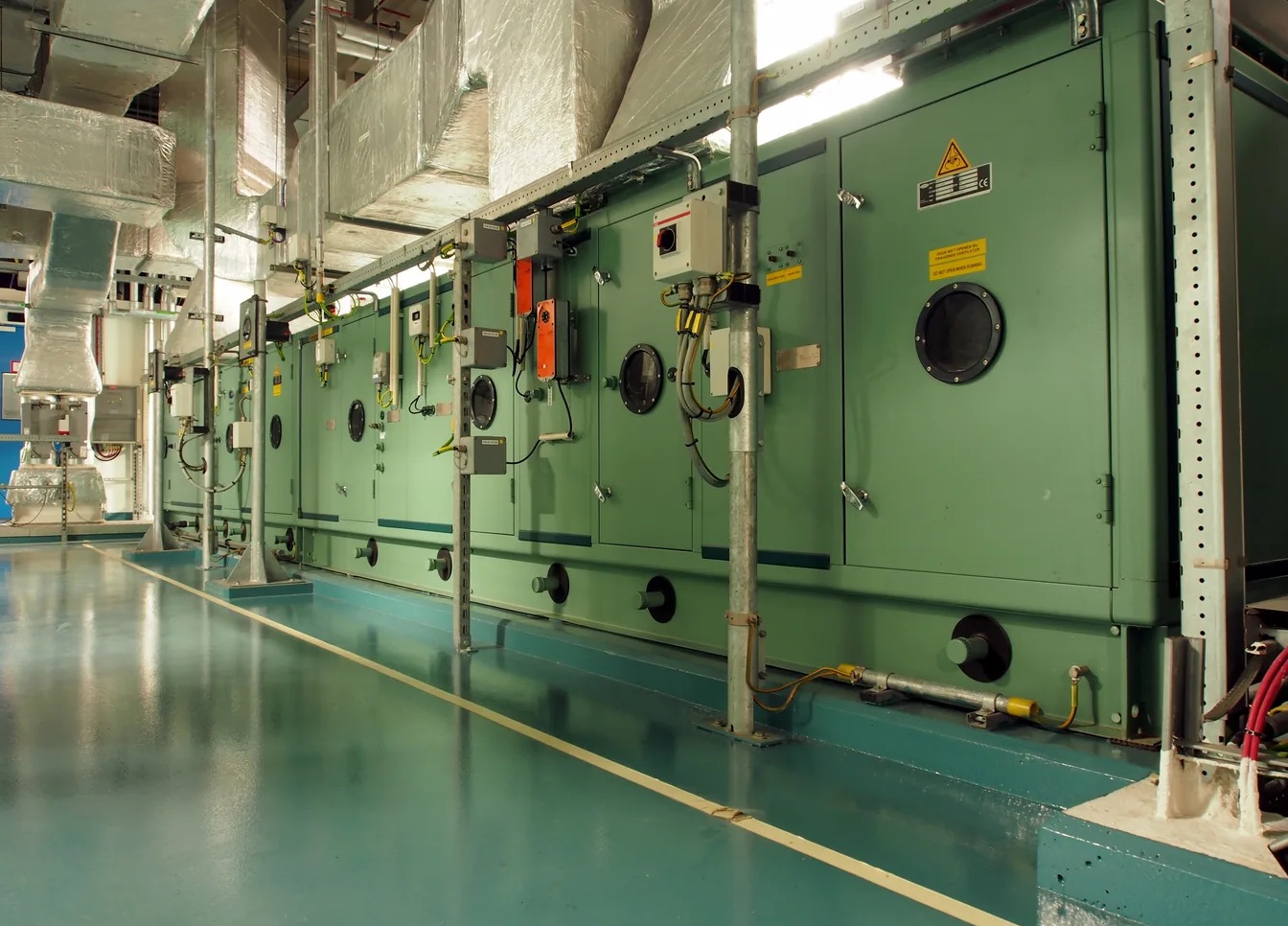
Professional HVAC Leak Water Removal in Byron, GA
Most air conditioner water damage in Byron starts with a clogged drain line or a cracked pan. The leak is often slow, so drywall, flooring and insulation soak for days before anyone sees a stain.
When an HVAC leak occurs in Byron, water needs to come out quickly to protect interior finishes and electrical systems. Local water removal pros serve this community and nearby areas like Centerville, Walden and Avondale, extracting water around the unit and drying wet ductwork before damage spreads.
Complete HVAC Leak Water Removal Services for Byron
Moisture Remediation for HVAC Systems
Once the leak stops, dehumidifiers and air movers are placed to dry the air handler closet, nearby ducts and the room, following industry drying standards.
HVAC Cabinet Water Extraction
Water pooled inside a furnace or air handler cabinet is removed after the power is off, which protects the blower motor and the control board.
Coil Leak Water Damage Repair
A pinhole coil leak causes slow, persistent water damage, warping flooring over time. Repair involves water extraction, drying, and addressing damaged subfloor.
Ductwork Condensation Water Removal
Cold air inside ducts meeting warm, humid air causes sweating and droplets. Condensation soaks insulation and damages ceiling materials.
HVAC Drain Line Flood Cleanup
A broken drain line can flood a mechanical room or closet. The water is contained and extracted before it reaches flooring and equipment nearby.
Red Flags for HVAC Leak Water Removal in Byron
Musty Odors Near Air Vents
A musty smell when the system runs can point to wet insulation or mold inside the unit or ducts.
Condensation Dripping From Ducts
Water droplets or streaks on metal ductwork mean the ducts are sweating, and the water is landing somewhere below.
Visible Rust on Metal Components
Rust forming on the evaporator coil cabinet, drain pan, or supports indicates prolonged moisture exposure.
Unusual Sounds From the AC Unit
Gurgling, dripping, or hissing noises from the indoor unit frequently accompany a condensate drainage failure.
How HVAC Leak Water Removal Works in Byron
Step 1: Water Removal Initiation
The pros use pumps and wet vacuums to remove the bulk water from a flooded drain line area.
Step 2: Detailed Moisture Detection
Meters and thermal cameras check concealed spaces so no wet spot behind a wall or above a ceiling is missed.
Step 3: Controlled Drying Environment
Professionals create a controlled environment with dehumidifiers and air movers to dry wet ductwork, insulation and building materials.
Step 4: Final Clearance and Prevention Advice
A final check confirms everything is dry, and you get tips on keeping the condensate drain clear.
Common Causes of HVAC Water Damage in Byron
Excessive Ductwork Condensation
Poorly insulated ducts in humid spaces sweat and drip water into walls, ceilings and insulation.
Failed Condensate Pump
A condensate pump that fails in an attic or utility room cannot move water to the drain, so the reservoir overflows.
Refrigerant Leak at the Coil
A pinhole leak in the evaporator coil itself can allow refrigerant and moisture to escape simultaneously.
High Static Pressure in Ducts
An oversized system or closed vents can upset airflow and drainage, so condensate does not drain as it should.
HVAC Leak Water Removal for Homes & Businesses in Byron
Residential HVAC Leak Water Removal
In homes, an AC condensate leak can rot subfloor and baseboards if it is left. The pros dry the tight spaces around the unit and record the damage for insurance.
Commercial HVAC Leak Water Removal
A flooded HVAC unit in a commercial building needs a coordinated response. The pros manage large-volume extraction, coordinate with facility managers, and implement drying protocols.
HVAC Leak Water Removal: DIY Risks and Pro Solutions in Byron
A hygrometer can show if indoor humidity is too high, and keeping supply vents open helps airflow. If you see mold inside ducts or smell something musty, DIY cleaning will not reach it. Call (478) 779-1453 for drying help.
HVAC Leak Water Removal Pricing Considerations in Byron
Calls at night or on weekends can change the rate for HVAC leak water removal. Dirty water from a drain line also adds cleaning steps to the job.
Extent of Water Spread
Water from a leaking AC can travel along ducts and inside walls, which makes the drying area larger.
Affected Components and Materials
Wet insulation, damaged ductwork or wiring near the flooded unit each add work to the job.
Post-Extraction Repairs
Some jobs need small drain line or insulation repairs after drying, which are priced separately.
Does Insurance Cover HVAC Leak Water Removal?
AC unit water damage coverage hinges on the leak source. Sudden failures like a burst drain line may be covered, while gradual neglect often is not. Homeowners should confirm specifics with their insurer.
Benefits of Local Water Damage Pros for HVAC Leak Water Removal in Byron
Focused on System Integrity
The goal is a dry unit area and dry materials around it, so the system can run safely again.
IICRC-Standard Drying Methods
Drying follows industry standards so the unit area, ducts and walls are dry before the system runs again.
Precision Wet Insulation Removal
Wet insulation near the unit is removed so it does not hold water against framing and grow mold.
Urgent HVAC Leak Water Removal Response in Byron
Water flowing from your HVAC system requires fast action to prevent costly secondary damage. For emergency HVAC water extraction in Byron, call (478) 779-1453 anytime.
Call Now (478) 779-1453HVAC Leak Water Removal Coverage for Byron, Centerville, Walden and Avondale
Help with HVAC leak water removal is available in Byron and nearby Centerville, Walden and Avondale, for water from AC units, drain lines and ducts.
- HVAC Leak Water Removal in Centerville
- HVAC Leak Water Removal in Walden
- HVAC Leak Water Removal in Avondale
- HVAC Leak Water Removal in Sofkee
- HVAC Leak Water Removal in Rutland
- HVAC Leak Water Removal in Fort Valley
- HVAC Leak Water Removal in Warner Robins
- HVAC Leak Water Removal in Lizella
- Emergency Damage Restoration in 31008
- Storm Damage Restoration in 31008
- Water Damage Restoration in 31008
- Water Extraction Service in 31008
- Water Leak Detection in 31008
- Water Removal Service in 31008
HVAC Leak Water Removal FAQs
How long does wet ductwork drying typically take?
It depends on how much water there is and how easy it is to reach. Most jobs take two to four days of drying with commercial equipment.
How quickly should I address AC unit water damage?
As soon as you see it. Water can reach wiring and soak drywall and insulation, and mold can start within a day or two in wet materials.
Why is quick action critical for a flooded HVAC unit?
Water can damage the unit's wiring, rust metal parts and soak into walls and floors, which makes repairs larger and more expensive.
Is emergency HVAC leak cleanup necessary?
It is when water is spreading. Removing it early keeps it from reaching walls, ceilings and the rooms nearby, which keeps the damage smaller.
What is HVAC cabinet water extraction?
It means removing water that has pooled inside the metal cabinet around the furnace or air handler, which protects the blower motor and controls.