Griswoldville, GA · Jones County
Frozen Pipe Water Removal in Griswoldville, GAWater Damage Restoration & Emergency Flood Cleanup
Frozen Pipe Water Removal in Griswoldville handles emergency water removal, frozen pipe damage repair and water damage restoration.
Answered 24/7
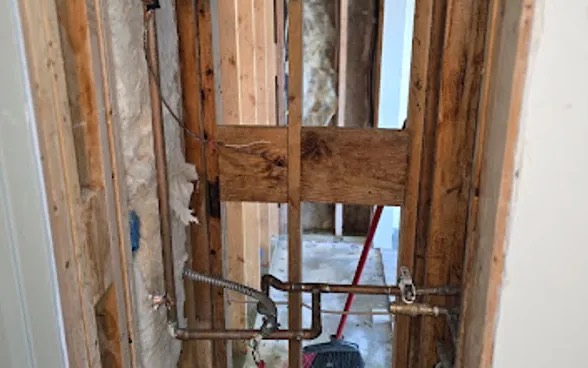
Frozen Pipe Water Removal for Griswoldville Homes
In Griswoldville, water from a burst pipe warps wood and loosens flooring glue. The longer it sits, the more rooms and materials are involved.
Frozen pipe water removal for properties in Griswoldville addresses the immediate danger of water intrusion from burst pipes. Services also extend to nearby places like Dry Branch, Franklinton and Macon, ensuring broad coverage for urgent needs.
Detailed Frozen Pipe Water Removal Offerings in Griswoldville
Water Damage Restoration
Water damage restoration is the full-scope process following a frozen pipe burst, encompassing water extraction, drying, cleaning, and repair.
Emergency Flood Cleanup
When a burst pipe floods a room, the water is extracted, ruined items are removed and cleaning begins so the space is safe.
Emergency Water Removal
Help is available 24/7 after a frozen pipe bursts. The water is removed quickly to limit damage to floors and walls and to keep mold from starting.
Burst Pipe Water Cleanup
Cleanup after frozen pipe water removal is detailed. It involves sanitizing, removing ruined materials and preparing surfaces for drying.
Frozen Pipe Damage Repair
Repair is the last step. Drywall is patched, trim reinstalled and repaired areas finished to match the rest of the room.
Indicators of Frozen Pipe Water Damage in Griswoldville
Unexplained Puddles on Floors
Standing water or damp patches on floors, especially near exterior walls, can point to a hidden burst pipe.
Wet Insulation in Crawlspaces
Soggy, flattened insulation near pipes usually means a slow leak has been dripping for a while.
Bulging or Sagging Drywall
Warped, soft or discolored wall surfaces mean the wall has absorbed water and needs drying from inside.
Water Stains on Ceilings
Brownish rings or damp spots on ceilings often mean a pipe above has split and is leaking.
How Frozen Pipe Water Removal Works in Griswoldville
Step 1: Water Removal Response
Local water damage restoration pros stop the water at the source, then extractors remove the standing water.
Step 2: Moisture Mapping and Inspection
Thermal cameras and probes check behind walls and under floors, and the readings guide the drying plan.
Step 3: Advanced Drying Techniques
Air movers, dehumidifiers and wall cavity drying systems are set up to dry walls and framing.
Step 4: Final Verification and Documentation
Before the job ends, readings confirm everything is dry and moisture logs are provided for your claim.
Why Pipes Freeze and Burst in Griswoldville
Inadequate Pipe Insulation
Pipes in attics, garages or crawl spaces without insulation freeze first and are the most likely to burst.
Sudden Winter Temperature Drops
Sudden cold snaps make water inside pipes freeze and expand, and the pipe splits where it is weakest.
Corrosion and Pipe Age
Older galvanized or copper pipes deteriorate over time, becoming thin and prone to pinhole leaks.
Improperly Sealed Wall Penetrations
Gaps where pipes enter the house let cold air in and chill the lines until they freeze.
Frozen Pipe Water Removal for All Properties in Griswoldville
Residential Frozen Pipe Water Removal
In homes, when an attic pipe bursts, the soaked insulation is removed because it no longer insulates. The water is extracted and the rafters and sheathing are dried so they do not rot.
Commercial Frozen Pipe Water Removal
In strip malls and buildings with several tenants, water from a burst pipe can move between units. Moisture mapping shows which spaces got wet, and each one is dried and documented.
Frozen Pipe Water Removal vs. DIY: When to Call the Pros
While you wait for help, you can remove easily accessible water with a wet-dry vacuum from hard surfaces like tile or concrete, if the power to that area is off. Move furniture and rugs from the wet area and place aluminum foil under furniture legs.
Understanding Frozen Pipe Water Removal Pricing in Griswoldville
In Griswoldville, the cost depends on how bad the burst was, whether mold prevention is needed and how long the job runs.
Mold Prevention Measures
Antimicrobial treatment and extra drying to prevent mold add to the total.
Structural Material Impact
Drywall, insulation, hardwood and subfloor each dry differently and need different methods.
Contamination Level
Clean water from a supply line is simpler than gray water or contaminated floodwater.
Does Insurance Cover Frozen Pipe Water Removal?
For a burst pipe, your insurer typically needs proof of the damage. Local water damage restoration pros in Griswoldville provide the necessary evidence, like moisture maps, for your claim file. Coverage determinations are made by the insurance company, not the pros.
Benefits of Local Pros for Frozen Pipe Water Removal in Griswoldville
Structural Drying Expertise
Drywall, wood and concrete dry at different rates, and the drying plan accounts for each.
Comprehensive Drying Methods
Industrial air movers and dehumidifiers create steady airflow that dries walls, floors and framing fully.
24/7 Emergency Response
The pros can be reached around the clock to start extraction and limit the damage.
Emergency Frozen Pipe Water Removal Available in Griswoldville
If you have a burst pipe emergency, contact the pros in Griswoldville at (478) 779-1453 for 24/7 water extraction and flood cleanup services. Pros respond to remove the water and assess the damage.
Call Now (478) 779-1453Frozen Pipe Water Removal Service Area Including Griswoldville
Other places served are listed below, each with its own page.
- Frozen Pipe Water Removal in Dry Branch
- Frozen Pipe Water Removal in Franklinton
- Frozen Pipe Water Removal in Macon
- Frozen Pipe Water Removal in Gordon
- Frozen Pipe Water Removal in Gray
- Frozen Pipe Water Removal in Elko
- Frozen Pipe Water Removal in Lizella
- Frozen Pipe Water Removal in Jeffersonville
Frozen Pipe Water Removal FAQs
Is burst pipe repair handled?
A plumber repairs the broken pipe, and the pros start drying once the water is shut off.
Why is moisture inspection necessary?
Moisture meters find hidden water in cavities and under materials, so drying continues until everything is dry.
How should water extraction begin?
Within hours if you can. Starting early limits damage to the structure and lowers the risk of mold in wet materials.
What equipment is used for drying?
Air movers, dehumidifiers and sometimes floor drying mats or wall cavity injectors, depending on what got wet.
How does water damage restoration work?
Extraction, drying, cleaning and a final moisture check that confirms the area is dry.