Orchard Hill, GA · Spalding County
Floodwater Removal in Orchard Hill, GAFlood Damaged Drywall Removal & Flooded Basement Water Extraction
Floodwater Removal in Orchard Hill covers storm flood water pumping, flood damaged drywall removal and contaminated floodwater removal.
Answered 24/7
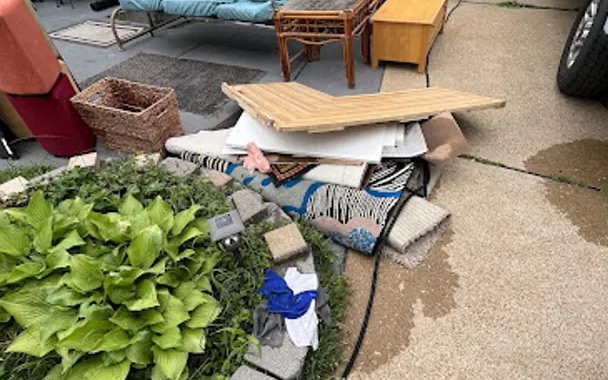
Floodwater Removal for Orchard Hill Homes and Businesses
In Orchard Hill, floodwater soaks floors, drywall and belongings and starts mold within a day or two. Getting it out quickly limits how much has to be torn out.
In Orchard Hill, local water extraction experts remove contaminated floodwater and dry the home, and they also work in nearby communities such as Milner, Griffin and Williamson, at any hour.
Complete Floodwater Removal Services in Orchard Hill
Flood Damaged Drywall Removal
In Orchard Hill homes, flood-damaged drywall often needs to be removed. Pros systematically take out wet panels, which allows for proper drying of the wall studs and cavity.
Flooded Basement Water Extraction
Standing water in a basement can compromise its structural integrity. The initial floodwater removal phase focuses on pumping and extraction to eliminate the water source.
Flooded Room Drying Services
Restoration pros implement a detailed drying plan using commercial-grade equipment to manage humidity and airflow. This service stabilizes the environment and safeguards the structure from long-term moisture issues.
Emergency Flood Damage Mitigation
Flood damage mitigation is about thorough action to minimize loss. This emergency service includes stopping the water source if possible, extracting standing water, and implementing temporary protective measures.
Contaminated Floodwater Removal
Contaminated floodwater leaves behind pollutants on surfaces. The cleanup service includes agitating and removing silt, mud, and other debris from floors and walls.
Common Signals for Floodwater Removal in Orchard Hill
Sewage Backflow or Contaminated Water
Sewage or contaminated floodwater is a health risk and needs protective gear and disinfection to clean up.
Bowed or Buckling Flooring
Sagging or soft walls and floors after a flood mean the structure is soaked and needs drying soon.
Swollen or Warped Baseboards
Swollen baseboards show the walls soaked up water and need to be checked.
Mold or Mildew
Mold or mildew after a flood means materials stayed wet too long and need cleanup and drying.
How Floodwater Removal Works in Orchard Hill
Step 1: 24/7 Emergency Flood Damage Mitigation
The pros first stop the water source and protect unaffected rooms. This includes extracting water and setting up containment if needed.
Step 2: Comprehensive Floodwater Extraction
Submersible pumps and extractors remove all the floodwater before the drying starts.
Step 3: Flood Damaged Drywall Removal
Drywall that cannot be saved is removed so the wall cavities can dry and mold does not start.
Step 4: Moisture Monitoring and Verification
Moisture is checked daily, and equipment is moved until the property is fully dry.
Typical Sources of Floodwater Damage in Orchard Hill
Sewer System Backup
Municipal sewer backups or overwhelmed septic systems can push contaminated water into a home through floor drains and toilets.
Natural Waterway Overflow
Rivers, creeks or lakes overflowing their banks can push floodwater into nearby properties.
Clogged or Faulty Gutters
Clogged gutters let water pool next to the foundation, where it seeps into basements.
Burst or Leaking Pipes
A burst water pipe can release hundreds of gallons quickly, causing extensive flood damage.
Residential & Commercial Floodwater Removal in Orchard Hill
Residential Floodwater Removal
Emergency flood cleanup becomes urgent when flood damage affects a home. The experts pump out basements and pull soaked carpet to limit further harm.
Commercial Floodwater Removal
Commercial buildings with large-scale flooding need large pumps, extractors and dehumidifiers to clear and dry the space. In retail spaces, the experts remove sewage and contaminated floodwater, then run industrial drying to protect stock and fixtures.
When to Call the Pros for Floodwater Removal in Orchard Hill
Towels or plastic at doorways can help keep water out of dry rooms. Removing a lot of water quickly takes pumps and extractors, and waiting raises the risk of mold and rot.
Factors Influencing Floodwater Removal Cost in Orchard Hill
How much pumping is needed and how much hidden moisture is in walls and floors will shape your final cost.
Additional Restoration Services
Follow-up work like antimicrobial treatment or cleaning contents adds to the total.
Extent of Standing Water
How much water there is and how many areas are wet decide how long pumping and extraction take.
Emergency Service Timing
A night or weekend call may carry after-hours labor rates for the first extraction.
Does Insurance Cover Floodwater Removal?
If storm water had to be pumped out, check whether you have storm damage coverage or a flood policy. Standard homeowners insurance often excludes this. The decision on what is covered rests solely with your insurance provider.
Benefits of Local Pros for Floodwater Removal in Orchard Hill
Material Removal and Disposal
Wet carpet and drywall that cannot be saved are removed and hauled away.
Advanced Moisture Detection
Moisture meters and thermal cameras find hidden dampness in walls and subfloors.
24/7 Emergency Response
The experts can be reached around the clock to start removing water.
Around-the-Clock Emergency Floodwater Removal in Orchard Hill
Don't wait with contaminated floodwater in your home. For urgent water extraction service and storm flood water pumping in Orchard Hill, reach the pros at (478) 779-1453.
Call Now (478) 779-1453Local Floodwater Removal Coverage for Orchard Hill
Floodwater removal services are critical for properties in Orchard Hill and surrounding communities. From flooded basements to storm water, the experts serve Orchard Hill, Milner, Griffin and Williamson.
- Floodwater Removal in Milner
- Floodwater Removal in Griffin
- Floodwater Removal in Williamson
- Floodwater Removal in Zebulon
- Floodwater Removal in Barnesville
- Floodwater Removal in Concord
- Floodwater Removal in Jackson
- Floodwater Removal in Molena
- Emergency Damage Restoration in 30266
- Storm Damage Restoration in 30266
- Water Damage Restoration in 30266
- Water Extraction Service in 30266
- Water Leak Detection in 30266
- Water Removal Service in 30266
Common Floodwater Removal FAQs for Orchard Hill
Is storm flood water pumping a typical part of floodwater removal?
Yes. Submersible pumps remove large amounts of standing water after storms, which is the first step in cleanup.
What equipment is used for water extraction service?
Submersible pumps for deep water, truck-mounted or portable extractors for carpet, and air movers and dehumidifiers for drying.
What happens after the floodwater is pumped out?
Drying takes over: equipment is set up, readings are taken each day and any repairs are planned for after the property is dry.
How does sewage flood cleanup differ?
Sewage cleanup needs protective gear, antimicrobial treatment and usually more removal of contaminated materials than clean water does.
What should I do before floodwater removal starts?
If it is safe, turn off power to the area, move small valuables and stay out of contaminated water. Do not use wet electronics.