Fort Valley, GA · Peach County
Emergency Water Extraction in Fort Valley, GAStanding Water Removal & Emergency Water Damage Cleanup
Get emergency water extraction in Fort Valley for sewage backup cleanup, standing water removal and emergency water damage cleanup.
Answered 24/7
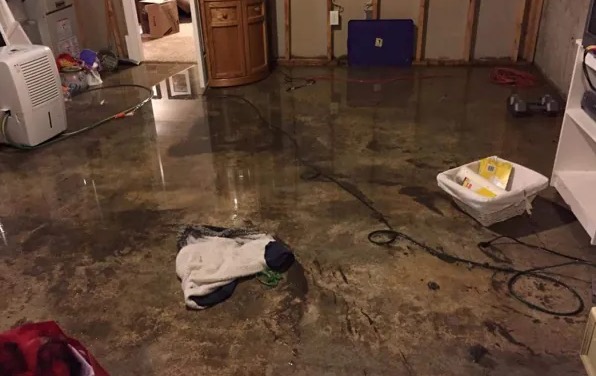
Professional Emergency Water Extraction in Fort Valley, GA
Carpet is often the first thing soaked in a Fort Valley water emergency. Fast extraction with weighted tools pulls water from carpet and pad and gives the carpet a good chance of being saved.
Property owners in Fort Valley can call (478) 779-1453 day or night when water starts spreading. Service also covers Marshallville, Byron and Perry, with the same extraction and drying steps.
The Emergency Water Extraction Process for Fort Valley Properties
Standing Water Removal
Removing standing water quickly is what keeps a single wet room from turning into several.
Emergency Water Damage Cleanup
Wet rugs, boxes and debris are cleared, and surfaces touched by dirty water are cleaned before drying starts.
Emergency Flood Water Extraction
Floodwater from outside is treated as contaminated, so extraction is followed by removal of soaked porous materials and cleaning.
Sewage Backup Cleanup
Sewage that backed up through drains or toilets is extracted with protective gear, and the area is contained from clean rooms.
Wet Drywall Water Removal
Small holes near the base of the wall let dry air into the cavity, which dries the studs and back of the drywall.
When to Call for Emergency Water Extraction in Fort Valley
Bubbling Paint or Wallpaper
Paint or wallpaper that bubbles has water behind it, often from a leak inside the wall.
Visible Standing Water
Standing water anywhere inside needs extraction right away, before it soaks into walls, cabinets and subfloors.
Sump Pump Failure or Overflow
A sump pit that is full or overflowing means groundwater is about to spread across the lower level.
Musty or Damp Odors
A damp or musty smell after a leak means water is still trapped in carpet, walls or subfloor.
How Emergency Water Extraction Works in Fort Valley
Step 1: Call for 24/7 Water Extraction
You call any hour, and advice is given on shutting off water and power before work starts.
Step 2: On-Scene Analysis and Plan
The source, the type of water and the wet area are checked, and the extraction plan is set.
Step 3: Primary Flood Water Extraction
Pumps and extractors remove standing water, starting with the deepest and most damaging areas.
Step 4: Detailed Documentation Phase
Photos and moisture readings record the damage, and drying equipment is placed for the next phase.
Common Causes of Water Damage in Fort Valley
Fire Suppression System Activation
Damaged or triggered fire sprinkler heads can soak a room or a whole floor quickly.
HVAC System Condensation Issues
Clogged AC condensate lines overflow into closets, attics and the ceilings of rooms below.
Burst or Leaking Pipes
Pipes can crack or burst from age, pressure or cold weather, releasing water fast.
Appliance Malfunctions and Overflows
Washers, dishwashers, water heaters and refrigerator lines fail and flood the floor around them.
Both Residential & Commercial Emergency Water Extraction in Fort Valley
Residential Emergency Water Extraction
Families often want to save carpet and flooring. Fast extraction of clean water makes that possible in many cases.
Commercial Emergency Water Extraction
Property managers with several units get separate extraction and drying records, with photos, for each affected unit or suite.
Professional Emergency Water Extraction Over DIY in Fort Valley
Shutting off the main water, turning off power to wet rooms and moving belongings are the right first steps. Call local water removal experts as soon as water has reached carpet, walls or more than one room.
Factors Influencing Emergency Water Extraction Cost in Fort Valley, GA
Plumbing and roof repairs are separate from extraction and drying. In Fort Valley, they follow once the water is out and the structure is dry.
Depth of Standing Water
Deep standing water needs pumping before extraction, which adds time and equipment.
Water Source and Type
Clean water costs less to extract and dry than sewage or floodwater, which needs disinfection.
Necessary Demolition Work
Carpet pad, drywall and flooring that must be removed add labor and disposal costs.
Does Insurance Cover Emergency Water Extraction?
Water from outside flooding usually needs a separate flood policy. Water from a broken pipe or appliance inside is more often covered by a standard policy.
Benefits of Local Emergency Water Extraction in Fort Valley
Sewage Safety
Sewage is extracted with protective gear, and contaminated areas are cleaned and disinfected.
Contained Removal
Wet drywall and flooring are removed inside plastic containment to keep dust out of clean rooms.
Industry Drying Standards
Extraction and drying follow industry water damage standards, with readings at every visit.
Always-Available Emergency Water Extraction for Fort Valley
Pipe burst or toilet overflowing? Call (478) 779-1453 now for emergency water extraction in Fort Valley and get the water out before it reaches more rooms.
Call Now (478) 779-1453Local Emergency Water Extraction Coverage for Fort Valley, Marshallville, Byron and Perry
Emergency water extraction also covers homes and businesses in Marshallville, Byron and Perry, close to Fort Valley, day or night.
- Emergency Water Extraction in Marshallville
- Emergency Water Extraction in Byron
- Emergency Water Extraction in Perry
- Emergency Water Extraction in Reynolds
- Emergency Water Extraction in Centerville
- Emergency Water Extraction in Roberta
- Emergency Water Extraction in Warner Robins
- Emergency Water Extraction in Lizella
- Emergency Damage Restoration in 31030
- Storm Damage Restoration in 31030
- Water Damage Restoration in 31030
- Water Extraction Service in 31030
- Water Leak Detection in 31030
- Water Removal Service in 31030
Common Emergency Water Extraction Questions Answered
What follows the initial emergency water extraction?
Structural drying with air movers and dehumidifiers, daily readings and repairs once the building is dry.
What is moisture inspection and why is it needed?
Checking walls, floors and ceilings with meters and thermal cameras to find water that is not visible after extraction.
Can water extraction prevent mold after a flood?
Fast extraction and drying are the main ways to keep mold from starting after a flood.
What is the process for flood water extraction?
Make power safe, pump out deep water, extract floors and carpet, remove contaminated materials and dry the structure.
How should flood water extraction begin?
As soon as the source is stopped and power is safe. Water soaks deeper into materials every hour it sits.