Franklinton, GA · Bibb County
Commercial Water Damage Restoration in Franklinton, GARestaurant Flood Cleanup & Warehouse Water Extraction
Get commercial water damage restoration in Franklinton for industrial water damage repair, warehouse water extraction and commercial mold prevention.
Answered 24/7
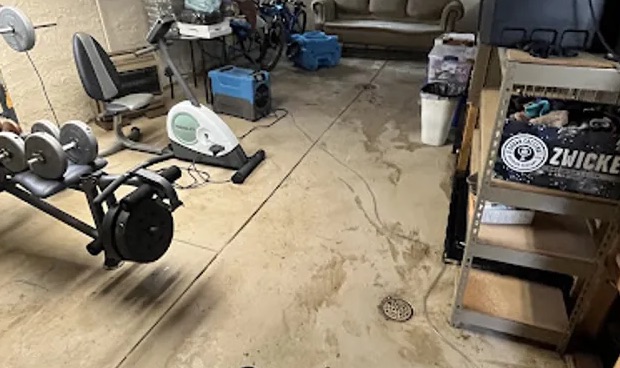
Professional Commercial Water Damage Restoration in Franklinton, GA
Water damage at a business costs twice: once for the repairs and again for every day the doors are closed. In Franklinton, commercial water damage restoration focuses on getting water out and drying the space so work can continue.
In Franklinton, many commercial water calls follow roof leaks, sprinkler problems or restroom overflows. Local commercial water removal experts serve Franklinton, Dry Branch, Griswoldville and Macon, working to reopen spaces quickly.
Commercial Water Damage Services for Franklinton
Restaurant Flood Cleanup
Kitchen equipment, coolers and dining areas are checked, and areas that touch food are cleaned before the restaurant reopens.
Warehouse Water Extraction
Pallets, racking and stock sitting in water are moved or raised first, so extraction can reach the slab underneath.
Industrial Water Damage Repair
Industrial spaces often have large slabs, pits and equipment bases. Water is pumped from low points and dried with large dehumidifiers.
Commercial Mold Prevention
Humidity is kept in a normal range during drying, which helps stop mold in stockrooms and closed spaces.
Commercial Ceiling Water Damage
Drywall ceilings in commercial spaces are drained if needed, damaged sections are removed and the cavity is dried.
Signs of Commercial Water Damage in Franklinton
Dripping Sounds in Walls
Dripping sounds in walls or ceilings point to a pipe or roof leak that needs attention.
Condensation on Windows
Water forming on windows inside a building can mean too much moisture in the air from a leak.
Stained Drop Ceiling Tiles
Drop ceiling tiles that sag, stain or crumble have soaked up water from above.
High Humidity Readings
High humidity readings in a space can mean wet materials are releasing moisture.
How Commercial Water Damage Restoration Works in Franklinton
Step 1: Water Containment
Wet areas are closed off and water is kept from spreading into dry parts of the building.
Step 2: Water Extraction
High-capacity extractors and pumps remove water from carpet tiles, concrete and stockrooms.
Step 3: Ceiling and Wall Work
Wet drop tiles come down, and soaked drywall at the base of walls is opened so it can dry.
Step 4: Humidity Control and Monitoring
Dehumidifiers keep humidity in range while readings track drying across the space.
Common Causes of Water Damage in Commercial Buildings
HVAC System Condensation
Rooftop and ceiling HVAC units overflow when condensate drains clog, soaking tiles below.
Fire Suppression System Malfunctions
Sprinkler heads and lines can break, leak or discharge, soaking large areas.
Overflowing Sinks or Toilets
Restroom sinks and toilets overflow, sending water into hallways and the floor below.
Foundation Cracks and Seepage
Foundation cracks let groundwater seep into lower floors and slabs during wet weather.
Business-Focused Commercial Water Damage Restoration in Franklinton
Residential Water Damage Restoration
A house usually has one owner and one insurance policy. Drying and repairs follow a simple path once the source is fixed.
Commercial Water Damage Restoration
Multi-tenant buildings may involve the owner, several tenants and several insurers. Each suite is documented separately so claims can be sorted out.
Commercial Water Damage Restoration vs. DIY: When to Call the Pros
Mops and shop vacs work for small spills. For a flooded office, store or kitchen, they cannot keep up and leave water in walls and under flooring.
Budgeting for Commercial Water Damage Restoration in Franklinton
In Franklinton, large open spaces need more equipment, but early extraction usually shortens drying and limits business downtime for the owner.
Time of Response
After-hours work to avoid disrupting the business can cost more than daytime work.
Material Type and Damage
Carpet tiles, drywall, ceiling tiles and wood each take different work to dry or replace.
Required Equipment Scale
Big warehouses and plants may need many dehumidifiers and air movers running at once.
Does Insurance Cover Commercial Water Damage Restoration?
In leased spaces, the landlord's policy may cover the building while the tenant's covers stock and improvements. Notify both early.
Benefits of Local Commercial Water Damage Restoration Experts
Structural Drying Expertise
Walls, slabs and ceiling cavities are dried, not just the surfaces customers see.
Industry Drying Standards
Drying follows industry water damage standards, with moisture readings taken at every visit.
Detailed Damage Documentation
Photos, readings and stock lists are kept to support insurance and business interruption claims.
24/7 Emergency Commercial Water Damage Restoration in Franklinton
Every hour a business is closed costs money. Call (478) 779-1453 for commercial water damage restoration in Franklinton at any hour, including weekends and holidays.
Call Now (478) 779-1453Areas Served for Commercial Water Damage Restoration Near Franklinton
Besides Franklinton, the experts handle commercial water extraction and drying in nearby Dry Branch, Griswoldville and Macon.
- Commercial Water Damage Restoration in Dry Branch
- Commercial Water Damage Restoration in Griswoldville
- Commercial Water Damage Restoration in Macon
- Commercial Water Damage Restoration in Huber
- Commercial Water Damage Restoration in Rutland
- Commercial Water Damage Restoration in Avondale
- Commercial Water Damage Restoration in Sofkee
- Commercial Water Damage Restoration in Walden
Frequently Asked Questions About Commercial Water Damage Restoration
What are common signs of commercial ceiling water damage?
Stained or sagging drop tiles, drips from the grid or fixtures and musty smells in offices or hallways.
What is the first step in emergency water removal for businesses?
Stopping the source and making the area safe, then protecting stock and equipment before extraction begins.
What methods are used for warehouse water extraction in large facilities?
Pumps and high-capacity extractors for the slab, plus large dehumidifiers and many air movers for drying.
What steps help prevent microbial growth after commercial water removal?
Fast drying, humidity control and treating materials that stayed wet with an antimicrobial after drying.
How long does commercial carpet drying take?
Often a few days, depending on how wet the carpet and slab are and how quickly the water was extracted.