Rutland, GA · Bibb County
Clean Water Extraction (Category 1) in Rutland, GACeiling Leak Water Removal & Emergency Water Mitigation
Clean Water Extraction (Category 1) in Rutland includes appliance leak water cleanup, ceiling leak water removal and wall cavity water extraction.
Answered 24/7
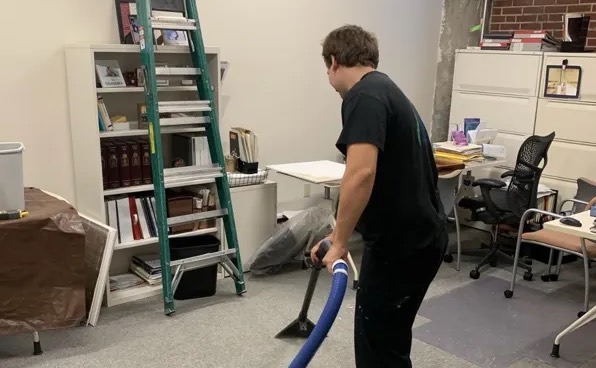
Professional Clean Water Extraction (Category 1) in Rutland, GA
Clean Water Extraction (Category 1) in Rutland ends with dry readings across the affected area. That is what lets floors, walls and cabinets be repaired or refinished without trapping moisture.
A supply line break in Rutland can flood a room quickly. Local water removal experts serve Rutland and nearby Sofkee, Walden and Avondale, with help available around the clock.
Clean Water Extraction (Category 1) Methods Used in Rutland
Ceiling Leak Water Removal
The ceiling cavity is dried along with the room below, so both levels are back to normal before repairs.
Emergency Water Mitigation
Mitigation is everything done to stop the damage from growing: shutting off the water, extracting it, moving belongings and starting drying.
Appliance Leak Water Cleanup
Appliance leaks often spread under the appliance and into the subfloor. The appliance is pulled out so the area beneath can be dried.
Wall Cavity Water Extraction
Moisture readings show how high water wicked into the wall, so only the wet part is opened.
Standing Water Pump Out
Standing water from a supply line or appliance is pumped out with submersible pumps when it is more than shallow, then floors are extracted.
How to Know You Need Clean Water Extraction (Category 1) in Rutland
High Indoor Humidity
A room that feels damp or fogs windows after a leak still has wet materials releasing moisture.
Damp Hardwood or Tile Floors
Hardwood or tile that feels damp, or grout that stays dark, has water soaking in or underneath.
Sudden Indoor Flooding
Water spreading across a floor suddenly means a supply line or appliance has failed and needs shutting off.
Furniture in Wet Areas
Furniture sitting in wet areas can stain carpet and swell at the legs, and should be moved or blocked up.
How Clean Water Extraction (Category 1) Works in Rutland
Step 1: Source Stop and Safety Check
The water is shut off, and power to wet areas is checked before work begins.
Step 2: Bulk Water Extraction
Extractors remove water from every wet floor, starting with the deepest areas.
Step 3: Carpet and Floor Drying
Carpet is floated with air, hardwood is dried slowly and tile and grout lines are checked.
Step 4: Structural Cavity Drying
Wall bases and subfloors are dried through small openings until readings are normal.
Typical Origins of Category 1 Water in Rutland
Water Heater Failure
Water heaters leak or burst as tanks corrode and fittings wear out.
AC Condensate Drain Clogs
A clogged AC condensate drain overflows clean condensate water into closets and ceilings.
Roof Leaks From Rain
Rain entering through a roof leak is usually clean when it first reaches the ceiling and floor.
Hydrostatic Pressure in Slabs
Groundwater pressure under a slab can push clean water up through cracks in the floor.
Local Clean Water Extraction (Category 1) for All Properties in Rutland
Residential Clean Water Extraction (Category 1)
Homeowners often worry about hardwood floors. Clean water extracted quickly gives hardwood a good chance of being saved, with slow drying to limit cupping and cracking.
Commercial Clean Water Extraction (Category 1)
Property managers in apartment buildings see water heater and washer leaks between units. Each unit is extracted, dried and documented.
Clean Water Extraction (Category 1) vs. DIY Cleanup in Rutland
Do not walk into standing water if outlets or cords are submerged. Turn off power at the panel only if you can reach it from a dry spot, then call for help.
Factors in Clean Water Extraction (Category 1) Pricing for Rutland, GA
The cost of clean water extraction (category 1) in Rutland depends on how much water there is, how many rooms it reached and how long drying takes.
Affected Square Footage
More square feet of wet flooring and walls means more extraction and more drying equipment.
Equipment Needs
The number of air movers, dehumidifiers and pumps needed, and for how long, drives much of the cost.
Drying Time Duration
Drying usually takes a few days, and each extra day adds equipment time to the total.
Does Insurance Cover Clean Water Extraction (Category 1)?
Many homeowner policies cover sudden clean water damage from a burst pipe or appliance leak but not slow leaks or outside flooding. Check your policy and call your insurer early.
Advantages of Hiring Local Pros for Clean Water Extraction (Category 1) in Rutland
Source Analysis
The pros find the leak source and note it, so the right repair is made.
Drying Plan
Drying follows a set plan based on readings, with equipment moved as each area dries.
24/7 Emergency Response
Help is available day or night, so clean water is extracted before it soaks deeper or gets dirtier.
Emergency Clean Water Extraction (Category 1) Response for Rutland
Supply hose burst and water still spreading across the floor? Shut off the main and call (478) 779-1453 now for clean water extraction (category 1) in Rutland.
Call Now (478) 779-1453Local Clean Water Extraction (Category 1) Areas Including Rutland
Other places served are listed below, each with its own page.
- Clean Water Extraction (Category 1) in Sofkee
- Clean Water Extraction (Category 1) in Walden
- Clean Water Extraction (Category 1) in Avondale
- Clean Water Extraction (Category 1) in Huber
- Clean Water Extraction (Category 1) in Macon
- Clean Water Extraction (Category 1) in Byron
- Clean Water Extraction (Category 1) in Kathleen
- Clean Water Extraction (Category 1) in Perry
Clean Water Extraction (Category 1) Information and FAQs
What causes Category 1 water to become contaminated?
Time and contact. Water sitting for days, or running across dirty floors, picks up contaminants and can become Category 2.
What methods are used for water behind walls?
Small holes or removed baseboards let air into the cavity, wet insulation is removed and the wall is dried until readings are normal.
What tools are used for home water extraction?
Submersible pumps, extractors, weighted carpet tools, air movers, dehumidifiers, moisture meters and thermal cameras.
Is commercial water extraction different from residential?
The steps are the same, but commercial jobs often cover larger areas and are planned around business hours.
How quickly should standing water be removed?
Right away. Clean water soaks into materials within hours and can become contaminated if it sits for more than a day or two.