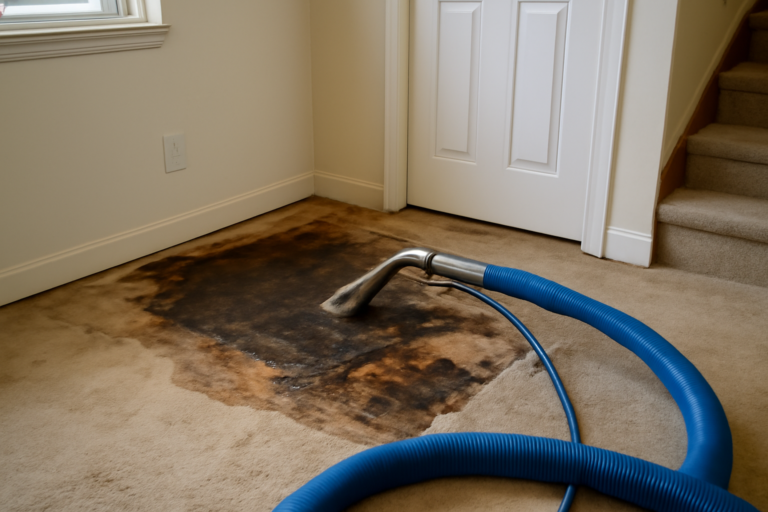
Trusted by 170+ Homeowners
Ceiling Water Extraction in Cochran, GA
- Over 189 5-Star Reviews
- Free Estimates and Quotes
- 100% Satisfaction Guaranteed
- Child, Family & Pet Safe Steps
- 24-Hour Emergency Service
- Fully Licensed & Insured
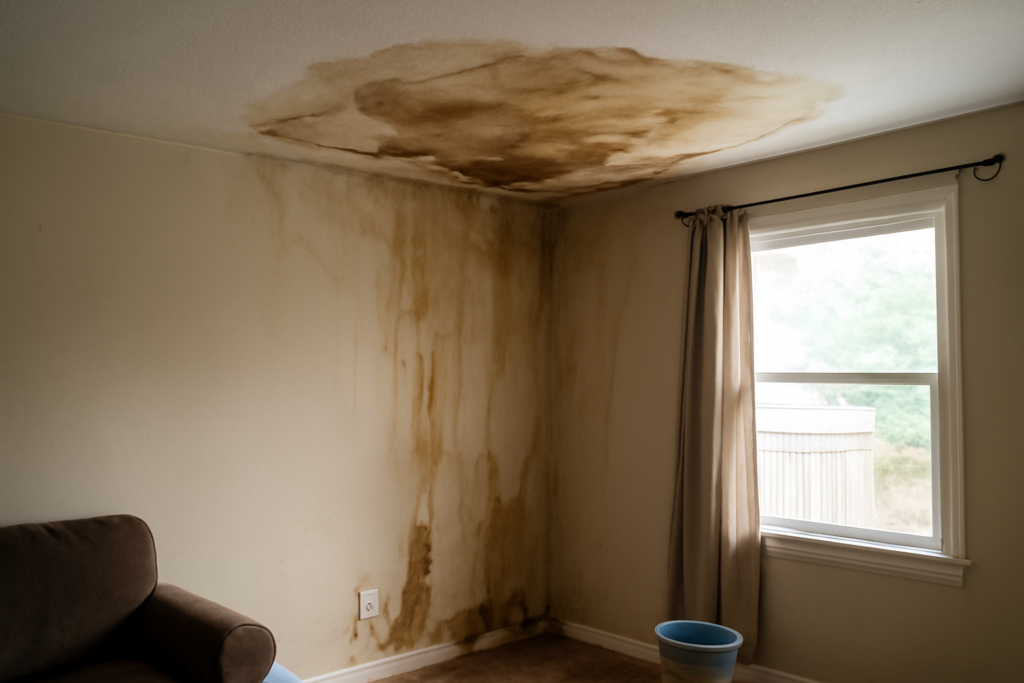
Water Damage in Your Ceiling: What You Need to Know
Did you know that water damage in your ceiling can lead to mold growth in as little as 24 to 48 hours? In Cochran, GA, where humidity is high, it’s not uncommon for ceilings to leak or collapse due to water damage. If you’re experiencing water damage in your ceiling, it’s essential to act quickly to prevent further damage and costly repairs. Our team has seen it time and time again: water damage can spread quickly, causing thousands of dollars in damage to your home and belongings.
With over 165+ five-star reviews, our team is the go-to choice for homeowners in the area who need reliable and efficient ceiling water extraction services. We understand that water damage can be stressful and overwhelming, which is why we’re dedicated to providing top-notch service and support every step of the way.
- Fast response times: We’ll be at your doorstep within 60 minutes to assess and start the extraction process.
- Expert technicians: Our team is IICRC-certified and equipped with the latest equipment to handle even the toughest water damage jobs.
- Insurance-friendly: We’ll work closely with your insurance company to ensure a smooth claims process and get you the compensation you deserve.
How Ceiling Water Extraction Works
With ceiling water extraction, a proper process is crucial to prevent further damage and ensure a successful restoration. Our team follows a step-by-step approach to ensure that every aspect of the job is handled with care and attention to detail. We’ll start by assessing the damage, identifying the source of the leak, and developing a customized plan to extract the water and dry out your ceiling.
Step 1: Assessment and Planning
Our team will arrive at your property and assess the damage, identifying the source of the leak and the extent of the water damage. We’ll use specialized equipment to detect hidden moisture and identify areas that need attention. This step is crucial in determining the best course of action and ensuring that our team is equipped with the right tools for the job.
Step 2: Water Extraction
Using powerful pumps and vacuums, our team will extract the water from your ceiling, removing as much moisture as possible to prevent further damage. We’ll work quickly and efficiently to reduce downtime and get your home back to normal as soon as possible.
Step 3: Drying and Dehumidification
Once the water has been extracted, our team will use specialized equipment to dry and dehumidify your ceiling, removing any remaining moisture and preventing mold growth. This step is critical in preventing further damage and ensuring that your home is safe and healthy.
Step 4: Cleaning and Sanitizing
Finally, our team will clean and sanitize your ceiling, removing any remaining debris and bacteria that may have been left behind. We’ll use eco-friendly cleaning products and equipment to ensure that your home is safe and healthy.
Don’t wait until it’s too late, call us today to schedule your ceiling water extraction service and get back to normal as soon as possible.

Warning Signs You Need Ceiling Water Extraction
Ignoring warning signs can lead to costly repairs and even health risks. Here are some common signs that you need ceiling water extraction services:
Musty Odors That Won’t Go Away
Strong, musty odors can be a sign of mold growth, which can be hazardous to your health. If you notice a persistent musty smell in your home, it’s essential to investigate the source and address it quickly.
Water Stains on Your Ceiling
Water stains on your ceiling can be a sign of a leak or water damage. If you notice water stains, it’s essential to investigate the source and address it quickly to prevent further damage.
Warped or Buckled Ceiling Tiles
Warped or buckled ceiling tiles can be a sign of water damage or a leak. If you notice your ceiling tiles are warped or buckled, it’s essential to investigate the source and address it quickly.
Peeling Paint or Wallpaper
Peeling paint or wallpaper can be a sign of water damage or a leak. If you notice your paint or wallpaper is peeling, it’s essential to investigate the source and address it quickly.
Water Droplets on Your Ceiling
Water droplets on your ceiling can be a sign of a leak or water damage. If you notice water droplets, it’s essential to investigate the source and address it quickly.
Discoloration or Warping of Ceiling Materials
Discoloration or warping of ceiling materials can be a sign of water damage or a leak. If you notice discoloration or warping, it’s essential to investigate the source and address it quickly.
Ceiling Water Extraction vs. DIY: When To Call a Professional
| Situation | DIY? | Call a Pro? | Why |
|---|---|---|---|
| Small leak in a single room | Yes | No | DIY is fine for small leaks in a single room, but be sure to act quickly to prevent further damage. |
| Large leak in multiple rooms | No | Yes | Large leaks need professional attention to prevent further damage and ensure a successful restoration. |
| Water damage in a high-moisture area (e.g. Bathroom or kitchen) | No | Yes | High-moisture areas need specialized equipment and expertise to prevent further damage and ensure a successful restoration. |
| Water damage in a ceiling with asbestos or lead paint | No | Yes | Water damage in ceilings with asbestos or lead paint needs specialized equipment and expertise to prevent further damage and ensure a safe restoration. |
| Water damage in a ceiling with a complex layout (e.g. Vaulted or cathedral ceilings) | No | Yes | Complex ceiling layouts need specialized equipment and expertise to prevent further damage and ensure a successful restoration. |
| Water damage in a ceiling with a large amount of debris or structural damage | No | Yes | Large amounts of debris or structural damage need professional attention to prevent further damage and ensure a successful restoration. |
Don’t risk further damage or health risks by trying to tackle ceiling water extraction yourself. Call a professional today to ensure a successful restoration and get back to normal as soon as possible.
Ceiling Water Extraction Cost in Cochran, GA
The cost of ceiling water extraction services can vary depending on the severity of the damage, the size of the affected area, and local conditions in Cochran, GA. Our team will provide a free estimate and work closely with your insurance company to ensure a smooth claims process.
| Service | Typical Price Range | What Affects Cost |
|---|---|---|
| Assessment and planning | $100 – $500 | Severity of damage and size of affected area |
| Water extraction | $500 – $2,500 | Amount of water and equipment needed |
| Drying and dehumidification | $500 – $2,000 | Size of affected area and equipment needed |
| Cleaning and sanitizing | $200 – $1,000 | Size of affected area and equipment needed |
| Equipment rental and labor | $500 – $2,000 | Size of affected area and equipment needed |
| Insurance claims help | $0 – $500 | Complexity of claims process and insurance company requirements |
Exact pricing will depend on an on-site assessment, and we offer free estimates to ensure you know exactly what to expect. Call us today to schedule your ceiling water extraction service and get back to normal as soon as possible.
Service Areas Near Cochran, GA
Our team serves the following nearby communities: Byron, Warner Robins, Perry, Fort Valley, Macon, Jeffersonville, Gray, Bonaire, Fort Valley, and more.
Common Questions About Ceiling Water Extraction
Q: How long does ceiling water extraction take?
A: The length of time it takes to complete ceiling water extraction services depends on the severity of the damage and the size of the affected area. Our team will provide a detailed timeline and work closely with you to ensure a successful restoration.
Q: Is ceiling water extraction covered by insurance?
A: Yes, ceiling water extraction services are often covered by insurance. Our team will work closely with your insurance company to ensure a smooth claims process and get you the compensation you deserve.
Q: Can I do ceiling water extraction myself?
A: While it’s possible to try ceiling water extraction yourself, it’s not recommended. Water damage can spread quickly, causing costly repairs and health risks. Our team has the expertise and equipment to ensure a successful restoration and prevent further damage.
Q: How do I prevent ceiling water damage?
A: To prevent ceiling water damage, it’s essential to address any leaks or water issues quickly. Regularly inspect your ceiling for signs of water damage, and consider installing a water sensor to alert you to any potential issues.
Q: What equipment do you use for ceiling water extraction?
A: Our team uses specialized equipment, including pumps, vacuums, and dehumidifiers, to extract water and dry out your ceiling. We’ll work closely with you to ensure that the equipment is used safely and effectively.
Check Our Other Relevant Services
Serving Cochran, GA And Nearby Areas