Avondale, GA · Bibb County
Bathroom Water Removal in Avondale, GABathroom Leak Water Cleanup & Shower Leak Water Damage Repair
Get bathroom water removal in Avondale for shower leak water damage repair, bathroom mold prevention and bathroom drying services.
Answered 24/7
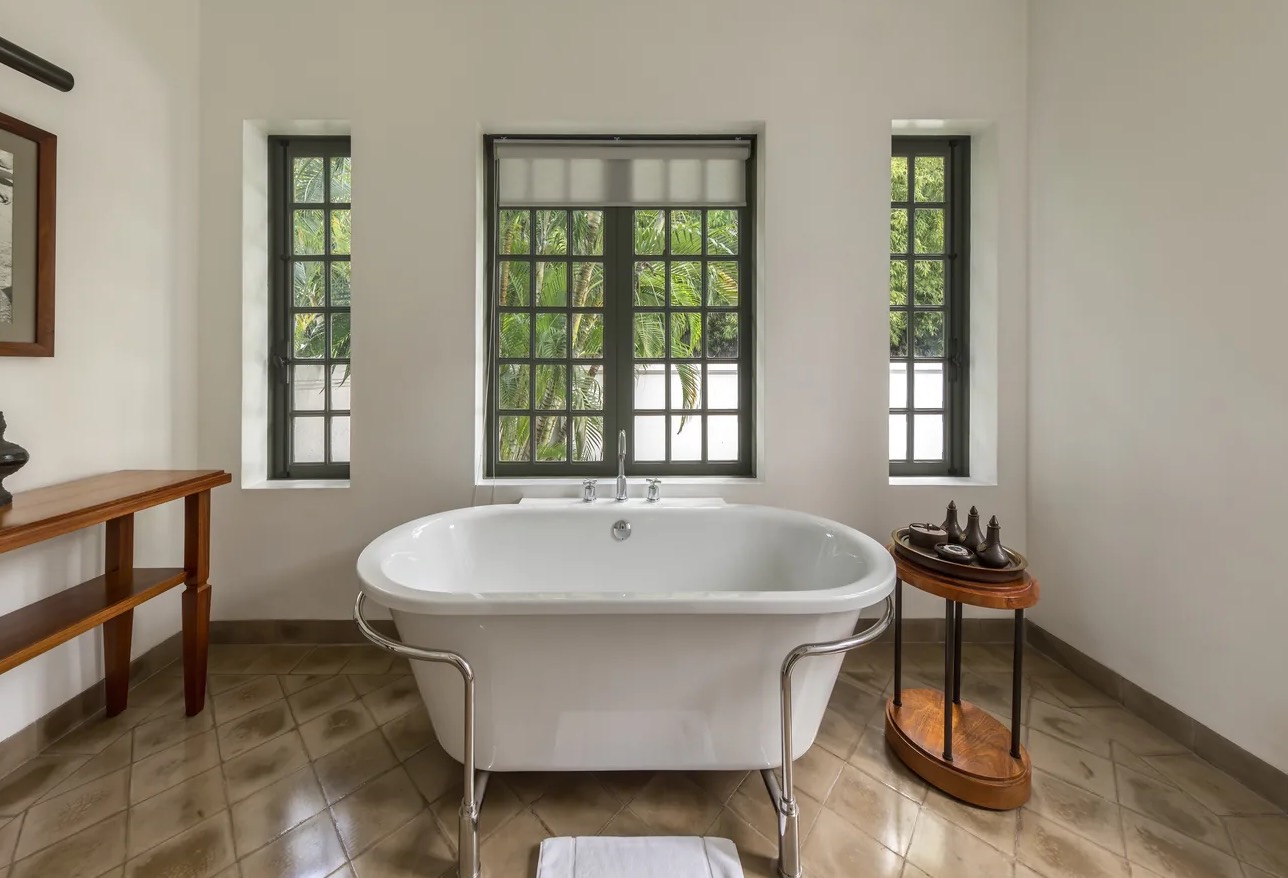
Professional Bathroom Water Removal in Avondale, GA
Water in a bathroom moves fast and hides well. In Avondale, an overflowing toilet or a split supply hose can push water under the vanity, behind the tub and into the subfloor before anyone grabs a towel.
In Avondale, many bathroom water calls start with a soft floor near the toilet or a stain on the ceiling below. Local bathroom water removal pros serve Avondale, Walden, Sofkee and Rutland, finding hidden water and drying it.
Bathroom Water Removal Services in Avondale
Bathroom Leak Water Cleanup
A leak from a sink, tub or toilet is stopped, and water is removed from the floor, the vanity base and the gaps around fixtures where it collects.
Shower Leak Water Damage Repair
After drying, the shower can be repaired properly instead of covering a wet wall with new tile.
Water Damaged Subfloor Removal
When water has soaked a bathroom subfloor for a long time, the soft or delaminated section is cut out and the joists underneath are dried.
Bathroom Mold Prevention
A fan that does not vent outdoors, or is not used, keeps a bathroom damp. Ventilation problems are pointed out after the work.
Emergency Bathroom Water Extraction
When a supply line bursts or a tub overflows, help is available any hour to extract the water before it reaches the room below.
Common Indicators for Bathroom Water Removal in Avondale
High Humidity and Condensation
Walls and mirrors that stay wet long after a shower show moisture is not being removed.
Musty Odors in the Bathroom
A musty smell that stays after the fan runs points to hidden moisture in the floor or walls.
Cracked or Loose Toilet Seal
A toilet that rocks or has water around its base likely has a failed wax ring seal.
Discolored or Bubbling Drywall
Drywall that bubbles, stains or feels soft near the tub, shower or toilet has absorbed water.
How Bathroom Water Removal Works in Avondale
Step 1: Safety and Assessment
Power to wet outlets and fans is shut off, and the floor is checked for soft spots before work.
Step 2: Targeted Water Extraction
Water is removed from grout lines, the vanity base and around the toilet and tub.
Step 3: Drying Strategy
Equipment is placed for the subfloor, wall cavities and the ceiling below if it got wet.
Step 4: Documentation for Insurance
Photos, readings and a list of removed materials are prepared for your claim.
Why Bathrooms Need Water Removal in Avondale
Toilet Overflow and Clogs
A clogged toilet overflows onto the floor and can soak the subfloor and the ceiling below.
Leaking Supply Lines or Valves
Supply lines and shut-off valves under sinks and behind toilets wear out and leak.
Overflowing Sink or Bathtub
A tub or sink left running overflows onto the floor and into nearby rooms.
Sink Drain or P-Trap Leaks
Loose sink drains and leaking P-traps drip into the vanity and onto the floor.
Residential & Commercial Bathroom Water Removal in Avondale, GA
Residential Bathroom Water Removal
Families should keep children and pets out of a bathroom after a toilet overflow until it has been cleaned and disinfected.
Commercial Bathroom Water Removal
In medical offices and food-service buildings, restroom overflows need cleanup that meets the health rules for those spaces.
Professional Bathroom Water Removal or DIY in Avondale?
If water is dripping from the ceiling below a bathroom, turn off the water and the light circuit underneath. Then call local bathroom water removal pros to check and dry both floors.
Understanding Bathroom Water Removal Costs in Avondale
Toilet overflow cleanup in Avondale costs more than a clean water leak, because soaked items are discarded and surfaces disinfected.
Emergency Service Timing
Night, weekend and holiday calls can cost more than a scheduled weekday visit.
Material Removal Needs
Cutting out drywall, tile or subfloor to reach wet areas adds labor and repair costs.
Water Damage Extent
A leak caught on the surface costs far less than one that soaked the subfloor and the room below.
Does Insurance Cover Bathroom Water Removal?
Many homeowner policies cover sudden bathroom water damage, such as a burst supply line, but not slow leaks from worn seals, caulk or grout. Check your policy and call your insurer early.
Why Avondale Homeowners Trust Local Pros for Bathroom Water Removal
Structural Damage Assessment
Joists and subfloor are checked for soft or rotted areas before any repair is planned.
Clear Damage Documentation
Photos, readings and drying logs are kept to support your insurance claim.
Industry Drying Standards
Drying follows industry water damage standards, with moisture readings at every visit.
24/7 Emergency Bathroom Water Removal in Avondale
Night, weekend or holiday, the pros handle bathroom water in Avondale. Call (478) 779-1453 to get the water out and the floor dried.
Call Now (478) 779-1453Bathroom Water Removal Service Area Around Avondale
Help with bathroom water removal reaches Walden, Sofkee and Rutland, plus other communities around Avondale, for houses, apartments and commercial restrooms.
Frequently Asked Questions About Bathroom Water Removal
What is involved in bathroom water removal?
Stopping the source, extracting water from the floor and around fixtures, removing wet drywall or subfloor where needed and drying until readings are normal.
When is wet bathroom drywall removal necessary?
When drywall is soaked, soft, stained by toilet water or has been wet for days. Lightly damp drywall can sometimes be dried.
What is bathroom mold prevention after water removal?
Drying wet materials quickly, fixing ventilation and treating framing that stayed wet with an antimicrobial after drying.
How long do bathroom drying services usually take?
Often several days, depending on how wet the subfloor and wall cavities are. Daily readings show progress.
What happens during a bathroom moisture inspection?
Meters check the floor, walls and ceiling below, including spots under tile and behind fixtures that look dry.