McRae-Helena, GA · Telfair County
Basement Water Removal in McRae-Helena, GABasement Water Pump Out & Basement Floor Water Damage
After a burst pipe or storm, Basement Water Removal in McRae-Helena means basement water pump out, basement wall drying and basement drying services.
Answered 24/7
Expert Basement Water Removal in McRae-Helena, Chauncey, Rhine and Eastman
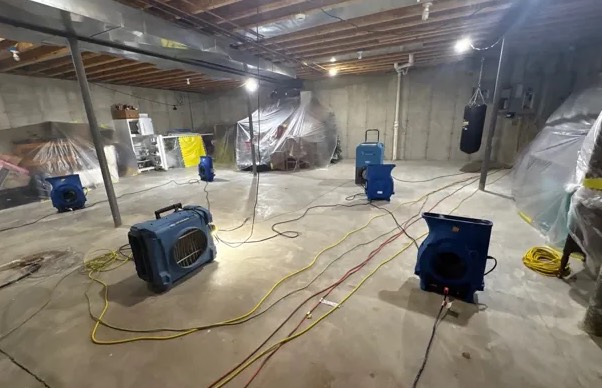
Dehumidification is the slow but necessary part of basement water removal in McRae-Helena. Pumps remove standing water quickly, but walls and concrete keep releasing moisture for days.
A finished basement or lower level in McRae-Helena or Chauncey, Rhine and Eastman can hide water under flooring and behind drywall. The pros find and remove it before it causes lasting damage.
Professional Basement Water Removal Offerings
Basement Water Pump Out
A pump-out removes standing water from the basement with submersible pumps, discharging it outside and away from the foundation.
Basement Floor Water Damage
Water on a basement floor soaks into carpet pad, laminate seams and the concrete itself. Floor coverings are lifted where needed so the slab can dry.
Basement Wall Drying
Concrete and block walls dry with directed airflow and dehumidification, which pull water out of the masonry.
Basement Moisture Inspection
Moisture meters and thermal cameras check walls, floors and the slab for water that is not visible, including behind finished walls.
Basement Dehumidification
Dehumidifiers run continuously during drying, and their output is checked to track how much water is still coming out of the materials.
When to Call for Basement Water Removal in McRae-Helena
Wet or Damp Basement Walls
Basement walls that look dark, feel damp or show tide lines are taking on or holding water.
High Humidity and Condensation
Water on pipes and windows, or a constantly clammy feel, means basement humidity is too high.
Musty Odors and Mold Smell
A musty or damp smell in the basement points to wet materials hidden somewhere in the space.
Mold or Mildew
Dark spots on drywall, framing or stored items mean the area has stayed wet for days.
How Basement Water Removal Works in McRae-Helena
Step 1: Source Control and Water Pump Out
The leak is shut off and standing water is pumped out, starting at the lowest point.
Step 2: Water Extraction
Extractors pull water from carpet, pad and concrete, and wet vacs clear corners and stairs.
Step 3: Dehumidification and Drying
Large dehumidifiers and air movers dry walls, framing and slab over several days.
Step 4: Inspection and Clearance for Repair
Final readings confirm the basement is dry and ready for drywall and flooring repairs.
Common Causes of Basement Water Damage in McRae-Helena
Clogged or Damaged Gutters
Clogged gutters and short downspouts dump roof water right next to the foundation.
Improper Landscape Grading
Soil that slopes toward the house directs rainwater straight to the basement walls.
Sewer Line Backups and Blockages
A blocked sewer line can push wastewater up through basement floor drains and toilets.
High Water Table and Hydrostatic Pressure
A high water table presses groundwater against the slab and walls, forcing it inside.
House and Business Basement Water Removal in McRae-Helena
Residential Basement Water Removal
Finished basements used as bedrooms or family rooms need careful moisture checks behind walls and under flooring, since that is where water hides.
Commercial Basement Water Removal
Businesses with below-grade storage need wet inventory moved out and documented. Drying is planned around daily operations wherever possible.
The Risks of DIY Basement Water Removal
Checking appliance hoses and extending downspouts away from the house are good DIY steps before storm season. Once the basement floods, call (478) 779-1453 for help.
Understanding Basement Water Removal Pricing
The pros look at water depth, water type and basement finishes before pricing basement water removal in McRae-Helena, then explain the scope.
Affected Materials
Finished walls, carpet and laminate take more removal work than bare concrete.
Basement Square Footage
Larger basements need more extraction, more drying equipment and more days of drying.
Water Depth and Volume
Deeper water takes more pumping time and usually means more materials got wet.
Does Insurance Cover Basement Water Removal?
Photograph the water level, damaged belongings and appliances before cleanup, and keep receipts for emergency pumping and drying equipment for your adjuster.
The Value of Professional Basement Water Removal
Detailed Damage Documentation
Photos, readings and drying logs are kept to support your insurance claim.
Contamination Safety Protocols
Sewage and dirty water are handled with protective gear, containment and disinfection.
Moisture Inspection
Meters and thermal cameras find water in walls, floors and slab that looks dry.
Round-the-Clock Basement Water Removal for McRae-Helena
If water is near outlets, the furnace or the electrical panel, stay out of it. Call (478) 779-1453 for help in McRae-Helena and wait for power to be made safe.
Call Now (478) 779-1453Basement Water Removal Serving McRae-Helena and Surroundings
Other places served are listed below, each with its own page.
- Basement Water Removal in Chauncey
- Basement Water Removal in Rhine
- Basement Water Removal in Eastman
- Basement Water Removal in Cadwell
- Basement Water Removal in Rentz
- Basement Water Removal in Abbeville
- Basement Water Removal in Dexter
- Basement Water Removal in Chester
- Emergency Damage Restoration in 31037
- Storm Damage Restoration in 31037
- Water Damage Restoration in 31037
- Water Extraction Service in 31037
- Water Leak Detection in 31037
- Water Removal Service in 31037
- Emergency Damage Restoration in 31055
- Storm Damage Restoration in 31055
Common Basement Water Removal Questions Answered
How does a basement moisture inspection work?
Moisture meters and thermal cameras check walls, floors and the slab, including behind finished walls and under flooring.
Why is basement dehumidification important after pumping?
Walls and concrete keep releasing moisture for days. Dehumidifiers remove it so the basement does not stay damp.
Does basement flood cleanup include mold prevention?
Fast drying is the main prevention. Wood and concrete that stayed wet can be treated with an antimicrobial once dry.
Why is fast water removal so important for basements?
Basements dry slowly, so every hour of standing water adds drying days and more materials to replace.
What causes basement floor water damage?
Storm seepage, burst pipes, appliance leaks, foundation cracks and sewer backups through floor drains are the usual sources.