Harrison, GA · Washington County
Basement Water Removal in Harrison, GABasement Floor Water Damage & Sump Pump Failure Water Cleanup
After a burst pipe or storm, Basement Water Removal in Harrison means basement water pump out, basement wall drying and basement drying services.
Answered 24/7
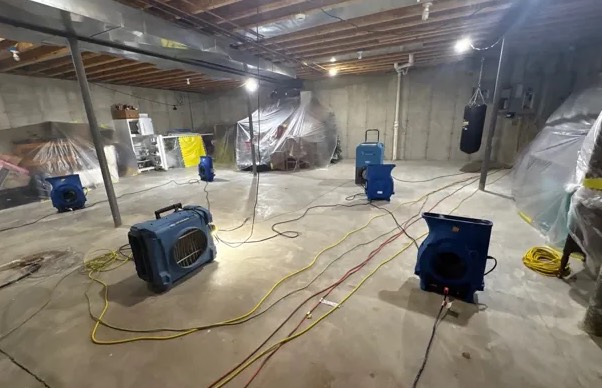
Basement Water Removal Solutions for Harrison Homeowners
In Harrison, a burst pipe or heavy rain can let water rise fast in a basement. The water usually spreads from the low point across the whole floor and into finished rooms.
A single storm or burst pipe in Harrison can flood a basement. Local basement water removal pros serve Harrison and nearby Riddleville, Tennille and Sandersville, with help available around the clock.
Comprehensive Basement Water Removal Solutions
Basement Floor Water Damage
Concrete floors are squeegeed, extracted and dried with airflow and dehumidifiers until moisture readings drop.
Sump Pump Failure Water Cleanup
A backup pump or battery system is worth discussing with a plumber after the cleanup, since sump failures often repeat in storms.
Basement Water Pump Out
A pump-out removes standing water from the basement with submersible pumps, discharging it outside and away from the foundation.
Basement Dehumidification
After drying, a household dehumidifier may still be needed to keep basement humidity in a healthy range.
Basement Moisture Inspection
Readings are recorded at each visit, giving you and your insurer a clear record of the drying.
Warning Signs You Need Basement Water Removal
Standing Water in Basement
Standing water anywhere on the basement floor needs to be pumped out before it soaks the walls.
High Humidity and Condensation
Water on pipes and windows, or a constantly clammy feel, means basement humidity is too high.
Water Stains on Walls or Ceiling
Stains on lower walls or the ceiling below a bathroom or kitchen point to a leak.
Rusted Appliances or Furniture
Rust on appliance bases, furniture legs or metal shelving points to standing water or long-term dampness.
How Basement Water Removal Works in Harrison
Step 1: Emergency Water Extraction
Power is made safe, then pumps and extractors remove standing water from the basement floor.
Step 2: Detailed Moisture Inspection
Meters map wet walls, framing and slab areas, including behind finished walls and under flooring.
Step 3: Drying and Dehumidification
Air movers and large dehumidifiers run continuously, with readings checked every day.
Step 4: Final Verification and Monitoring
Readings are compared to dry areas, and equipment is removed only when the basement tests dry.
What Causes Water Damage in Basements
Improper Landscape Grading
Soil that slopes toward the house directs rainwater straight to the basement walls.
Plumbing Leaks or Pipe Bursts
Supply lines, drain pipes and water heaters in the basement can leak or burst onto the floor.
Window Well Leaks and Drainage
Window wells without drains or covers fill with rain and leak through the windows.
Clogged or Damaged Gutters
Clogged gutters and short downspouts dump roof water right next to the foundation.
Residential and Commercial Basement Water Removal in Harrison
Residential Basement Water Removal
In homes, a wet basement often means damaged carpet, drywall and stored belongings, plus a furnace or water heater sitting in water. Water is pumped out and the space dried.
Commercial Basement Water Removal
In commercial buildings, basements often house mechanical rooms and storage. Water is removed so systems can be checked to determine whether they can be restarted safely.
When to Hire Local Pros for Basement Water Removal
Water that came up through a floor drain may be sewage. Avoid touching it, keep children and pets away and call the pros for cleanup with protective gear and disinfection.
Investing in Professional Basement Water Removal
In Harrison, the drying phase usually costs more than the pumping, because basements need equipment running for several days.
Time of Service
Night, weekend and storm calls can cost more than a scheduled weekday visit.
Basement Square Footage
Larger basements need more extraction, more drying equipment and more days of drying.
Additional Services
Antimicrobial treatment, contents cleaning and repairs after drying add to the cost.
Does Insurance Cover Basement Water Removal?
Coverage for basement water removal depends on the water source and your policy. The pros document the damage and drying, and your insurer decides what is covered.
Advantages of Local Basement Water Removal Experts
Detailed Damage Documentation
Photos, readings and drying logs are kept to support your insurance claim.
Focus on Drying Outcomes
Drying continues until readings are normal, not just until surfaces look dry.
Contamination Safety Protocols
Sewage and dirty water are handled with protective gear, containment and disinfection.
Emergency Basement Flood Response in Harrison
Water still rising in the basement? Call (478) 779-1453 now for basement water removal in Harrison before the water reaches finished rooms and stored belongings.
Call Now (478) 779-1453Basement Water Removal Serving Harrison and Surroundings
Other places served are listed below, each with its own page.
- Basement Water Removal in Riddleville
- Basement Water Removal in Tennille
- Basement Water Removal in Sandersville
- Basement Water Removal in Oconee
- Basement Water Removal in Deepstep
- Basement Water Removal in Toomsboro
- Basement Water Removal in Dublin
- Basement Water Removal in Irwinton
- Emergency Damage Restoration in 31035
- Storm Damage Restoration in 31035
- Water Damage Restoration in 31035
- Water Extraction Service in 31035
- Water Leak Detection in 31035
- Water Removal Service in 31035
Common Basement Water Removal Questions Answered
What equipment is used for basement water extraction?
Submersible pumps, extractors, wet vacs, air movers, large dehumidifiers and moisture meters to confirm drying.
What causes basement floor water damage?
Storm seepage, burst pipes, appliance leaks, foundation cracks and sewer backups through floor drains are the usual sources.
Is a sump pump failure an emergency?
Yes, especially during rain. Groundwater can rise quickly once the pump stops, flooding the floor and finished rooms.
Can wet drywall in a basement be saved?
Sometimes, if the water was clean and removed quickly. Soaked or contaminated drywall is cut out above the water line.
How is contaminated water handled in a basement?
With protective gear, containment, removal of porous materials and disinfection of hard surfaces before drying.