Fort Valley, GA · Peach County
Basement Water Removal in Fort Valley, GABasement Moisture Inspection & Emergency Basement Flooding
After a burst pipe or storm, Basement Water Removal in Fort Valley means basement water pump out, basement wall drying and basement drying services.
Answered 24/7
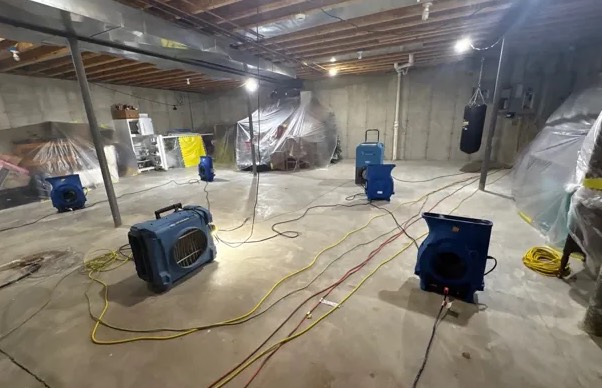
Local Basement Water Removal Services for Fort Valley
Basement Water Removal in Fort Valley starts with safety. Water near the furnace, water heater or electrical panel can be dangerous, so power is made safe before anyone steps into it.
A finished basement or lower level in Fort Valley or Marshallville, Byron and Perry can hide water under flooring and behind drywall. The pros find and remove it before it causes lasting damage.
Professional Basement Water Removal Offerings
Basement Moisture Inspection
An inspection shows how high water wicked up the walls and how far it spread under flooring, which sets the drying plan.
Emergency Basement Flooding
Help is available any hour when water is rising in the basement from a storm, a sewer backup or a burst pipe.
Basement Drying Services
After pumping, air movers and dehumidifiers dry the walls, framing and slab. Readings are taken daily until every surface is back to normal.
Basement Floor Water Damage
Flooring that buckled or swelled is removed. Tile and sealed concrete can often be cleaned and dried in place.
Sump Pump Failure Water Cleanup
Cleanup after a sump failure includes drying the area around the pit and noting whether the pump, switch or power was the cause.
Indicators You Need Professional Water Removal
Gurgling Sounds From Drains
Gurgling floor drains or slow drains can be an early sign of a sewer line problem.
Water Stains on Walls or Ceiling
Stains on lower walls or the ceiling below a bathroom or kitchen point to a leak.
Rusted Appliances or Furniture
Rust on appliance bases, furniture legs or metal shelving points to standing water or long-term dampness.
Standing Water in Basement
Standing water anywhere on the basement floor needs to be pumped out before it soaks the walls.
How Basement Water Removal Works in Fort Valley
Step 1: First Call and Initial Assessment
The source, the type of water and the depth are checked, and the water level is photographed.
Step 2: Bulk Water and Contaminant Removal
Pumps remove standing water, and carpet, pad or drywall touched by dirty water is removed.
Step 3: Drying With Monitoring
Dehumidifiers and air movers run around the clock, with readings logged every day on walls and slab.
Step 4: Post-Drying Evaluation and Documentation
Final readings and photos are compiled to show the basement is dry and what was removed.
Common Causes of Basement Flooding in Fort Valley
Foundation Cracks and Seepage
Cracks in foundation walls and the slab let groundwater seep in during wet weather.
Heavy Rainfall and Storm Flooding
Heavy rain saturates the soil and pushes water through walls, cracks and the floor joint.
Improper Landscape Grading
Soil that slopes toward the house directs rainwater straight to the basement walls.
Clogged or Damaged Gutters
Clogged gutters and short downspouts dump roof water right next to the foundation.
Professional Basement Water Removal for All Properties
Residential Basement Water Removal
Older homes with a basement may see seepage with every heavy storm. Water removal handles the current damage, and the entry point is noted for a waterproofing contractor.
Commercial Basement Water Removal
Multi-unit buildings with shared basements need each storage and laundry area pumped, dried and documented for the property manager.
Why DIY Basement Water Removal Often Fails in Fort Valley
Do not step into basement water if cords, outlets or appliances are in it. Shut off power at the panel only if you can reach it from a dry spot, then call (478) 779-1453.
Understanding Basement Water Removal Pricing
The cost of basement water removal in Fort Valley depends on how deep the water is, what type of water it is and how much finished material has to come out.
Additional Services
Antimicrobial treatment, contents cleaning and repairs after drying add to the cost.
Drying Time Required
Basements dry slowly, and each extra day of equipment adds to the total.
Access and Complexity
Narrow stairs, low ceilings and crowded storage areas make the work slower and longer.
Does Insurance Cover Basement Water Removal?
Photos, moisture readings and drying logs from local water damage pros help support an insurance claim for basement water damage in Fort Valley.
Advantages of Local Basement Water Removal Experts
Industry Drying Standards
Water removal and drying follow industry water damage standards, with readings at every visit.
Focus on Drying Outcomes
Drying continues until readings are normal, not just until surfaces look dry.
Advanced Drying Equipment
Pumps, extractors and large dehumidifiers remove water much faster than household tools.
24/7 Emergency Basement Water Removal in Fort Valley
The faster a basement is pumped out, the more can be saved. Call (478) 779-1453 for basement water removal in Fort Valley as soon as you see water.
Call Now (478) 779-1453Basement Water Removal Near Fort Valley: Areas Served
Help with basement water removal is also available in communities near Fort Valley, including Marshallville, Byron and Perry, for flooded basements and sewer backups.
- Basement Water Removal in Marshallville
- Basement Water Removal in Byron
- Basement Water Removal in Perry
- Basement Water Removal in Reynolds
- Basement Water Removal in Centerville
- Basement Water Removal in Roberta
- Basement Water Removal in Warner Robins
- Basement Water Removal in Lizella
- Emergency Damage Restoration in 31030
- Storm Damage Restoration in 31030
- Water Damage Restoration in 31030
- Water Extraction Service in 31030
- Water Leak Detection in 31030
- Water Removal Service in 31030
Common Basement Water Removal Questions Answered
What is the difference between a pump out and extraction?
A pump out removes deep standing water. Extraction pulls the remaining water from carpet, pad and floors.
What is involved in basement leak cleanup?
Stopping the leak, extracting the water, drying the floor and walls and checking for hidden moisture under flooring.
How is basement wall drying done?
Wet drywall is cut back, insulation removed and directed airflow and dehumidifiers dry the studs and masonry.
What causes basement floor water damage?
Storm seepage, burst pipes, appliance leaks, foundation cracks and sewer backups through floor drains are the usual sources.
What should I do right after basement flooding?
Make power safe, avoid sewage, move belongings above the water, take photos and call for water removal.