Geneva, GA · Talbot County
Basement Water Damage Restoration in Geneva, GABasement Wall Drying & Emergency Basement Flood Cleanup
Basement Water Damage Restoration in Geneva runs from basement water extraction and basement floor water removal to basement dehumidification.
Answered 24/7
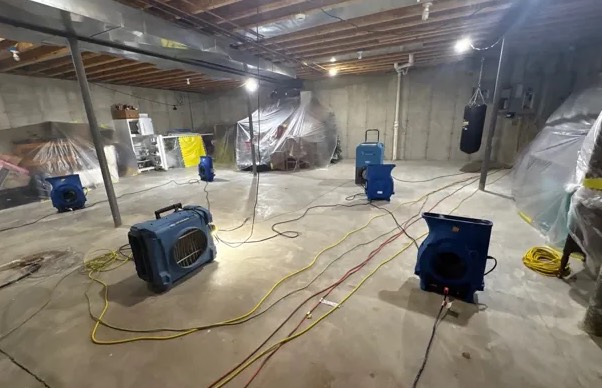
Local Basement Water Damage Restoration Near Geneva
A basement dries slower than any other part of a house. The air is cool, there is little sunlight and the concrete holds moisture for a long time. In Geneva, that makes extraction and steady dehumidification important.
In Geneva, a home with a basement or below-grade room can flood after heavy rain or a blocked sewer line. Local water damage pros serve Geneva, Junction City, Talbotton and Butler, pumping out water and drying finished and unfinished spaces.
Basement Water Damage Restoration Services in Geneva
Basement Wall Drying
Concrete and block walls are dried with directed airflow and dehumidifiers, and checked with meters until readings drop.
Emergency Basement Flood Cleanup
A flooded basement can damage furnaces, water heaters and stored items quickly. Fast pumping limits how much is lost.
Basement Water Extraction
Extraction starts at the lowest point, often near the floor drain or sump, and works outward until no pooled water remains.
Basement Dehumidification
A basement with no moisture problem before the flood may still need a dehumidifier afterward while the concrete dries.
Basement Sewer Backup Cleanup
After a sewer backup, cleanup and disinfection come before drying, so contaminated surfaces are not left in place.
How to Know You Need Basement Water Damage Restoration in Geneva
Mold on Surfaces
Dark spots on drywall, framing or stored boxes mean the area has stayed wet for days.
Efflorescence on Concrete Walls
White, chalky deposits on concrete walls mean water is moving through the concrete and leaving minerals behind.
Rusted Appliances or Pipes
Rust on the water heater, furnace base or pipes points to repeated moisture or past flooding.
Standing Water in the Basement
Any standing water on the basement floor needs pumping right away, before it soaks walls and framing.
How Basement Water Damage Restoration Works in Geneva
Step 1: Source Control and Extraction
The pipe is shut off, the sump restarted or the backup stopped, then the water is pumped out.
Step 2: Structural Drying Setup
Lower drywall is removed where soaked, and equipment is placed to dry wall cavities and the slab.
Step 3: Contaminant Removal
Materials touched by sewage or dirty water are removed and hard surfaces are cleaned and disinfected.
Step 4: Monitoring and Completion
Daily readings track drying until every material is normal, then equipment is removed.
Common Causes of Water Damage in Geneva
Water Heater or Appliance Leaks
Water heaters, washers and utility sinks in the basement can leak or fail without warning.
Failed or Clogged Drain Tile
Clogged or collapsed drain tile around the foundation lets water build up against the walls.
Stormwater Runoff Into Lower Levels
Heavy rain running off hard ground or a sloped yard can pour down stairwells and under doors into below-grade rooms.
Clogged Floor Drains
A floor drain blocked by debris cannot carry off water from a leak or overflow, so it spreads across the basement floor.
Home and Business Basement Water Damage Restoration in Geneva
Residential Basement Water Damage Restoration
Homeowners with older basements may have seepage that returns with each storm. Drying fixes the current damage, and the source is noted for a waterproofing contractor.
Commercial Basement Water Damage Restoration
Apartment and condo buildings with shared basements or lower levels may have laundry and storage below grade. Each area is extracted, dried and recorded for the building manager.
Basement Water Damage Restoration: Professional Help vs. Doing It Yourself in Geneva
Fans alone can push damp air into the rest of the house. Basement drying needs dehumidifiers to pull the moisture out of the air and the concrete.
What Influences Basement Water Damage Restoration Cost in Geneva
Waterproofing or sump pump replacement is a separate cost from water removal and drying. In Geneva, both may be needed to prevent a repeat.
Water Category
Clean water costs less to handle than sewage, which needs protective gear, removal and disinfection.
Drying Time Required
Basements dry slowly, and longer drying means more equipment days and monitoring visits.
Dehumidification Needs
Large dehumidifiers may need to run longer in below-grade spaces than in upper floors.
Does Insurance Cover Basement Water Damage Restoration?
Coverage for groundwater seepage and backups varies widely between policies. Ask your adjuster whether your policy includes it before work begins.
Why Choose Local Pros for Basement Water Damage Restoration in Geneva
Detailed Documentation
Photos, readings and drying logs are kept to support your insurance claim.
Water Extraction First
Water is removed from floors, carpet and pad before drying starts, which shortens drying time.
Containment Strategies
Plastic sheeting keeps contaminated areas separate from clean parts of the house.
24/7 Emergency Basement Water Damage Restoration in Geneva
A flooded basement damages walls, furnaces, water heaters and belongings quickly. Call (478) 779-1453 for basement water damage restoration in Geneva at any hour.
Call Now (478) 779-1453Local Basement Water Damage Restoration Coverage: Geneva and Beyond
Other places served are listed below, each with its own page.
- Basement Water Damage Restoration in Junction City
- Basement Water Damage Restoration in Talbotton
- Basement Water Damage Restoration in Butler
- Basement Water Damage Restoration in Manchester
- Basement Water Damage Restoration in Thomaston
- Basement Water Damage Restoration in Ideal
- Basement Water Damage Restoration in Reynolds
- Basement Water Damage Restoration in Ellaville
- Emergency Damage Restoration in 31810
- Storm Damage Restoration in 31810
- Water Damage Restoration in 31810
- Water Extraction Service in 31810
- Water Leak Detection in 31810
- Water Removal Service in 31810
Basement Water Damage Restoration Common Questions Answered
Is basement floor water removal different from carpet extraction?
Yes. Bare concrete is squeegeed and dried, while carpet and pad need extraction, and the pad is usually replaced.
What is involved in basement water damage restoration?
Pumping out water, removing soaked materials, cleaning contaminated areas, drying walls, framing and concrete, and dehumidifying until readings are normal.
What is the priority during emergency basement flood cleanup?
Safety first, especially electrical hazards, then stopping the source and pumping out the water as quickly as possible.
How is basement restoration documented for insurance?
With photos of the water level and damage, moisture readings, a list of removed materials and daily drying logs.
What does below-grade moisture removal include beyond pumping?
Extracting carpet and pad, opening wet walls, running air movers and dehumidifiers, and checking readings until dry.