Ashburn, GA · Turner County
Basement Water Damage Restoration in Ashburn, GABasement Wall Drying & Basement Sewer Backup Cleanup
Basement Water Damage Restoration in Ashburn runs from basement water extraction and basement floor water removal to basement dehumidification.
Answered 24/7
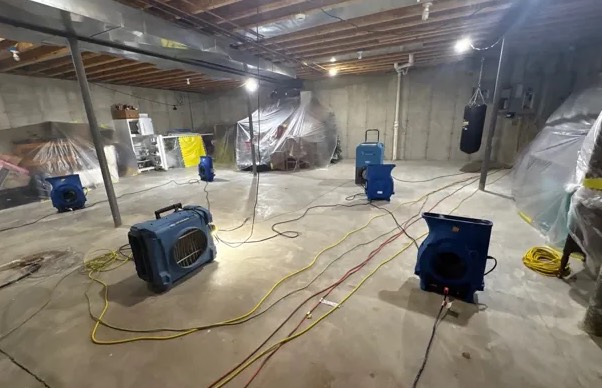
Basement Water Damage Restoration for Ashburn Homes
Basement Water Damage Restoration in Ashburn usually involves two parts: the emergency work of removing water and the slower work of drying a below-grade space. Both matter for keeping repairs small.
One burst pipe or heavy storm in Ashburn can flood a basement. Local restoration pros serve Ashburn and nearby Arabi, Rebecca and Pitts, with help available around the clock.
Professional Basement Water Damage Restoration Offered in Ashburn
Basement Wall Drying
Finished basement walls hide wet insulation and framing. Removing the bottom of the drywall lets air reach the cavity.
Basement Sewer Backup Cleanup
After a sewer backup, cleanup and disinfection come before drying, so contaminated surfaces are not left in place.
Emergency Basement Flood Cleanup
Emergency cleanup starts with stopping the source where possible, checking for electrical hazards and pumping out the water.
Basement Water Extraction
Submersible pumps remove deep standing water, then portable extractors pull water from carpet, pad and the concrete floor.
Basement Drying Services
Drying a basement takes longer than drying an upper floor because the air is cool and the concrete holds moisture.
Signs of Basement Water Damage in Ashburn
Condensation on Windows or Pipes
Water beading on cold pipes or basement windows shows high humidity that keeps materials damp.
Warped or Buckling Basement Floors
Laminate, wood or vinyl flooring that buckles or lifts in the basement has water underneath.
Sump Pump Failure or Overflow
A sump pump that runs constantly, fails to start or lets the pit overflow puts the basement at risk.
High Humidity Levels Below-Grade
A basement that stays damp and clammy even on dry days has a moisture source that needs attention.
How Basement Water Damage Restoration Works in Ashburn
Step 1: Source Control and Extraction
The pipe is shut off, the sump restarted or the backup stopped, then the water is pumped out.
Step 2: Structural Drying Setup
Lower drywall is removed where soaked, and equipment is placed to dry wall cavities and the slab.
Step 3: Contaminant Removal
Materials touched by sewage or dirty water are removed and hard surfaces are cleaned and disinfected.
Step 4: Monitoring and Completion
Daily readings track drying until every material is normal, then equipment is removed.
Frequent Sources of Water Damage in Ashburn
Plumbing Pipe Bursts or Leaks
Supply lines and drain pipes in basement ceilings can crack or burst onto the floor below.
HVAC Condensate Line Overflow
A clogged furnace or air conditioner condensate line can overflow onto the floor of a basement or lower-level utility room.
High Water Table and Hydrostatic Pressure
A high water table pushes groundwater up through the slab and into the joints between wall and floor.
Sewer Line Backups
A blocked or overloaded sewer line pushes wastewater up through basement drains and toilets.
Home and Business Basement Water Damage Restoration in Ashburn
Residential Basement Water Damage Restoration
In homes, a flooded basement often means damaged carpet, drywall, a furnace or water heater and stored belongings. Water is pumped out, contents are moved and the space is dried.
Commercial Basement Water Damage Restoration
In commercial buildings, basements hold mechanical rooms, storage and sometimes offices. Water is removed and equipment areas are dried so systems can be checked and restarted.
When to DIY and When to Call the Pros for Basement Water Damage Restoration
Keeping gutters and downspouts clear and checking water heater and washer hoses are good DIY steps before storm season. Once water is on the floor, call (478) 779-1453.
Understanding Basement Water Damage Restoration Pricing in Ashburn
Waterproofing or sump pump replacement is a separate cost from water removal and drying. In Ashburn, both may be needed to prevent a repeat.
Water Category
Clean water costs less to handle than sewage, which needs protective gear, removal and disinfection.
Drying Time Required
Basements dry slowly, and longer drying means more equipment days and monitoring visits.
Access Complexity
Narrow stairs, low ceilings and stored contents can make the work slower.
Does Insurance Cover Basement Water Damage Restoration?
Photograph the water level, damaged belongings and appliances before cleanup starts, and keep receipts for emergency pumping and drying to send to your insurer.
Benefits of Local Pros for Basement Water Damage Restoration in Ashburn
Industry Drying Standards
Drying follows industry water damage standards, with readings taken at every visit.
Advanced Moisture Detection
Moisture meters and thermal cameras find water in walls and slabs that looks dry.
Water Extraction First
Water is removed from floors, carpet and pad before drying starts, which shortens drying time.
Round-the-Clock Emergency Basement Water Damage Restoration in Ashburn
Sewage coming up through a floor drain? Stop using water in the house and call (478) 779-1453 now for basement water damage restoration in Ashburn.
Call Now (478) 779-1453Local Basement Water Damage Restoration Coverage: Ashburn and Beyond
The places below are also served, and each one has its own page.
- Basement Water Damage Restoration in Arabi
- Basement Water Damage Restoration in Rebecca
- Basement Water Damage Restoration in Pitts
- Basement Water Damage Restoration in Cordele
- Basement Water Damage Restoration in Rochelle
- Basement Water Damage Restoration in Cobb
- Basement Water Damage Restoration in Desoto
- Basement Water Damage Restoration in Abbeville
- Emergency Damage Restoration in 31714
- Storm Damage Restoration in 31714
- Water Damage Restoration in 31714
- Water Extraction Service in 31714
- Water Leak Detection in 31714
- Water Removal Service in 31714
Basement Water Damage Restoration Common Questions Answered
What is the priority during emergency basement flood cleanup?
Safety first, especially electrical hazards, then stopping the source and pumping out the water as quickly as possible.
How soon should I call for basement water extraction after a leak?
Right away. Water wicks up drywall and soaks framing within hours, and below-grade spaces are slow to dry.
What causes the most common below-grade leaks in homes?
Sump pump failures, foundation cracks, clogged drain tile, sewer backups and burst pipes in the basement ceiling.
Is basement floor water removal different from carpet extraction?
Yes. Bare concrete is squeegeed and dried, while carpet and pad need extraction, and the pad is usually replaced.
What does below-grade moisture removal include beyond pumping?
Extracting carpet and pad, opening wet walls, running air movers and dehumidifiers, and checking readings until dry.