Coopers, GA · Baldwin County
Attic Water Extraction in Coopers, GAAttic Mold Prevention & Ceiling Water Damage Cleanup
Get attic water extraction in Coopers for attic moisture inspection, wet attic insulation removal and attic mold prevention after a leak.
Answered 24/7
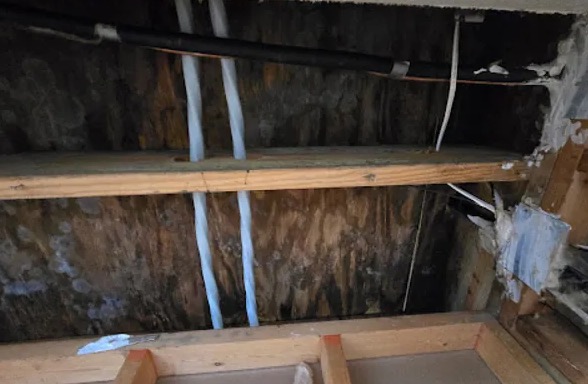
Emergency Attic Water Extraction for Coopers Homes
Attic water is hard to reach. Joists are narrow, headroom is low and the ceiling drywall cannot hold a person's weight. In Coopers, extraction in an attic takes boards, lighting and careful footing.
Homes in Coopers and nearby Gordon, Milledgeville and Haddock have attics that hold insulation, ductwork and often an AC unit or water heater. The pros remove water from roof leaks and equipment failures and dry the framing.
The Attic Water Extraction Process for Properties in Coopers
Attic Mold Prevention
Drying the attic quickly is the main way to limit mold on wood. Treatment is added for areas that were wet for days.
Ceiling Water Damage Cleanup
Ceiling cleanup covers the room below: fallen drywall, wet insulation and debris are cleared, and the floor is protected.
Emergency Attic Water Extraction
When rain or a burst attic pipe floods the attic floor, water is vacuumed off the decking and drywall tops before it soaks through to the rooms below.
Roof Leak Water Removal
Rain that entered through damaged shingles, flashing or vents is extracted, and the leak point is photographed so the roofer can find it.
Wet Attic Insulation Removal
Blown-in insulation that got wet is vacuumed out of the affected bays, and fiberglass batts are pulled and bagged.
Symptoms Requiring Attic Water Extraction in Coopers, GA
Sagging or Bulging Ceilings
A ceiling that bulges or droops is holding water and can fall. Keep people out of the room below.
Water Dripping From Light Fixtures
Water dripping from a ceiling light or fan is a sign of an active leak above. Turn off that circuit.
Visible Mold in Attic
Dark spots on rafters or decking mean the wood has stayed damp for some time.
Peeling Paint or Wallpaper
Paint that bubbles or peels on upstairs ceilings often has water behind it.
How Attic Water Extraction Works in Coopers
Step 1: Safety Assessment and Water Containment
Wet fixtures are shut off, the room below is protected and buckets catch active drips.
Step 2: Bulk Water Extraction
Wet vacs and pumps remove standing water from between joists and on top of the drywall.
Step 3: Targeted Drying of Affected Materials
Airflow is aimed at the wettest wood and drywall, and equipment is moved as areas dry.
Step 4: Documentation for Restoration
Photos, readings and a list of removed materials are prepared for insurance and repairs.
Typical Origins of Attic Flooding in Coopers, GA
Bathroom Exhaust Fan Vent Leaks
Bathroom fans vented into the attic, or with loose ducts, release moisture onto the wood.
Roof Leaks From Storm Damage
Wind and hail can lift or break shingles, letting rain reach the decking and the attic floor.
Condensation From Poor Ventilation
Warm, moist air from the house condenses on roof decking when the attic lacks ventilation.
Aging or Deteriorated Roofing Materials
Old, curled or cracked shingles and worn underlayment let water through during heavy rain.
Residential & Commercial Attic Water Extraction in Coopers
Residential Attic Water Extraction
At home, attic water usually ends up on a bedroom or hallway ceiling. Water is extracted from above, wet insulation removed and the ceiling below dried or replaced.
Commercial Attic Water Extraction
In commercial buildings, water above a drop ceiling soaks tiles and insulation across several rooms. Wet tiles come down and the space above them is extracted and dried.
The Risks of DIY Attic Water Extraction in Coopers
A bucket under the drip and a tarp over furniture are good first steps. Call local water removal experts if water is pooling in the attic, the ceiling is stained or sagging, or insulation is soaked.
What Influences Attic Water Extraction Cost in Coopers
Storm calls, tight attic access, insulation replacement and ceiling repair all add to the total for attic water extraction in Coopers.
Size of the Affected Area
A leak that spread across the whole attic costs more than one confined to a single bay.
Extent of Water Damage
More water and a larger wet area mean more extraction time and more drying equipment.
Emergency Service Timing
Night, weekend and storm calls can cost more than a scheduled visit.
Does Insurance Cover Attic Water Extraction?
Coverage for attic water extraction depends on the cause of the leak and your policy. The pros record the damage and drying, and your insurer decides the rest.
Why Choose Local Pros for Attic Water Extraction in Coopers
Ceiling Damage Mitigation
Sagging ceilings are drained and removed safely before they can fall into the room.
Advanced Moisture Detection
Moisture meters and thermal cameras find wet insulation and wood that look dry.
Industry Extraction Standards
Extraction and drying follow industry water damage standards, with readings at every visit.
Urgent Attic Water Extraction Available in Coopers
Water coming through the ceiling in Coopers? Move belongings, put a bucket under the drip and call (478) 779-1453. Attic extraction is available 24/7.
Call Now (478) 779-1453Local Attic Water Extraction Areas Including Coopers
Each place listed below has its own page with local details.
FAQ on Attic Water Extraction in Coopers
Can I remove attic water myself?
Small drips onto plastic can be handled, but pooled water and soaked insulation need safe footing, equipment and drying.
What happens during ceiling water damage cleanup?
Water in the ceiling is drained, sagging drywall is removed, debris is cleared and the cavity is dried before repairs.
What should I do while waiting for water damage help?
Catch drips with a bucket, move belongings, keep away from sagging ceilings and turn off power to wet fixtures.
How long does the attic drying process take?
Often several days, depending on how wet the wood is, the attic temperature and how much insulation was removed.
What is involved in professional attic water extraction?
Catching drips, vacuuming pooled water from decking and drywall tops, removing soaked insulation and drying the framing and ceiling below.