Talbotton, GA · Talbot County
Attic Water Damage Restoration in Talbotton, GAWet Attic Insulation Removal & Attic Mold Prevention
Attic Water Damage Restoration in Talbotton runs from roof leak water removal and attic leak water cleanup to attic drying services.
Answered 24/7
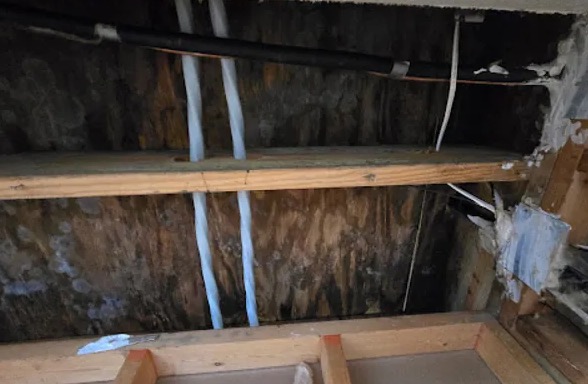
Professional Attic Water Damage Restoration in Talbotton, GA
Most attic water damage starts at the roof, but it ends up on the ceiling. In Talbotton, a leak around flashing, a vent or damaged shingles can soak insulation and decking for weeks before a stain shows up in the room below.
In Talbotton, Geneva, Junction City and Manchester, many attics hold air handlers and water heaters as well as insulation. The pros handle water from any of them, along with roof leaks.
Detailed Attic Water Damage Restoration Solutions
Wet Attic Insulation Removal
Insulation that stayed wet for days is removed rather than dried, since it rarely recovers and keeps the ceiling drywall damp.
Attic Mold Prevention
Poor ventilation keeps attics damp. Blocked soffit vents or a disconnected bath fan duct are pointed out so moisture does not return.
Emergency Attic Water Extraction
Water in the attic quickly becomes a ceiling problem. Fast extraction keeps the ceiling drywall below from sagging and falling.
Roof Leak Water Removal
Rain that came through damaged shingles, flashing or vents is removed from the attic, and the leak location is marked for the roofer.
Attic Moisture Inspection
Moisture meters and thermal cameras check decking, rafters, insulation and the ceiling below to find every wet area.
Indicators for Emergency Attic Water Removal
Wet or Sagging Insulation
Insulation that looks matted, dark or compressed, or sags between joists, has absorbed water.
Increased Humidity Upstairs
Upstairs rooms that feel clammy even with the AC on may have moisture coming from the attic.
Rust on Nails or Vents
Rusted nail tips, vent flanges or metal straps in the attic point to repeated moisture.
Peeling Paint or Wallpaper
Paint that bubbles or peels on upstairs ceilings and walls often has water behind it.
How Attic Water Damage Restoration Works in Talbotton
Step 1: First Call and Inspection
The pros check the attic and ceiling, take photos and note where the water entered the attic.
Step 2: Bulk Water and Debris Removal
Standing water, wet insulation and fallen drywall are removed from the attic and room below.
Step 3: Drying and Monitoring
Readings are taken daily, and equipment is adjusted until every wet material is dry.
Step 4: Detailed Reporting for Insurance
A summary of the damage, the materials removed and the drying results is prepared for your claim.
What Causes Attic Water Damage in Talbotton?
Overflow From Bathroom Exhaust Fans
Bathroom fans that vent into the attic, or have disconnected ducts, release moisture onto the decking.
Clogged or Damaged Gutters
Clogged gutters overflow at the roof edge, pushing water under shingles and into the soffits.
Improperly Sealed Roof Penetrations
Gaps around vents, pipes and antennas that pass through the roof let water in when seals fail.
Attic Appliance Leaks
AC air handlers in the attic overflow when the condensate line clogs or the pan cracks.
Home and Business Attic Water Damage Restoration Services
Residential Attic Water Damage Restoration
In two-story homes, an attic leak can affect both upstairs ceilings and the walls below them. Each wet area is checked with a meter and dried.
Commercial Attic Water Damage Restoration
Flat-roof commercial buildings often have leaks that travel before dripping. The pros trace the water path to find every wet section above the ceiling.
Why DIY Attic Water Damage Restoration Often Fails in Talbotton
You can check the attic with a flashlight for wet insulation and dripping water if it is safe to do so. Removing soaked insulation and drying the framing takes equipment, protection and safe footing.
Understanding Attic Water Damage Restoration Pricing
Roof repair is a separate cost from water removal and drying. In Talbotton, both are usually needed after a roof leak.
Mold Prevention Measures
Antimicrobial treatment of decking and rafters that stayed wet is an added cost.
Affected Attic Materials
Wet insulation, decking and ceiling drywall that must be removed add labor and disposal costs.
Ceiling Repair Needs
Replacing, taping and painting ceiling drywall after drying adds to the total.
Does Insurance Cover Attic Water Damage Restoration?
Coverage for attic water damage restoration depends on the cause of the leak and your policy terms. The pros document the damage and drying, and your insurer decides what is covered.
Selecting Local Pros for Attic Water Damage Restoration in Talbotton, GA
Mold Prevention Focus
Fast drying of wood framing is the main way to limit microbial growth after a leak.
Industry Drying Standards
Drying follows industry water damage standards, with readings taken at each visit.
Full Attic Assessment
The whole attic is checked, from the roof deck to the ceiling below, not just the leak spot.
Round-the-Clock Attic Water Damage Restoration in Talbotton
Water dripping from your ceiling in Talbotton? Put a bucket under it, move belongings and call (478) 779-1453. Help for attic leaks is available 24/7.
Call Now (478) 779-1453Local Attic Water Damage Restoration Coverage Area
The places below are also served, and each one has its own page.
- Attic Water Damage Restoration in Geneva
- Attic Water Damage Restoration in Junction City
- Attic Water Damage Restoration in Manchester
- Attic Water Damage Restoration in Thomaston
- Attic Water Damage Restoration in Butler
- Attic Water Damage Restoration in Woodbury
- Attic Water Damage Restoration in Molena
- Attic Water Damage Restoration in Reynolds
- Emergency Damage Restoration in 31827
- Storm Damage Restoration in 31827
- Water Damage Restoration in 31827
- Water Extraction Service in 31827
- Water Leak Detection in 31827
- Water Removal Service in 31827
Frequently Asked Attic Water Damage Restoration Questions
Can wet attic insulation be saved after a leak?
Lightly damp insulation sometimes dries, but soaked or matted insulation is usually removed and replaced after the attic is dry.
What is structural drying for an attic?
Drying the rafters, joists and roof decking with directed airflow and dehumidifiers until moisture readings return to normal.
What equipment is used for attic water removal?
Wet vacs, air movers, dehumidifiers, moisture meters and thermal cameras, plus bags and HEPA vacuums for insulation removal.
What are common signs of poor attic ventilation?
Damp or dark roof decking, rusted nails, musty smells and condensation on the underside of the roof.
Does a roof leak always cause attic mold growth?
No. Mold is more likely when wood and insulation stay wet for days, so drying is the main way to prevent it.