Riddleville, GA · Washington County
Attic Water Damage Restoration in Riddleville, GAAttic Moisture Inspection & Attic Leak Water Cleanup
Attic Water Damage Restoration in Riddleville runs from roof leak water removal and attic leak water cleanup to attic drying services.
Answered 24/7
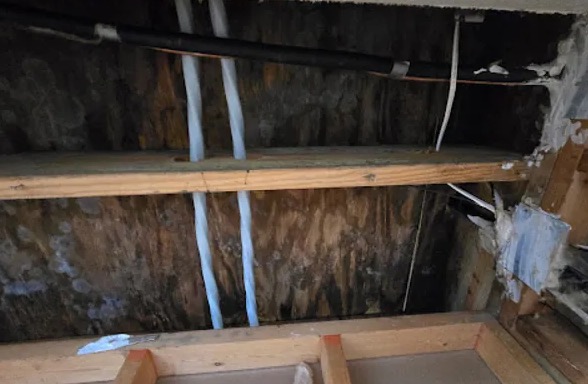
Attic Water Damage Restoration Solutions in Riddleville
Attics hide water well. Insulation absorbs it, wood soaks it up, and nobody goes up there often. In Riddleville, the first sign is usually a ceiling stain, a musty smell upstairs or a drip during heavy rain.
In Riddleville, Harrison, Tennille and Sandersville, many attics hold air handlers and water heaters as well as insulation. The pros handle water from any of them, along with roof leaks.
Detailed Attic Water Damage Restoration Solutions
Attic Moisture Inspection
Moisture meters and thermal cameras check decking, rafters, insulation and the ceiling below to find every wet area.
Attic Leak Water Cleanup
After a leak, the attic is checked from the roof deck down to the ceiling below, and all standing water and soaked debris are taken out.
Attic Drying Services
Equipment is placed on boards or platforms in the attic so it can run safely without stressing the ceiling drywall.
Roof Leak Water Removal
A tarp can be placed over the damaged roof section to stop more rain from getting in while drying begins below.
Attic Mold Prevention
Drying wet wood quickly is the main way to limit microbial growth in an attic. Decking and rafters that stayed damp can be treated once dry.
When to Call for Attic Water Damage Restoration in Riddleville
Wet or Sagging Insulation
Insulation that looks matted, dark or compressed, or sags between joists, has absorbed water.
Musty Odors in Home
A musty or damp smell on the upper floor can point to wet insulation or wood in the attic.
High Energy Bills
Wet insulation loses its insulating value, so heating and cooling bills can rise after a leak.
Visible Mold in Attic
Dark spots on roof decking or rafters mean the wood has stayed damp for some time.
How Attic Water Damage Restoration Works in Riddleville
Step 1: Emergency Attic Water Extraction
Active drips are caught, pooled water is removed from decking and drywall tops, and power to wet fixtures is checked.
Step 2: Attic Moisture Inspection and Mapping
Meters and thermal cameras map wet insulation, wood and ceiling drywall from the leak point outward.
Step 3: Structural Drying and Dehumidification
Air movers and dehumidifiers dry rafters, joists and decking, with equipment set on safe footing.
Step 4: Final Verification and Documentation
Readings confirm the attic and ceiling are dry, and photos and logs are provided for insurance.
Typical Sources of Attic Moisture Issues
Condensation From Poor Ventilation
Warm, moist air from the house condenses on cold roof decking when the attic is poorly vented.
Failing Roof Valley or Flashing
Worn flashing around valleys, chimneys and skylights lets water run into the attic.
Improperly Sealed Roof Penetrations
Gaps around vents, pipes and antennas that pass through the roof let water in when seals fail.
Roof Leaks and Damaged Shingles
Missing, cracked or lifted shingles let rain reach the roof deck and drip into the attic.
Attic Water Damage Restoration for Homes and Businesses in Riddleville, GA
Residential Attic Water Damage Restoration
Homeowners often store boxes and holiday items in the attic. Wet belongings are moved out and dried or discarded before work on the insulation and framing starts.
Commercial Attic Water Damage Restoration
Offices and stores with roof leaks need the area below protected during work. Drying is planned around business hours where possible to keep the space open.
Handling Attic Water Damage: DIY Risks vs. Pro Help
Never step between attic joists, since the ceiling drywall will not hold your weight. If water is pooling up there, call (478) 779-1453 instead of trying to reach it yourself.
Factors Affecting Attic Water Damage Restoration Cost in Riddleville
The cost of attic water damage restoration in Riddleville depends on how much of the attic got wet, whether insulation and ceiling drywall must come out, and how long drying takes.
Mold Prevention Measures
Antimicrobial treatment of decking and rafters that stayed wet is an added cost.
Affected Attic Materials
Wet insulation, decking and ceiling drywall that must be removed add labor and disposal costs.
Ceiling Repair Needs
Replacing, taping and painting ceiling drywall after drying adds to the total.
Does Insurance Cover Attic Water Damage Restoration?
Many homeowner policies cover sudden roof leaks from storms and burst attic pipes, but not damage from worn-out roofing or slow leaks. Read your policy and call your insurer early.
The Value of Local Attic Water Damage Restoration Experts
Advanced Moisture Detection
Moisture meters and thermal cameras find wet insulation, wood and drywall that look dry.
Industry Drying Standards
Drying follows industry water damage standards, with readings taken at each visit.
24/7 Emergency Response
Help is available day or night when rain or a burst pipe is pouring water into the attic.
24/7 Emergency Attic Water Damage Restoration in Riddleville
Every day insulation stays wet, more ceiling and decking are at risk. Call (478) 779-1453 for attic water damage restoration in Riddleville as soon as you see a stain.
Call Now (478) 779-1453Local Attic Water Damage Restoration Coverage Area
Other places served are listed below, each with its own page.
- Attic Water Damage Restoration in Harrison
- Attic Water Damage Restoration in Tennille
- Attic Water Damage Restoration in Sandersville
- Attic Water Damage Restoration in Oconee
- Attic Water Damage Restoration in Deepstep
- Attic Water Damage Restoration in Concord
- Attic Water Damage Restoration in Manchester
- Attic Water Damage Restoration in Molena
Attic Water Damage Restoration FAQs
Does a roof leak always cause attic mold growth?
No. Mold is more likely when wood and insulation stay wet for days, so drying is the main way to prevent it.
What is structural drying for an attic?
Drying the rafters, joists and roof decking with directed airflow and dehumidifiers until moisture readings return to normal.
What is involved in emergency attic water extraction?
Catching active drips, removing pooled water from decking and drywall tops, and starting drying before the ceiling below is ruined.
What happens during attic leak water cleanup?
Pooled water is removed, wet insulation is bagged and taken out, and the framing and decking are dried with air movers and dehumidifiers.
What equipment is used for attic water removal?
Wet vacs, air movers, dehumidifiers, moisture meters and thermal cameras, plus bags and HEPA vacuums for insulation removal.