Greensboro, GA · Greene County
Attic Water Damage Restoration in Greensboro, GAAttic Mold Prevention & Ceiling Water Damage Cleanup
Attic Water Damage Restoration in Greensboro runs from roof leak water removal and attic leak water cleanup to attic drying services.
Answered 24/7
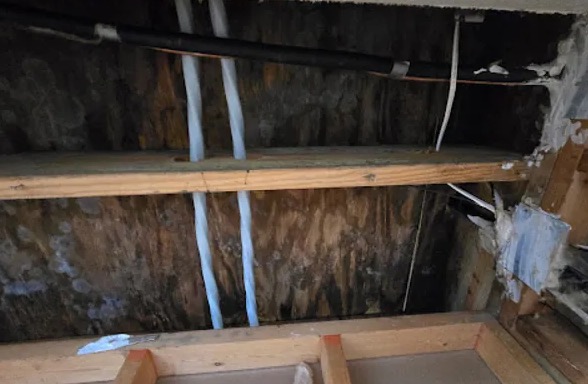
Local Attic Water Damage Restoration for Greensboro Homes
Wet attic insulation is heavy and holds water against the ceiling drywall. In Greensboro homes, that weight and moisture can make a ceiling sag and eventually fall if the insulation is not removed.
Homeowners in Greensboro can call (478) 779-1453 day or night when water is dripping from the ceiling. Service also covers Eatonton, with the same attic inspection and drying process.
Available Attic Water Damage Restoration Work in Greensboro
Attic Mold Prevention
Drying wet wood quickly is the main way to limit microbial growth in an attic. Decking and rafters that stayed damp can be treated once dry.
Ceiling Water Damage Cleanup
A ceiling stained or soaked from an attic leak is drained safely, and sagging drywall is cut out before it falls into the room.
Roof Leak Water Removal
A tarp can be placed over the damaged roof section to stop more rain from getting in while drying begins below.
Emergency Attic Water Extraction
Emergency extraction in an attic removes standing water from decking and drywall tops, and buckets or containment catch active drips.
Attic Moisture Inspection
Readings are recorded before and during drying, giving you and your insurer a clear record of the attic damage.
When to Call for Attic Water Damage Restoration in Greensboro
Active Leak During Rain
Water dripping into the attic during rain shows an active roof leak that needs fixing and drying.
Visible Mold in Attic
Dark spots on roof decking or rafters mean the wood has stayed damp for some time.
Increased Humidity Upstairs
Upstairs rooms that feel clammy even with the AC on may have moisture coming from the attic.
Musty Odors in Home
A musty or damp smell on the upper floor can point to wet insulation or wood in the attic.
How Attic Water Damage Restoration Works in Greensboro
Step 1: Emergency Attic Water Extraction
Active drips are caught, pooled water is removed from decking and drywall tops, and power to wet fixtures is checked.
Step 2: Attic Moisture Inspection and Mapping
Meters and thermal cameras map wet insulation, wood and ceiling drywall from the leak point outward.
Step 3: Structural Drying and Dehumidification
Air movers and dehumidifiers dry rafters, joists and decking, with equipment set on safe footing.
Step 4: Final Verification and Documentation
Readings confirm the attic and ceiling are dry, and photos and logs are provided for insurance.
Frequent Origins of Attic Flooding
Clogged or Damaged Gutters
Clogged gutters overflow at the roof edge, pushing water under shingles and into the soffits.
Improperly Sealed Roof Penetrations
Gaps around vents, pipes and antennas that pass through the roof let water in when seals fail.
Burst or Leaking Plumbing Pipes
Supply lines and water heaters in the attic can leak or burst directly onto the ceiling.
Attic Appliance Leaks
AC air handlers in the attic overflow when the condensate line clogs or the pan cracks.
Home and Business Attic Water Damage Restoration Services
Residential Attic Water Damage Restoration
Homeowners often store boxes and holiday items in the attic. Wet belongings are moved out and dried or discarded before work on the insulation and framing starts.
Commercial Attic Water Damage Restoration
Offices and stores with roof leaks need the area below protected during work. Drying is planned around business hours where possible to keep the space open.
Why DIY Attic Water Damage Restoration Often Fails in Greensboro
Putting a bucket under a drip and moving belongings is a good first step. Call local attic drying pros if the ceiling is stained, sagging or wet, or if the attic insulation is soaked.
What Influences Attic Water Damage Restoration Expenses?
In Greensboro, insulation removal and ceiling repair often make up a large share of the bill, along with drying equipment days in the attic.
Ceiling Repair Needs
Replacing, taping and painting ceiling drywall after drying adds to the total.
Required Drying Time
Dense wood framing can take several days to dry, adding equipment time.
Type of Water Involved
Clean rainwater is simpler to handle than water from a drain or a contaminated source.
Does Insurance Cover Attic Water Damage Restoration?
Coverage for attic water damage restoration depends on the cause of the leak and your policy terms. The pros document the damage and drying, and your insurer decides what is covered.
The Value of Local Attic Water Damage Restoration Experts
Detailed Documentation
Photos, readings and drying logs are kept to support your insurance claim.
Roof Leak Location
The leak point is marked and photographed so the roofer can fix the right spot.
Mold Prevention Focus
Fast drying of wood framing is the main way to limit microbial growth after a leak.
Emergency Attic Water Removal Available Now
Water dripping from your ceiling in Greensboro? Put a bucket under it, move belongings and call (478) 779-1453. Help for attic leaks is available 24/7.
Call Now (478) 779-1453Local Attic Water Damage Restoration Coverage Area
Other places served are listed below, each with its own page.
- Attic Water Damage Restoration in Eatonton
- Attic Water Damage Restoration in Milledgeville
- Attic Water Damage Restoration in Monticello
- Attic Water Damage Restoration in Haddock
- Attic Water Damage Restoration in Hillsboro
- Attic Water Damage Restoration in Gray
- Attic Water Damage Restoration in Sandersville
- Attic Water Damage Restoration in Gordon
- Emergency Damage Restoration in 30642
- Storm Damage Restoration in 30642
- Water Damage Restoration in 30642
- Water Extraction Service in 30642
- Water Leak Detection in 30642
- Water Removal Service in 30642
Attic Water Damage Restoration FAQs
What are common signs of poor attic ventilation?
Damp or dark roof decking, rusted nails, musty smells and condensation on the underside of the roof.
Why is an attic moisture inspection important after a leak?
Water spreads along rafters and insulation away from the drip point. Meters find all of it, so nothing is left wet.
What is involved in emergency attic water extraction?
Catching active drips, removing pooled water from decking and drywall tops, and starting drying before the ceiling below is ruined.
How do I know the attic is completely dry?
Moisture readings on decking, rafters and the ceiling are compared to unaffected dry areas until they match.
What equipment is used for attic water removal?
Wet vacs, air movers, dehumidifiers, moisture meters and thermal cameras, plus bags and HEPA vacuums for insulation removal.