Dry Branch, GA · Bibb County
After Hours Water Removal in Dry Branch, GAWet Drywall Water Damage Cleanup & Emergency Structural Drying Services
After Hours Water Removal in Dry Branch runs from emergency water extraction and sewage backup water extraction to ceiling leak water removal.
Answered 24/7
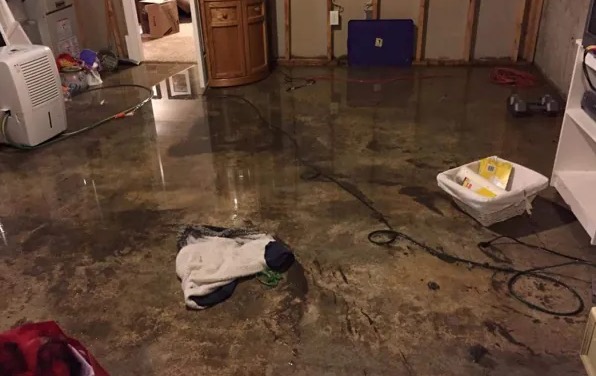
Professional After Hours Water Removal in Dry Branch, GA
Pipes, water heaters and washing machines do not fail on a schedule. When water starts spreading at night or over a weekend in Dry Branch, waiting until Monday lets it soak into flooring, drywall and framing.
Property owners in Dry Branch can call (478) 779-1453 at any hour when water starts spreading. Service also covers Franklinton, Griswoldville and Huber, with the same extraction, drying and documentation process used during the day.
Key After Hours Water Removal Services in Dry Branch
Wet Drywall Water Damage Cleanup
Drywall that wicked water up from a flooded floor is cut back to sound material, and the cavity is dried before any patching.
Emergency Structural Drying Services
Structural drying targets the materials water soaked into, not just the room air. Wall cavities and subfloors get directed airflow.
Sewage Backup Water Extraction
Porous items touched by sewage, such as carpet, pad and drywall, are usually removed. Hard surfaces are cleaned and sanitized after extraction.
Basement Flood Water Removal
Basement flooding often reaches furnaces, water heaters and stored boxes. Water is removed first, then wet contents are moved or discarded.
Flooded Carpet Water Removal
Wet carpet is lifted at the edges so air can reach the pad and subfloor. Pad that soaked up dirty water is pulled out and discarded.
Signs You Need After Hours Water Damage Services in Dry Branch
Soggy or Buckling Flooring
Floors that feel soft, buckle or lift at the seams have absorbed water from a leak above or below.
Swollen Wood or Cabinets
Cabinet bases and wood trim that swell or separate have been soaking up water for some time.
Rust on Metal Fixtures
Rust on pipes, valves or appliance fittings is often a sign of a slow, ongoing leak nearby.
Persistent Musty Odors
A musty smell that does not go away often means hidden moisture under flooring or inside walls.
How After Hours Water Removal Works in Dry Branch
Step 1: Emergency Water Damage Report
The water source, the type of water and the affected rooms are checked and recorded before work starts.
Step 2: Bulk Water and Sewage Extraction
Clean or contaminated water is extracted with the right tools, and contaminated materials are removed safely.
Step 3: Targeted Drying of Building Materials
Wet drywall, subfloor and framing get directed airflow, with holes or removed baseboards where needed.
Step 4: Final Inspection and Documentation
Final readings confirm the structure is dry, and the drying records are handed over for insurance.
Common Causes of Water Damage in Dry Branch
Faulty or Overflowing Fixtures
Toilets, tubs and sinks overflow when drains clog or a fill valve sticks open.
Burst or Leaking Pipes
Pipes that crack from age, pressure or cold weather can release a lot of water in a short time.
Sewer or Drain Backups
A blocked sewer line can push dirty water up through floor drains, tubs and toilets.
Appliance Malfunctions
Washer hoses, dishwasher lines, refrigerator lines and water heaters fail without warning, often while no one is home.
After Hours Water Extraction for Residences and Companies in Dry Branch
Residential After Hours Water Removal
At home, an after-hours leak usually means a wet kitchen, laundry room or bathroom spreading into hallways. Water is extracted first, then floors, cabinets and walls are dried.
Commercial After Hours Water Removal
For businesses, a leak found when the building opens may have run all night. Extraction and drying can start before the workday begins, so the space reopens sooner.
After Hours Water Removal vs. DIY: When to Call the Pros
Sewage and water that has been sitting for days should not be cleaned up without protective gear. Call local flood response experts for any backup from a toilet, tub or floor drain.
Cost Considerations for After Hours Water Damage Services in Dry Branch
Drying equipment is usually billed by the day. Starting extraction quickly in Dry Branch shortens drying time, which lowers the equipment cost.
Affected Area Size
The more rooms and square feet the water reached, the more extraction and drying equipment the job needs.
Required Equipment
The number of air movers, dehumidifiers and extractors needed, and for how many days, drives much of the cost.
Access Complexity
Water in crawl spaces, ceilings or behind cabinets takes more work to reach and dry.
Does Insurance Cover After Hours Water Removal?
Take photos before cleanup starts and keep receipts for any emergency work, such as extraction done on a weekend. Both help when you file a water damage claim.
Benefits of Local After Hours Water Removal Pros in Dry Branch
Damage Documentation
Photos, moisture maps and drying logs are kept to support an insurance claim.
Focus on Mold Prevention
Drying wet materials quickly is the main way to limit microbial growth after a leak.
Targeted Drying for Materials
Equipment is placed to dry the specific materials that got wet, not just the room air.
24/7 Emergency Water Extraction Services in Dry Branch
A burst pipe, an overflowing toilet or a failed water heater in Dry Branch needs fast action. Call (478) 779-1453 for after hours water removal as soon as you find the water.
Call Now (478) 779-1453After Hours Water Removal Near Dry Branch: Areas Served
Nearby areas served for after hours water removal include Franklinton, Griswoldville and Huber, with the same extraction and drying process used in Dry Branch.
- After Hours Water Removal in Franklinton
- After Hours Water Removal in Griswoldville
- After Hours Water Removal in Huber
- After Hours Water Removal in Macon
- After Hours Water Removal in Rutland
- After Hours Water Removal in Jeffersonville
- After Hours Water Removal in Avondale
- After Hours Water Removal in Sofkee
- Emergency Damage Restoration in 31020
- Storm Damage Restoration in 31020
- Water Damage Restoration in 31020
- Water Extraction Service in 31020
- Water Leak Detection in 31020
- Water Removal Service in 31020
Frequently Asked Questions About After Hours Water Removal
What is the process for appliance leak water cleanup?
The supply is shut off, water is extracted from the floor and under cabinets, and the area is dried with air movers and dehumidifiers.
What are emergency structural drying services?
Air movers and dehumidifiers are placed to dry walls, floors and framing, with daily readings until each material is back to normal.
What equipment is used for 24/7 water removal?
Extractors, submersible pumps, air movers, dehumidifiers, moisture meters and sometimes thermal cameras to find hidden water.
What are the steps for ceiling leak water removal?
The leak source is stopped, sagging drywall is drained and removed safely, wet insulation is pulled out, and the ceiling cavity is dried.
Is sewage backup water extraction dangerous?
Sewage carries bacteria and other contaminants. It should be extracted with protective gear, and porous materials it touched are usually removed.