Allentown, GA · Wilkinson County
AC Unit Water Removal in Allentown, GAWet AC Unit Component Drying & Air Conditioner Restoration Services
AC Unit Water Removal in Allentown runs from emergency AC water removal and AC leak water cleanup to air conditioner restoration services.
Answered 24/7
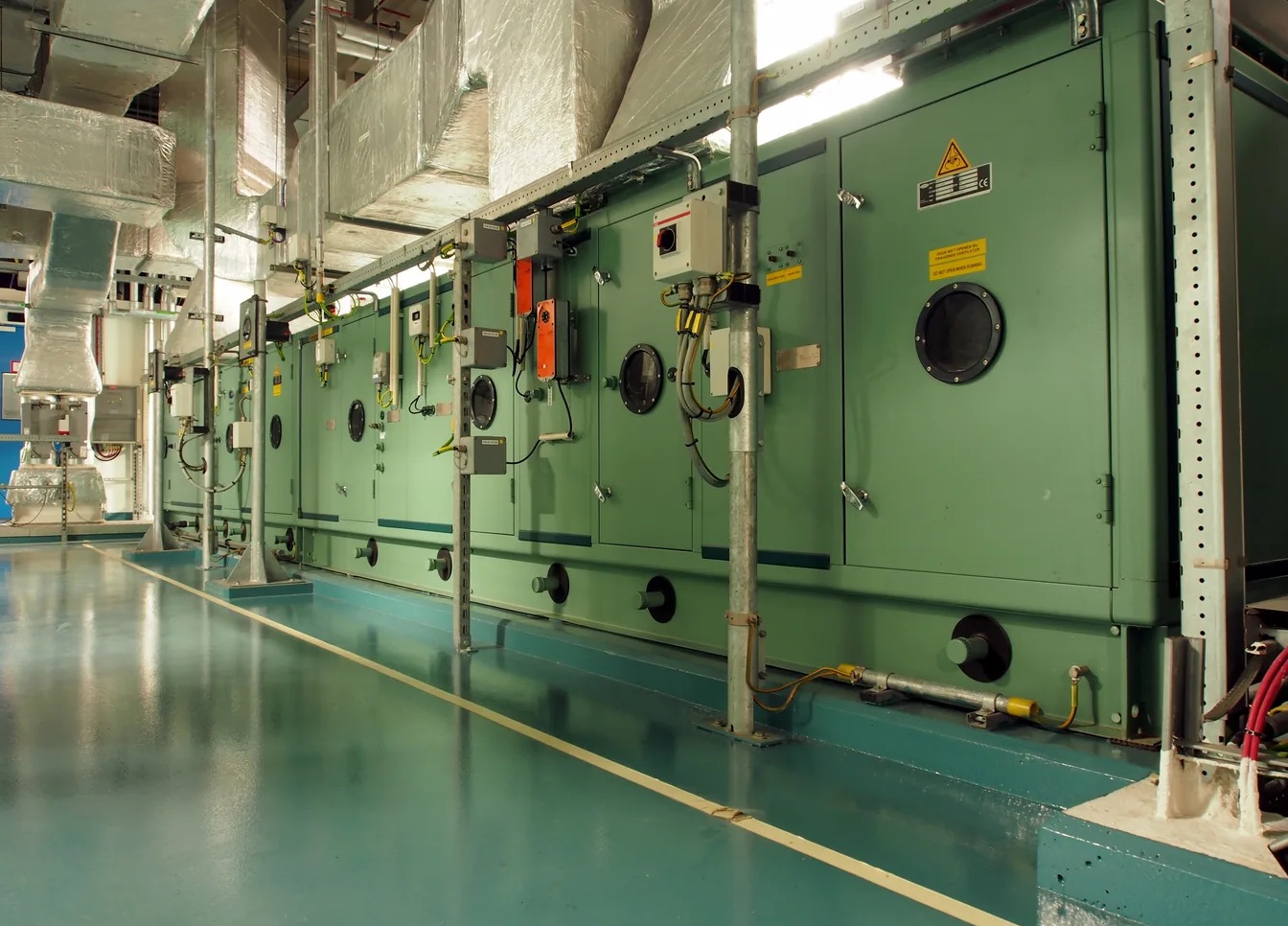
Expert AC Unit Water Removal for Allentown Homes
Attic air handlers in Allentown leak straight into the ceiling below. A sagging or stained ceiling under the unit means water is already in the drywall and possibly the insulation above it.
A leaking AC in Allentown rarely fixes itself, and the water keeps soaking the same drywall and subfloor until the drain is cleared. Local AC unit water removal pros serve Allentown and nearby Danville, Montrose and Jeffersonville, with help available around the clock for leaks of any size.
The AC Unit Water Removal Process in Allentown, GA
Wet AC Unit Component Drying
Air movers and a dehumidifier are set around the unit, and moisture readings are taken until the metal and insulation test dry.
Air Conditioner Restoration Services
Work finishes with cleanup and a check that the unit drains properly, so the leak does not return.
AC Drain Pan Water Extraction
Water sitting in a full or cracked drain pan is removed before it spills over into the ceiling or walls below.
AC Leak Mold Prevention
Once materials are dry, an EPA-registered antimicrobial can be applied to wet wood and drywall near the unit to slow microbial growth.
AC Leak Water Cleanup
Cleanup starts at the drain pan and works outward, removing pooled water and wet debris so drying can begin.
Warning Signs You Need AC Unit Water Removal
Water Stains on Walls
Brown rings or peeling paint on the ceiling under an attic unit, or on walls near the closet, point to a slow leak.
Water on the Floor
A puddle around the air handler or furnace closet is the most direct sign of a leak.
Condensation Line Dripping
A condensate line that drips inside instead of outside has a crack, loose fitting or clog.
Visible Mold Near AC
Dark spots on drywall or framing near the unit mean the area has stayed wet for days.
How AC Unit Water Removal Works in Allentown
Step 1: Leak Assessment
The pros find the source of the leak, check how far the water spread and take moisture readings.
Step 2: Source Stop and Water Removal
The drain is cleared or the leaking part isolated, then standing water is extracted from every wet area.
Step 3: System Drying and Dehumidification
Drying equipment runs until walls, floors and insulation test dry, with readings taken at each visit.
Step 4: Verification and Restoration
Final readings confirm the materials are dry, then damaged drywall, trim or ceiling panels can be replaced.
Why AC Units Leak and Need Water Removal
Improper AC Unit Installation
A unit that is not level, or a drain line without enough slope, lets water pool instead of draining.
Frozen Evaporator Coils Thawing
A coil that freezes from low airflow sheds a large amount of water at once when it thaws.
Excess Outdoor Humidity
Very humid air makes the coil produce more water than a partly clogged drain can carry.
High Static Pressure in Ducts
Restricted ducts can pull water off the coil and blow it into the cabinet or ductwork.
Both Residential & Commercial AC Unit Water Removal in Allentown
Residential AC Unit Water Removal
For homeowners, the main risk is water soaking into insulation and drywall where no one sees it. Moisture meters find that hidden water so it can be dried before it causes rot.
Commercial AC Unit Water Removal
For property managers, one leaking unit can affect several suites or the floor below. Each wet area is extracted, dried and documented for the owner and insurer.
Why DIY AC Water Removal Often Fails in Allentown
DIY works for a small puddle on tile that you catch right away and wipe dry. Wet carpet and pad, or drywall that feels soft, usually need professional extraction and drying equipment to dry fully.
What Affects AC Unit Water Removal Expense in Allentown
Drying equipment is usually billed by the day, so how long materials stay wet matters. Starting quickly in Allentown shortens drying time and lowers the total.
Affected Component Count
The more of the system that got wet, such as the blower, panels and insulation, the more drying time is needed.
Required Drying Time
Dense materials and enclosed spaces take longer to dry, which means more equipment days.
Emergency Service Timing
After-hours and holiday response can cost more than a scheduled weekday visit.
Does Insurance Cover AC Unit Water Removal?
Insurers often ask whether the leak was sudden or ongoing. A record of when the water was found, what it reached and how it was dried helps answer that question.
Benefits of Local Pros for AC Unit Water Removal in Allentown
Leak Source Identification
The pros trace the leak to its source, whether that is a clog, a cracked pan or a failed pump.
Drain Pan Extraction
Both the main pan and the safety pan are emptied and checked for damage.
Systematic Drain Line Clearing
The condensate line is cleared, not just the water mopped up, so the leak does not come right back.
Emergency AC Unit Water Removal Available 24/7 in Allentown
Water from an air handler spreads fast through drywall and carpet. Call (478) 779-1453 for emergency AC unit water removal in Allentown at any time of the day or night.
Call Now (478) 779-1453AC Unit Water Removal Service Area Including Allentown
Help with AC unit water removal reaches Danville, Montrose and Jeffersonville, plus other communities around Allentown, for houses, apartments and commercial buildings with leaking AC units.
- AC Unit Water Removal in Danville
- AC Unit Water Removal in Montrose
- AC Unit Water Removal in Jeffersonville
- AC Unit Water Removal in Dudley
- AC Unit Water Removal in Chester
- AC Unit Water Removal in Irwinton
- AC Unit Water Removal in Dexter
- AC Unit Water Removal in Cochran
- Emergency Damage Restoration in 31003
- Storm Damage Restoration in 31003
- Water Damage Restoration in 31003
- Water Extraction Service in 31003
- Water Leak Detection in 31003
- Water Removal Service in 31003
Common AC Unit Water Removal Questions Answered
What does emergency AC water removal include?
Shutting off the unit, extracting standing water, clearing the drain and starting drying equipment, at any hour.
What equipment is used to dry AC leak damage?
Extractors, air movers, dehumidifiers and moisture meters, plus wet vacs or pumps for the drain line.
What are signs I need water removed from around my air conditioner?
Puddles near the unit, ceiling stains, a musty smell, a full drain pan or an AC that shuts off on its own.
What is involved in AC unit water removal?
Standing water is extracted, the condensate line is cleared, and wet materials are dried with air movers and dehumidifiers until moisture readings are normal.
Why does the drain pan need to be emptied?
A full pan overflows into ceilings and floors. Emptying and inspecting it stops the spill and shows whether the pan is cracked.